Exploring Angola’s Diverse Landscape: Mountains, Beaches, Forests, and Deserts
Angola’s diverse landscape offers a range of activities from hiking to wildlife viewing. Mountains, beaches, forests, and deserts await exploration.
Exploring Angola’s Diverse Landscape: Mountains, Beaches, Forests, and Deserts
Angola is a country located in southwestern Africa, bordered by Namibia to the south, Zambia to the east, and the Atlantic Ocean to the west. The country is known for its diverse landscape, which includes mountains, beaches, forests, and deserts. This diversity makes Angola a perfect destination for travelers who love outdoor activities such as hiking, swimming, and wildlife viewing.
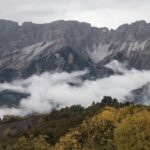
The mountains in Angola are some of the most beautiful in Africa. The highest peak in Angola is Mount Moco, which stands at 2,620 meters above sea level. The mountain is located in the Bicuar National Park, which is home to a variety of wildlife, including elephants, lions, and antelopes. Hiking to the top of Mount Moco is a popular activity for tourists who visit Angola. The climb is challenging, but the views from the top are breathtaking.
Angola’s beaches are also a major attraction for tourists. The country has over 1,600 kilometers of coastline, which is dotted with beautiful beaches. The most popular beach in Angola is the Ilha do Mussulo, which is located near the capital city of Luanda. The beach is known for its crystal-clear waters and white sand. Visitors can enjoy swimming, sunbathing, and water sports such as jet skiing and windsurfing.
Angola’s forests are another natural wonder that attracts tourists. The country has several national parks, which are home to a variety of flora and fauna. The Kissama National Park is one of the most popular parks in Angola. The park is home to elephants, giraffes, zebras, and other wildlife. Visitors can take a safari tour to see the animals up close. The park also has several hiking trails, which offer stunning views of the surrounding landscape.
Angola’s deserts are a unique feature of the country’s landscape. The Namib Desert, which stretches along the coast of Angola, is one of the oldest deserts in the world. The desert is known for its towering sand dunes, which can reach up to 300 meters in height. Visitors can take a guided tour of the desert, which includes a visit to the Skeleton Coast, where the remains of shipwrecks can be seen.
In addition to its natural wonders, Angola also has a rich cultural heritage. The country has several museums and historical sites that offer a glimpse into its past. The National Museum of Slavery, located in Luanda, is one of the most important museums in Angola. The museum tells the story of the country’s history of slavery and the struggle for independence.
Angola’s diverse landscape also influences the type of food that is available in the country. The coastal regions of Angola are known for their seafood dishes, which include grilled fish, prawns, and lobster. Inland regions of the country are known for their meat dishes, which include grilled chicken and beef. The country also has a variety of fruits and vegetables, which are used in traditional dishes such as funge, a type of porridge made from cassava flour.
In conclusion, Angola’s diverse landscape offers a wide range of activities for tourists. From hiking to the top of Mount Moco to swimming in the crystal-clear waters of Ilha do Mussulo, there is something for everyone in Angola. The country’s natural wonders, such as its forests and deserts, offer a unique experience that cannot be found anywhere else in the world. Angola’s rich cultural heritage and delicious cuisine make it a destination that should not be missed.