“Angola Unveiled: Discover Timeless Wonders, Natural Splendors, and Vibrant Culture”
Exploring Angola’s Top Attractions: Historical Sites, National Parks, and Cultural Festivals
Angola, a country located on the southwestern coast of Africa, is a land of diverse landscapes, rich history, and vibrant culture. From its stunning beaches to its lush rainforests, Angola offers a wealth of attractions for travelers seeking adventure and inspiration. In this article, we will explore some of the major tourist attractions in Angola, including historical sites, national parks, museums, festivals, and landmarks.
One of the most iconic historical sites in Angola is the Fortress of São Miguel, located in the capital city of Luanda. Built in 1576 by the Portuguese, the fortress served as a defensive structure and a symbol of colonial power. Today, the fortress houses the Museum of the Armed Forces, which showcases a collection of weapons, uniforms, and other military artifacts from Angola’s history. Visitors can also enjoy panoramic views of the city and the harbor from the fortress’s walls.
Another historical site worth visiting is the Kalandula Falls, one of the largest waterfalls in Africa. Located in the Malanje Province, the falls are a breathtaking sight, with water cascading down a 105-meter drop. The surrounding area is also home to several other natural attractions, such as the Black Stones of Pungo Andongo, a series of massive rock formations that have been shaped by erosion over millions of years.
For those interested in Angola’s rich cultural heritage, the National Museum of Anthropology in Luanda is a must-visit. The museum houses a vast collection of traditional Angolan art, including masks, sculptures, and textiles. Visitors can learn about the various ethnic groups that make up Angola’s diverse population and gain insight into their customs and traditions.
Angola’s national parks are another major draw for tourists, offering a chance to explore the country’s unique flora and fauna. One such park is the Kissama National Park, located just south of Luanda. Covering an area of over 9,000 square kilometers, the park is home to a variety of wildlife, including elephants, giraffes, and antelopes. Visitors can embark on guided safaris to observe these majestic creatures in their natural habitat and learn about the park’s conservation efforts.
Another national park worth exploring is the Iona National Park, situated in the southwestern corner of Angola. As the country’s largest national park, Iona boasts a diverse landscape that includes desert, savannah, and mountainous terrain. The park is home to several endangered species, such as the black rhinoceros and the African wild dog, making it an important site for wildlife conservation.
In addition to its natural beauty, Angola is also known for its vibrant cultural festivals, which showcase the country’s rich traditions and artistic talent. One such event is the Luanda International Jazz Festival, held annually in the capital city. The festival attracts jazz musicians from around the world, offering a diverse lineup of performances that cater to a wide range of musical tastes. Visitors can enjoy the lively atmosphere and immerse themselves in the world of jazz while exploring the city’s bustling nightlife.
Another popular cultural event in Angola is the Carnival of Luanda, a colorful celebration that takes place in February each year. The carnival features a parade of floats, dancers, and musicians, who fill the streets with music and laughter. Participants don elaborate costumes and compete for the title of best float, making for a lively and entertaining spectacle. The carnival is a testament to Angola’s rich cultural heritage and offers a unique insight into the country’s traditions and customs.
For travelers seeking a more spiritual experience, the annual pilgrimage to the Our Lady of Muxima Shrine is a must. Located in the Bengo Province, the shrine is dedicated to the Virgin Mary and attracts thousands of pilgrims each year. The event is marked by a series of religious ceremonies, including mass and processions, as well as cultural performances and traditional Angolan music. The pilgrimage offers a unique opportunity to witness the fusion of faith and culture in Angola and to connect with the country’s spiritual side.
Angola’s stunning coastline is another major attraction for tourists, with pristine beaches and crystal-clear waters that are perfect for swimming, snorkeling, and diving. One such beach is the Ilha do Mussulo, a picturesque island located just off the coast of Luanda. The island is a popular destination for both locals and tourists, offering a range of water sports and activities, as well as beachside restaurants and bars. Visitors can relax on the sandy shores, take a dip in the warm waters, or explore the island’s lush interior.
In conclusion, Angola is a country that offers a wealth of attractions for travelers seeking adventure, inspiration, and cultural immersion. From its historical sites and national parks to its vibrant festivals and stunning coastline, there is something for everyone in this diverse and captivating country. So, pack your bags and embark on a journey to explore the wonders of Angola – you won’t be disappointed.


Related
All related contents.
Related Posts

Discover the soothing waters of Kwanza Sul Hot Springs in Angola’s scenic Huambo region.

Discover the majesty of Kalandula Falls in Malanje, Angola.

Discover the past and present of Luanda from the fortress that has stood the test of time.

Explore the legacy of Gustave Eiffel at Angola’s Palácio de Ferro.

Discover the hidden gem of Angola with a getaway to Ilha do Mussulo in Luanda.

Discover the charm of Benguela’s past at Igreja da Nossa Senhora do Populo.

Discover the natural wonder of Namibe’s Arco Lagoon in Angola.
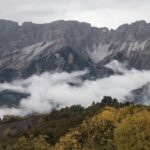
Discover the stunning beauty of Lubango, Angola, and witness the awe-inspiring Tundavala Gap.

Discover the natural beauty of Huambo in Alto Hama, Angola.

Discover the beauty of Lubango with its iconic Cristo Rei Statue.

Explore Angola’s Cultural Heritage at the National Museum of Anthropology in Luanda.

Angola Escapes: Relaxing and Rejuvenating Getaways in the Heart of Africa

Discover the natural wonders of Angola at Kissama National Park in Luanda.

Discover the beauty of Angola’s Benguela through the tranquil paradise of Baía Azul.

Tagline: “Experience the beauty of Angola’s Serra da Leba on a scenic drive through Lubango.

Experience Benguela’s cultural heritage at Cine Kalunga – an iconic art deco cinema.