Bolivia’s Oruro Carnival: A celebration of culture and tradition through music and dance.
“Bolivia’s Oruro Carnival: A celebration of culture and tradition through music and dance.”

Bolivia’s Oruro Carnival: A Vibrant and Colorful Annual Festival
Bolivia is a country that is rich in culture and tradition. One of the most exciting events that happen in Bolivia is the Oruro Carnival. This carnival is held annually in the town of Oruro, which is located in the western region of Bolivia. The carnival is a vibrant and colorful event that showcases traditional music, dance, and costumes.
The Oruro Carnival is held every year during the weekend before Ash Wednesday. The festival is said to have originated from the indigenous Andean celebrations of the Pachamama (Mother Earth) and the Virgen de la Candelaria (Virgin of Candelaria). The carnival is a blend of indigenous and Catholic traditions that have been passed down from generation to generation.
The Oruro Carnival is a time for celebration, and the town of Oruro comes alive with music, dance, and elaborate costumes. The carnival lasts for three days, and each day has its own unique events. The first day of the carnival is dedicated to the “challa” ceremony. During this ceremony, the participants offer gifts to the Pachamama and ask for her blessings for the carnival.
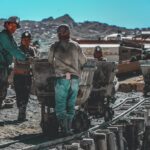
On the second day of the carnival, the main event takes place – the “Entrada”. This is a parade that is led by the Diablada, a group of dancers dressed in elaborate devil costumes. The Diablada dance is the most popular dance performed during the carnival. The dance originated from the miners who worked in the mines of Oruro. The miners believed that the devil lurked in the mines and that they needed to appease him with dance and music.
The Diablada dancers wear colorful costumes that are adorned with sequins, feathers, and mirrors. The dancers wear masks that represent the devil and carry tridents and other props. The dance is accompanied by traditional music that is played on flutes, drums, and other instruments. The dancers move in a circular pattern, and their movements are synchronized with the music.
Apart from the Diablada, there are other dance groups that participate in the parade. These include the Morenada, the Caporales, and the Tinku. The Morenada is a dance that originated from the Afro-Bolivian community. The dance is performed by dancers wearing black masks and colorful costumes. The Caporales is a dance that originated from the mines of Bolivia. The dance is performed by dancers wearing colorful costumes that are adorned with bells. The Tinku is a dance that originated from the Andean region of Bolivia. The dance is performed by dancers wearing traditional Andean clothing and carrying sticks.
The third day of the carnival is dedicated to the “Desentierro” ceremony. During this ceremony, the participants dig up a “tio” (uncle), which is a representation of the devil. The tio is dug up from the ground and paraded around the town. The ceremony is a symbol of the triumph of good over evil.
Apart from the parades and dances, there are other events that take place during the carnival. These include the “challa” ceremony, where participants offer gifts to the Pachamama, and the “convite” ceremony, where participants offer food and drink to the dancers.
The Oruro Carnival is a time for celebration and reflection. The carnival is a symbol of Bolivia’s rich culture and tradition. The carnival is a time for the people of Bolivia to come together and celebrate their heritage. The carnival is also a time for visitors to experience the vibrant and colorful culture of Bolivia.
In conclusion, the Oruro Carnival is a vibrant and colorful annual festival that showcases Bolivia’s rich culture and tradition. The carnival is a time for celebration, reflection, and coming together. The carnival is a blend of indigenous and Catholic traditions that have been passed down from generation to generation. The carnival is a symbol of the triumph of good over evil and is a time for visitors to experience the vibrant and colorful culture of Bolivia.