“Discover Bulgaria’s rich cultural heritage and avoid cultural missteps during your travels.”

Related
All related contents.
Related Posts

Discover the beauty of Bulgaria at the Rila Monastery.

Ancient history and stunning views await at Tsarevets Fortress in Veliko Tarnovo, Bulgaria.

Experience culture in the heart of Sofia at the National Palace of Culture.

Bulgaria Varna Varna, the maritime capital of Bulgaria, is known for its beautiful beaches and lively atmosphere. Sea Garden, Varna Archaeological Museum, Aladzha Monastery, Cathedral of the Assumption of the Virgin

Discover the beauty and history of Bulgaria’s Burgas – where the sea meets culture.

Discover the beauty of Bulgaria from Vitosha Mountain’s stunning heights.
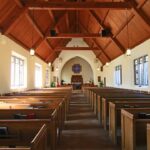
Boyana Church: A medieval masterpiece with UNESCO recognition.

Bask in the regal beauty of Balchik Palace and botanical garden, a royal retreat fit for a queen.

Discover the rich history and natural beauty of Sozopol, Bulgaria’s hidden gem.

Food, Wine, and Festivals: Experiencing Bulgaria’s Vibrant Culinary Scene

Discover the charm of Bulgaria’s capital city, Sofia.

Bulgaria’s Nessebar: Where Ancient Charm Meets Stunning Beaches

Discover the ancient beauty of Bulgaria’s Rotunda of St. George.

Discover the ancient beauty of Bulgaria’s Thracian Tomb of Kazanlak, a UNESCO World Heritage site.

Experience ancient history come to life at the Ancient Theatre of Philippopolis in Plovdiv, Bulgaria.

Experience the beauty of Bulgaria’s winter wonderland in Borovets.

Discover the ancient mystique of Bulgaria’s Aladzha Monastery in Varna.

Discover the beauty of ancient ruins and sea views in Old Town Nessebar, Bulgaria – a UNESCO World Heritage site.

Bansko: Where adventure meets natural beauty.

Discover Bulgaria’s royal past in Veliko Tarnovo, where history and beauty meet.

Discover the charm of ‘Little Vienna’ in Ruse, Bulgaria.

Bulgaria’s pride and Sofia’s gem – Alexander Nevsky Cathedral.

Bulgaria’s premier skiing destination – Bansko Ski Resort.

Bulgaria Plovdiv Plovdiv, the oldest city in Europe, boasts a rich history and stunning architecture. Ancient Theatre of Philippopolis, Plovdiv Roman Stadium, Old Town, Kapana Creative District

Step back in time at Plovdiv Roman Stadium, a testament to the grandeur of ancient Rome.