“Discover the rich culture of Cameroon through its exquisite handicrafts at Bamenda Handicraft Center.”

Related
All related contents.
Related Posts

Discover the beauty and urgency of Cameroon’s endangered primates at Limbe Wildlife Centre.

Tagline: Cameroon’s Douala- Marvel at the iconic statue of La Nouvelle Liberté by Joseph-Francis Sumégné, a symbol of freedom.

Discover the natural wonders of Limbe, Cameroon’s hidden gem.
Discover the diverse beauty of Cameroon in Yaoundé’s vibrant city center.
Discover the rich cultural heritage of Cameroon at the Dschang Museum of Civilization.

Discover the beauty of Cameroon’s Mandara Mountains in Maroua through an exhilarating hiking experience.

Explore the regal heritage of the Bamoun people at the Royal Palace of Foumban.

Discover the natural wonders of Cameroon at Rhumsiki and Rhumsiki Peak.

Discover the beauty of Kumbo Highlands and immerse in the vibrant culture of Cameroon.

Discover the vibrant wildlife of Cameroon at Mvog-Betsi Zoo in Yaounde.

Discover the natural beauty of Cameroon’s Kribi, where beaches and rainforests meet.
Discover the rich cultural heritage of Far North Region in Cameroon through Maroua’s vibrant markets, historic palace, and breathtaking natural wonders at Gorge de Kola.

Experience the vibrant culture and entertainment in Cameroon’s bustling economic center, Douala.

Discover the natural wonders of Cameroon: Kribi and Lobe Waterfalls.
Experience the vibrant culture and stunning scenery of Bafoussam, Cameroon.

Discover the breathtaking Ekom-Nkam Waterfalls of Cameroon, as seen in ‘Greystoke: The Legend of Tarzan.’

Experience the wonders of Cameroon’s Korup National Park, home to rare species and ancient rainforests.
Foumban: A Cultural Treasure Trove of Cameroon’s Architectural Heritage

From Mountains to Beaches: The Best of Cameroon’s Tourism Scene
Discover the rich cultural heritage of Cameroon in the vibrant city of Bamenda.

Discover the natural beauty and rich history of Buea, Cameroon’s hidden gem.
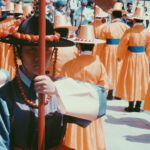
Discover the rich cultural heritage of Cameroon at Bafoussam Palace.

Discover the untamed beauty of Waza National Park in Cameroon.

Discover the natural beauty and cultural richness of Cameroon, home to Buea and Mount Cameroon, and embark on an epic trek to the summit of West Africa’s highest peak for an unforgettable adventure.

Discover the natural wonders of Cameroon in Waza National Park and beyond.