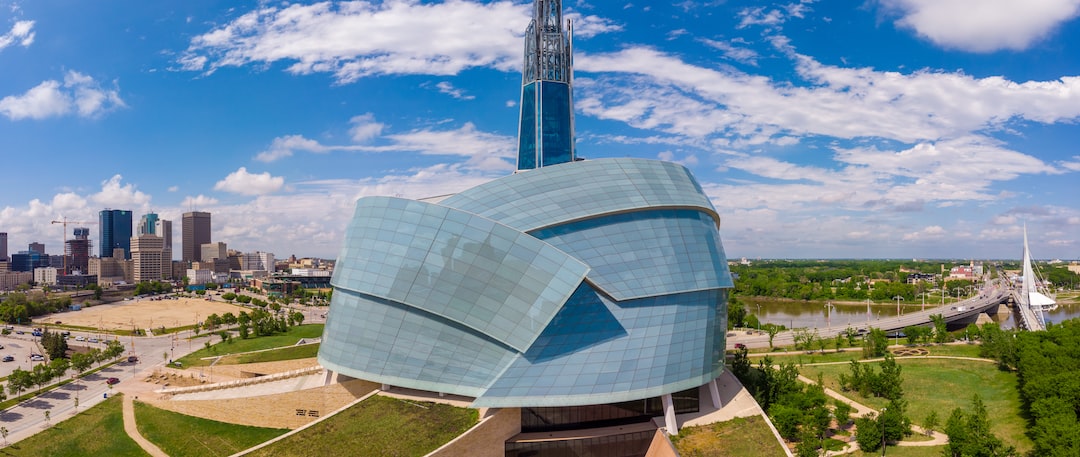
Exploring Winnipeg: A Visit to the Canadian Museum for Human Rights
Located in the heart of Canada, Winnipeg is a bustling city that is rapidly making a name for itself as a cultural and artistic hub. Among the many attractions that draw visitors to this vibrant city is the Canadian Museum for Human Rights, a thought-provoking museum dedicated to human rights education and awareness. As the first museum solely focused on the subject of human rights, this remarkable institution is a must-visit destination for anyone interested in exploring the complex and often contentious issues that lie at the heart of human rights discourse.
Upon arriving at the museum, visitors are immediately struck by the stunning architecture of the building. Designed by renowned architect Antoine Predock, the museum’s exterior is a striking combination of glass, steel, and stone that reaches skyward, symbolizing the upward journey toward a more just and equitable world. The building itself is designed to be accessible to all, with ramps and elevators ensuring that even those with mobility challenges can fully experience the museum.
As visitors enter the museum, they are greeted by a massive stone root that burrows into the ground, representing the deep foundations of human rights concepts and principles. This powerful symbol serves as a reminder that the struggle for human rights is both timeless and universal, transcending borders and cultures.
The museum’s exhibits are thoughtfully arranged to guide visitors on a journey through the many facets of human rights. The experience begins with an exploration of the origins and development of human rights concepts throughout history. By examining the philosophical and legal roots of human rights, the museum helps visitors to understand the foundational principles that underpin the global human rights movement.
From there, the museum delves into the darker side of human rights history, with exhibits documenting the many atrocities and abuses that have been committed in the name of power and control. Through a combination of powerful images, personal testimonies, and gripping artifacts, these exhibits shine a light on the often-hidden stories of suffering and resilience that have shaped the course of human rights struggles around the world.
While the museum does not shy away from confronting the harsh realities of human rights abuses, it also offers a message of hope and inspiration. The museum’s galleries showcase the countless individuals and organizations that have dedicated their lives to fighting for human rights, offering visitors a glimpse into the powerful impact that a single person or group can have on the world.
One of the museum’s most popular exhibits is the Canadian Journeys gallery, which presents stories of human rights challenges and triumphs that have taken place within Canada’s borders. From the internment of Japanese Canadians during World War II to the ongoing fight for LGBTQ+ rights, this gallery highlights the diverse and evolving nature of human rights issues in Canada.
The museum also places a strong emphasis on the role of art in promoting human rights awareness and activism. Throughout the galleries, visitors will find a wide array of artistic expressions, from powerful photographs and paintings to poignant sculptures and installations. These works of art serve to both engage and challenge visitors, encouraging them to reflect on their own understanding of human rights and their role in advancing the cause.
In addition to its permanent exhibits, the Canadian Museum for Human Rights also features temporary exhibitions that delve into specific human rights issues or highlight the work of particular human rights defenders. These exhibits provide an ever-changing array of perspectives and experiences, ensuring that visitors are always exposed to new and thought-provoking content.
To complement its exhibits, the museum also offers a robust schedule of programming and events designed to engage visitors in meaningful conversations about human rights. From film screenings and panel discussions to lectures and workshops, these events provide a forum for open dialogue and learning, fostering a deeper understanding of the complexities of human rights issues.
The Canadian Museum for Human Rights also serves as an important educational resource for students and educators, offering a variety of programs and resources designed to support human rights education in the classroom. Through guided tours, workshops, and online resources, the museum helps to inspire the next generation of human rights champions.
For those who prefer a more self-guided experience, the museum offers a wealth of interactive displays and multimedia presentations that allow visitors to explore human rights issues at their own pace. Touchscreen kiosks, video installations, and immersive environments provide a dynamic and engaging way for visitors to delve into the subject matter and connect with the stories being told.
As visitors make their way through the museum, they are continually reminded of the power of individual actions to affect change. Whether through the stories of human rights defenders featured in the exhibits or by participating in one of the museum’s interactive displays, visitors are encouraged to consider their own role in advancing human rights.
The journey through the Canadian Museum for Human Rights culminates in the Tower of Hope, a soaring glass spire that offers breathtaking panoramic views of the city of Winnipeg. As visitors ascend the tower, they are invited to reflect on the human rights issues they have encountered throughout the museum and to envision a brighter future in which human rights are respected and protected for all.
The Canadian Museum for Human Rights is more than just a museum; it is a powerful catalyst for conversation and action on the subject of human rights. By providing a space for education, awareness, and dialogue, the museum has become an essential destination for anyone seeking to better understand the complex and often contentious issues that lie at the heart of human rights discourse.