“Discover Chile’s rich culture and avoid cultural missteps during your travels.”
Related
All related contents.
Related Posts

Chile’s Easter Island: A Polynesian paradise of mystery and culture.

Experience adventure and natural beauty in Pucon, Chile’s Lake District gem.
Experience nature’s beauty at Osorno Volcano in Chile.
Experience eternal spring and rich history in Arica, Chile.

Experience adventure and beauty at Villarrica Volcano in Pucon, Chile.
Experience nature’s grandeur at Torres del Paine National Park in Puerto Natales, Chile.

Discover the natural beauty of Valdivia, Chile’s hidden gem in Los Lagos Region.

Discover the gateway to adventure in Punta Arenas, Chile.

Discover the wonders of the Atacama Desert from San Pedro de Atacama.

Chilean Wine Country: A Taste of the Country’s World-Renowned Vineyards
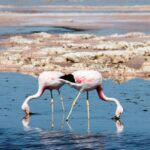
Discover the breathtaking beauty of Chungara Lake in Arica, Chile.

Tagline: Discover the wonders of Antarctica from Punta Arenas to King George Island.

Valparaiso – Where History Meets Art on Steep Hills.

Discover Chile’s industrial history at Humberstone and Santa Laura Saltpeter Works in Iquique – UNESCO World Heritage Sites.

Discover the enchanting beauty of Chiloe Island’s rich culture and natural wonders.

Discover the beauty of Chile’s coastal gem, La Serena, and explore the wonders of Elqui Valley’s pisco vineyards, La Recova Market, Japanese Garden, and La Serena Lighthouse.

Discover the enigmatic allure of Easter Island’s moai statues and stunning natural beauty.
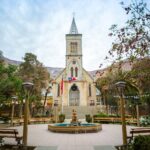
Elqui Valley: Where the stars shine brighter and the wine tastes sweeter.
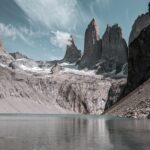
Discover the natural wonders of Chile’s Torres del Paine National Park.

Discover the enchanting charm of Chiloe Archipelago in Chile.

Discover the poetic legacy of Pablo Neruda at his former home in Valparaiso, Chile.

Experience the elegance of Chilean history at La Moneda Palace in Santiago.

Discover the natural wonders and cultural heritage of Chiloe National Park and Island.

Discover the vibrant charm of Santiago, Chile – where stunning natural beauty meets bustling city life.

Discover the wonders of Chile’s Atacama Desert, a natural beauty like no other.