Health Concerns and Vaccinations for Travel to Chile
“Stay healthy while exploring Chile: Important vaccinations and health precautions to consider before your trip.”
Health Concerns and Vaccinations for Travel to Chile
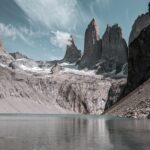
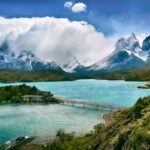
Traveling to Chile can be an exciting and enriching experience, but it’s important to be aware of any potential health concerns and necessary vaccinations before embarking on your journey. Chile is a diverse country with a range of climates and landscapes, from the arid Atacama Desert in the north to the icy glaciers of Patagonia in the south. Depending on where you plan to visit, there may be different health risks to consider.
One of the most important things to keep in mind when traveling to Chile is the altitude. Many popular tourist destinations, such as San Pedro de Atacama and the Atacama Salt Flats, are located at high altitudes. Altitude sickness can be a serious concern for travelers who are not acclimated to the thin air. Symptoms can include headaches, nausea, dizziness, and shortness of breath. To prevent altitude sickness, it’s recommended to spend a few days at a lower altitude before traveling to higher elevations. Additionally, staying hydrated and avoiding alcohol can help alleviate symptoms.
Another health concern to be aware of in Chile is the risk of mosquito-borne illnesses such as dengue fever and Zika virus. These diseases are most commonly found in the northern regions of the country, particularly during the summer months. To prevent mosquito bites, it’s recommended to wear long sleeves and pants, use insect repellent, and stay in accommodations with screens on windows and doors.
If you plan to visit the southern regions of Chile, particularly Patagonia, it’s important to be prepared for the cold weather. Hypothermia and frostbite can be serious risks for travelers who are not properly dressed for the climate. It’s recommended to bring warm, waterproof clothing and layers that can be easily removed as needed.
In terms of vaccinations, there are a few that are recommended for travelers to Chile. The Centers for Disease Control and Prevention (CDC) recommends that all travelers be up to date on routine vaccinations such as measles, mumps, and rubella (MMR), diphtheria, tetanus, and pertussis (DTaP), and influenza. Additionally, the CDC recommends that travelers to Chile receive vaccinations for hepatitis A and typhoid, as both diseases can be contracted through contaminated food and water.
If you plan to spend time in rural areas or have close contact with animals, it’s also recommended to receive a vaccination for rabies. While rabies is rare in Chile, it can be contracted through the bite of an infected animal such as a dog or bat. It’s important to note that the rabies vaccine requires multiple doses over a period of several weeks, so it’s important to plan ahead if you need this vaccination.
In addition to vaccinations, it’s also important to take other precautions to prevent illness while traveling in Chile. This includes practicing good hygiene such as washing your hands frequently, avoiding tap water and ice cubes, and only eating food that has been cooked or peeled. It’s also recommended to bring a supply of over-the-counter medications such as pain relievers, antihistamines, and anti-diarrheal medication in case of illness.
Overall, while there are some health concerns and necessary vaccinations to consider when traveling to Chile, with proper preparation and precautions, you can enjoy a safe and healthy trip. It’s important to consult with a healthcare provider or travel medicine specialist before your trip to ensure that you are up to date on all necessary vaccinations and prepared for any potential health risks. By taking the necessary steps to protect your health, you can fully enjoy all that Chile has to offer.