Discover ancient wonders and cultural treasures in Xi’an, China.
“Discover ancient wonders and cultural treasures in Xi’an, China.”
Xi’an
The Terracotta Warriors are a collection of sculptures that were discovered in Xi’an, China in 1974. They are considered one of the greatest archaeological finds of the 20th century and have since become a popular tourist attraction. The Warriors were created over 2,000 years ago during the reign of the first emperor of China, Qin Shi Huang.
The Terracotta Warriors were created to protect the emperor in the afterlife. They were buried with the emperor in his mausoleum, which is located near the city of Xi’an. The sculptures were made to represent the emperor’s army and were created with great attention to detail. Each sculpture is unique and has its own individual features, such as hairstyles and facial expressions.
The Terracotta Warriors were created using a variety of techniques. The sculptures were made from clay that was molded into shape and then fired in a kiln. The sculptures were then painted with bright colors, although much of the paint has faded over time. The sculptures were also equipped with weapons, such as swords and spears, which were made from bronze.
The Terracotta Warriors are divided into three main pits. The first pit contains the largest number of sculptures and is considered the most impressive. It contains over 6,000 sculptures, including soldiers, archers, and chariots. The second pit contains fewer sculptures, but includes a number of high-ranking officers. The third pit contains the smallest number of sculptures and is believed to have been a command center.
Visitors to the Terracotta Warriors can see the sculptures up close and learn about their history. The site also includes a museum that provides more information about the sculptures and the emperor who commissioned them. Visitors can also see a number of other artifacts from the Qin dynasty, such as weapons and pottery.
The Terracotta Warriors have become a symbol of Chinese history and culture. They have been featured in a number of films and television shows, and have inspired artists around the world. The sculptures have also been the subject of scientific research, which has helped to shed light on the techniques used to create them.
Despite their popularity, the Terracotta Warriors have faced a number of challenges. The sculptures are made from clay, which is fragile and can be easily damaged. The site has also faced issues with humidity and erosion, which have caused some of the sculptures to deteriorate. As a result, conservation efforts have been put in place to protect the site and ensure that the sculptures are preserved for future generations.
the Terracotta Warriors are an incredible example of ancient Chinese art and culture. They provide a glimpse into the history of China and the reign of Qin Shi Huang. The sculptures are a testament to the skill and craftsmanship of the artists who created them, and have become a symbol of Chinese identity. While the site faces challenges, efforts are being made to protect and preserve the sculptures for future generations to enjoy.
Terracotta Warriors
Terracotta Warriors
The Terracotta Warriors are one of the most significant archaeological discoveries of the 20th century. These life-sized figures were discovered in 1974 in Xi’an, China, and have since become a symbol of Chinese culture and history.
The warriors were created over 2,000 years ago during the Qin dynasty, which ruled from 221 to 206 BC. The first emperor of China, Qin Shi Huang, commissioned the creation of the Terracotta Warriors to protect him in the afterlife. The warriors were buried with him in his tomb, along with other treasures and objects.
The Terracotta Warriors were first discovered by farmers who were digging a well. They stumbled upon the first of what would eventually become thousands of warriors, horses, and chariots. The discovery was immediately reported to the authorities, and archaeologists began excavating the site.
The excavation of the Terracotta Warriors has been ongoing for over 40 years, and there is still much to be uncovered. So far, over 8,000 warriors, horses, and chariots have been discovered, but it is estimated that there are still thousands more underground.
Each of the Terracotta Warriors is unique, with individual facial features and hairstyles. The warriors are also dressed in different uniforms, depending on their rank and position. The level of detail in each figure is incredible, with intricate armor and weapons that were made using advanced techniques for the time.
The Terracotta Warriors were created using a process known as “mold and press.” This involved creating a mold of the figure and then pressing clay into it. The figures were then fired in a kiln to harden them. Once the figures were complete, they were painted in bright colors, although much of the paint has faded over time.
The Terracotta Warriors are not just a testament to the skill and craftsmanship of the ancient Chinese, but also to their belief in the afterlife. The warriors were created to protect Qin Shi Huang in the afterlife, and were buried with him along with other treasures and objects. The tomb itself is said to be a replica of the emperor’s palace, complete with rivers of mercury.
The discovery of the Terracotta Warriors has had a significant impact on our understanding of ancient China. It has given us insight into the military and social structures of the Qin dynasty, as well as their artistic and technological achievements. The warriors have also become a major tourist attraction, with millions of visitors traveling to Xi’an each year to see them.
In recent years, there have been concerns about the preservation of the Terracotta Warriors. Exposure to the elements and the influx of tourists has caused damage to the figures, and efforts are being made to protect them. Climate-controlled buildings have been constructed to house the warriors, and measures have been taken to limit the number of visitors to the site.
The Terracotta Warriors are a remarkable achievement of ancient China, and a testament to the creativity and ingenuity of the human spirit. They have captured the imagination of people around the world, and will continue to do so for generations to come.
Ancient City Wall
Terracotta Warriors
In 1974, farmers in the Shaanxi province of China discovered one of the most significant archaeological finds of the 20th century. While digging a well, they stumbled upon an underground chamber filled with thousands of life-sized terracotta soldiers, horses, and chariots. This discovery has become known as the Terracotta Warriors, and it has captivated the world ever since.
The Terracotta Warriors were created during the reign of Emperor Qin Shi Huang, who ruled China from 221-210 BCE. Emperor Qin was obsessed with immortality and believed that he could achieve it by surrounding himself with an army of soldiers in the afterlife. To accomplish this, he commissioned the creation of thousands of terracotta soldiers, each with unique facial features, hairstyles, and armor.
The Terracotta Warriors are divided into three pits, with Pit 1 being the largest and most impressive. This pit contains over 6,000 soldiers, horses, and chariots, all arranged in battle formation. The soldiers are life-sized and incredibly detailed, with individual facial expressions and unique hairstyles. Some soldiers even have battle scars and other signs of wear and tear.
Pit 2 contains over 1,300 soldiers and horses, as well as chariots and other military equipment. This pit is thought to represent the command center of the army, with high-ranking officers and generals depicted in the terracotta figures. Pit 3 is the smallest of the three and contains only 68 figures, including a group of musicians and acrobats.
The Terracotta Warriors are not only impressive for their size and detail, but also for the level of technology used to create them. Each soldier was made by hand, using a mold and then fired in a kiln. Once fired, the soldiers were painted with bright colors, although most of the paint has since faded.
Despite the impressive nature of the Terracotta Warriors, their discovery has raised many questions about the legacy of Emperor Qin. While he is credited with unifying China and building the Great Wall, he was also a brutal ruler who ordered the execution of scholars and the burning of books. Some see the Terracotta Warriors as a symbol of his desire for power and control, rather than a tribute to the soldiers who served under him.
Today, the Terracotta Warriors are a UNESCO World Heritage Site and one of the most visited tourist attractions in China. Visitors can see the soldiers up close and even take photos with them, although flash photography is not allowed due to the risk of damage to the figures. There is also a museum on site that provides more information about the history and creation of the Terracotta Warriors.
In recent years, there have been new discoveries associated with the Terracotta Warriors, including the discovery of a new pit containing over 400 figures. This new pit is thought to represent a civil administration center, with officials and bureaucrats depicted in the terracotta figures.
The Terracotta Warriors continue to capture the imagination of people around the world, and their discovery has shed light on the rich history and culture of ancient China. While their creation may have been motivated by a desire for power and immortality, their legacy has become a symbol of the ingenuity and craftsmanship of the ancient Chinese people.
Big Wild Goose Pagoda
The Terracotta Warriors are a collection of life-size sculptures depicting the armies of Qin Shi Huang, the first Emperor of China. These sculptures were created over two thousand years ago and remain one of the most significant archaeological discoveries of modern times. The warriors were discovered in 1974 by a group of farmers who were digging a well in the Shaanxi province of China. Since then, the Terracotta Warriors have become a major tourist attraction, drawing visitors from all over the world.
The Terracotta Warriors were created as part of the Emperor’s mausoleum, which was designed to protect him in the afterlife. The warriors were intended to serve as an army to protect the Emperor in the underworld. The sculptures were created using local materials, including clay and terracotta, and were made by skilled artisans who worked under the direction of the Emperor’s court.
The collection of Terracotta Warriors is made up of three main pits, which are located near the Emperor’s tomb. The pits contain thousands of figures, including soldiers, horses, and chariots. Each figure is unique, with its own distinct features and clothing. The warriors are arranged in battle formation, with infantry in the front and chariots and cavalry in the rear.
The first pit contains the largest number of warriors, with over 6,000 figures. The warriors in this pit are arranged in eleven columns, with each column consisting of over 500 figures. The second pit contains fewer warriors, but the figures in this pit are larger and more detailed. The third pit contains the smallest number of warriors, but it also contains a number of high-ranking officers and generals.
The Terracotta Warriors are a testament to the skill and artistry of the ancient Chinese people. The figures are incredibly lifelike, with each one displaying a different expression and pose. The warriors are also incredibly detailed, with intricate armor and weapons that are accurate to the time period.
The discovery of the Terracotta Warriors has been a major boon for tourism in China. The site attracts millions of visitors each year, who come to marvel at the ancient sculptures and learn about the history of the Qin Dynasty. The site has also become a major source of revenue for the local economy, with souvenir shops and restaurants popping up around the area.
In recent years, the Chinese government has invested heavily in the preservation and restoration of the Terracotta Warriors. The site has undergone extensive renovations, including the construction of a new museum and the installation of new lighting and ventilation systems. The government has also implemented strict regulations to protect the sculptures from damage and decay.
Despite the efforts to protect the Terracotta Warriors, the site still faces a number of challenges. The sculptures are made of fragile materials, and exposure to the elements and visitors can cause damage over time. The site also faces the threat of theft and vandalism, as the sculptures are highly valuable and sought after by collectors.
the Terracotta Warriors are a remarkable example of ancient Chinese art and culture. The sculptures are a testament to the skill and creativity of the ancient Chinese people, and they continue to captivate and inspire visitors from around the world. While the site faces challenges, the Chinese government and local community are committed to preserving this important piece of history for future generations.
Muslim Quarter
The Terracotta Warriors are a collection of sculptures depicting the army of Qin Shi Huang, the first emperor of China. These magnificent sculptures were discovered in 1974 by a group of farmers in Xi’an, China. The Terracotta Warriors are one of the most significant archaeological discoveries of the 20th century, and they are considered as one of the most impressive tourist attractions in China.
The Terracotta Warriors were created during the reign of Qin Shi Huang, who unified China and established the Qin dynasty. The emperor believed in the afterlife and wanted to ensure that his army would follow him into the next world. To achieve this, he ordered the construction of a massive underground tomb that would be guarded by a life-size army of terracotta soldiers.
The Terracotta Warriors are made from clay, and each statue is unique. They were created using a process that involved molding the clay, firing it, and then painting it. The warriors were arranged in battle formation in three pits, which were discovered in different stages of excavation.
The first pit is the largest and contains over 6,000 warriors, horses, and chariots. The second pit is smaller and contains a mix of soldiers and horses. The third pit is the smallest and contains only high-ranking officers and officials.
The Terracotta Warriors are not only impressive for their size and detail but also for their historical significance. They provide insight into the military tactics and weapons used during the Qin dynasty and offer a glimpse into the beliefs and practices of ancient Chinese society.
The Terracotta Warriors have become a significant tourist attraction in China, drawing millions of visitors each year. The site is located in the city of Xi’an and is easily accessible by public transportation. Visitors can view the warriors up close and even take photographs with them.
The Muslim Quarter is a popular area in Xi’an, located near the Terracotta Warriors. The Muslim Quarter is a bustling neighborhood filled with shops, restaurants, and street food vendors. The area is known for its delicious food, and visitors can try a variety of local specialties such as lamb skewers, roujiamo (a Chinese-style hamburger), and biangbiang noodles.
In addition to its culinary offerings, the Muslim Quarter is also home to several historic landmarks. The Great Mosque of Xi’an is located in the heart of the neighborhood and dates back to the Tang dynasty. The mosque has a unique blend of Chinese and Islamic architecture and is a must-see for visitors to the area.
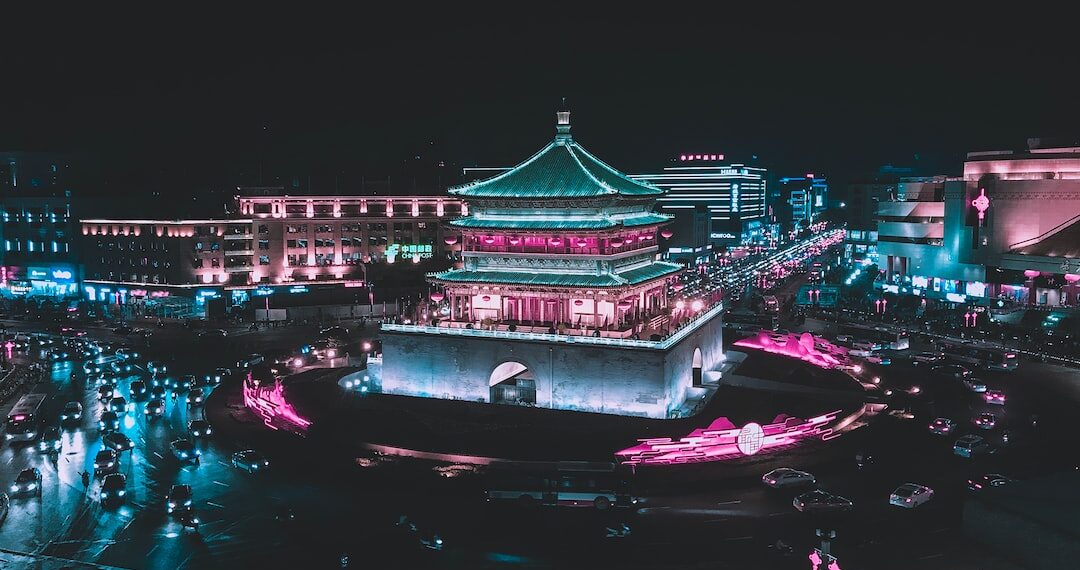
Another popular attraction in the Muslim Quarter is the Bell Tower, which was built in the Ming dynasty. The tower served as a timekeeping device and was used to announce important events and ceremonies. Visitors can climb to the top of the tower for a stunning view of the city.
Overall, the Terracotta Warriors and the Muslim Quarter are two must-see destinations in Xi’an, China. The Terracotta Warriors provide a fascinating glimpse into ancient Chinese history, while the Muslim Quarter offers a taste of modern-day Chinese culture. Together, they make for an unforgettable travel experience.