“Discover Colombia’s vibrant culture through its traditions, customs, language, and etiquette for a truly immersive travel experience.”

Related
All related contents.
Related Posts

Discover the wonders of science and nature at Medellin’s Parque Explora.

Discover the voluptuous world of Fernando Botero at Bogota’s Botero Museum.

Discover the enchanting beauty of Cartagena’s Walled City.

Unveil the legacy of Colombia’s ancient civilizations at the Gold Museum in Bogota.
Discover the grandeur of Castillo San Felipe de Barajas, a jewel of Cartagena’s history and culture.

Discover the enchantment of Cartagena, where history meets paradise.

Experience breathtaking panoramas from Piedra del Peñol in Medellin, Colombia.

Experience the beauty of Bogota from above at Monserrate.

Medellin: Where innovation meets natural beauty.

Discover the wonders of Colombia San Andres: A paradise of beaches, culture, and adventure.
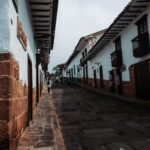
Discover the charm of Colombia’s Barichara: a town frozen in time.

Zipaquirá Salt Cathedral: Explore Colombia’s underground wonder.
Discovering Colombia: A Guide to the Country’s Top Tourist Destinations
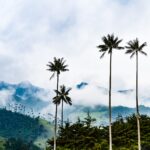
Discover the vibrant charm of Colombia’s coffee region in Salento.
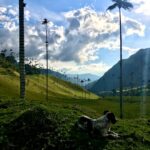
Discover Colombia’s natural wonder in Salento’s Cocora Valley.

Discover the colors and natural wonders of Guatapé, Colombia.
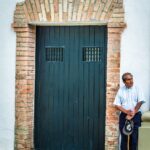
Experience the enchanting beauty and culture of Colombia’s White City, Popayan.
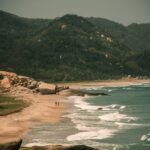
Discover the wonders of Santa Marta: history, beaches, and nature at its finest.
Experience the rhythm and culture of Colombia in Cali, the salsa capital of the country.
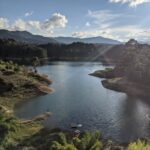
Discover the beauty of Colombia’s Guatapé and its stunning reservoir through thrilling water activities.
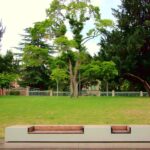
Experience the beauty of Medellin’s Arvi Park – a nature lover’s paradise!

Discover the secrets of Colombia’s past at San Agustín Archaeological Park.

Discover the richness of Calima culture at Cali’s Calima Gold Museum.
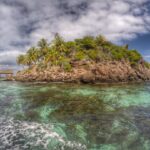
Discover the underwater wonders of Providencia Island’s McBean Lagoon National Park.
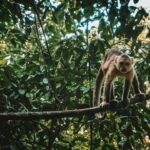
Discover Colombia’s natural beauty at Tayrona National Park in Santa Marta.