ROAMOPEDIA
Denmark's Culture
Exploring Danish Culture: Traditions, Customs, Language, and Etiquette
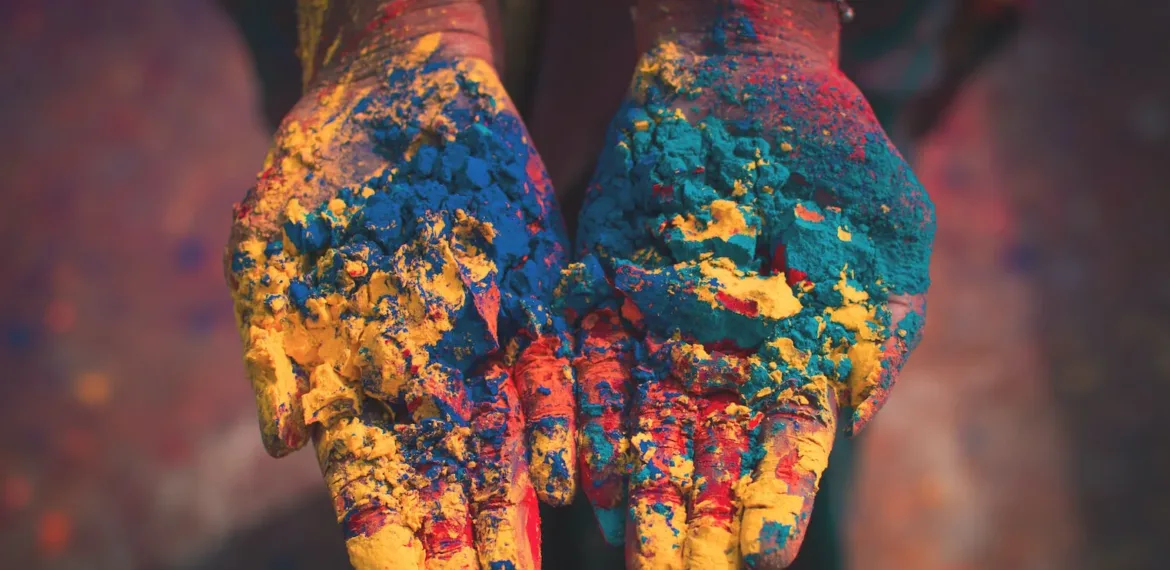
closeup photo of person holding color soils
“Discover Denmark’s rich culture through its traditions, customs, language, and etiquette for a truly immersive travel experience.”
Exploring Danish Culture: Traditions, Customs, Language, and Etiquette

Denmark is a country that is rich in culture and traditions. From its language to its customs and etiquette, Denmark has a unique identity that is worth exploring. Understanding the culture of Denmark can enrich your travel experience and help you avoid any cultural faux pas. In this article, we will delve into the traditions, customs, language, and etiquette of Denmark.

Traditions

Denmark has a rich history of traditions that are still celebrated today. One of the most popular traditions is the Danish Christmas celebration. Danes celebrate Christmas on the evening of December 24th, and it is a time for family gatherings, gift-giving, and feasting. The traditional Danish Christmas meal consists of roast pork, boiled potatoes, red cabbage, and gravy. For dessert, Danes enjoy rice pudding with a cherry sauce.

Another popular tradition in Denmark is the celebration of Midsummer’s Eve. This celebration takes place on June 23rd, and it is a time for bonfires, singing, and dancing. It is believed that the bonfires ward off evil spirits and bring good luck. Danes also celebrate the summer solstice with a traditional meal of pickled herring, new potatoes, and snaps.

Customs

Denmark has a number of customs that are unique to the country. One of the most notable customs is the concept of hygge. Hygge is a Danish word that roughly translates to “coziness” or “contentment.” It is a way of life that emphasizes the importance of creating a warm and inviting atmosphere in the home. Danes often light candles, drink hot beverages, and spend time with loved ones to create a sense of hygge.

Another custom in Denmark is the concept of “janteloven.” Janteloven is a set of unwritten rules that emphasize humility and equality. It is a way of life that discourages individualism and promotes the idea of working together as a community. Danes often use the phrase “you are not better than anyone else” to describe the concept of janteloven.

Language

The official language of Denmark is Danish, and it is spoken by the majority of the population. Danish is a Germanic language that is closely related to Norwegian and Swedish. It is a difficult language to learn, as it has a number of unique sounds and grammar rules. However, learning a few basic phrases in Danish can go a long way in making a good impression on the locals.

Some common Danish phrases include “tak” (thank you), “hej” (hello), and “farvel” (goodbye). Danes also use a number of idioms and expressions that may be unfamiliar to non-native speakers. For example, the phrase “at slå en prut” (to let out a fart) is used to describe a situation that is awkward or uncomfortable.

Etiquette

Denmark has a number of etiquette rules that are important to follow in order to avoid offending the locals. One of the most important rules is punctuality. Danes value punctuality and expect others to be on time for appointments and meetings. It is considered rude to be late without a good reason.

Another important etiquette rule in Denmark is the concept of personal space. Danes value their personal space and may feel uncomfortable if someone stands too close to them. It is important to maintain a respectful distance when interacting with others.

When dining in Denmark, it is important to wait for the host to begin eating before starting your own meal. It is also considered polite to finish everything on your plate, as leaving food behind may be seen as wasteful.

Conclusion

In conclusion, Denmark has a rich culture that is worth exploring. From its traditions to its customs, language, and etiquette, Denmark has a unique identity that is sure to enrich your travel experience. By understanding the culture of Denmark, you can avoid any cultural faux pas and make a good impression on the locals. So why not plan a trip to Denmark and experience the country’s rich culture for yourself?

  • Print
  • +-
    Font Size