ROAMOPEDIA
Dominica's Culture
Exploring Dominica’s Culture: Traditions, Customs, Language, and Etiquette
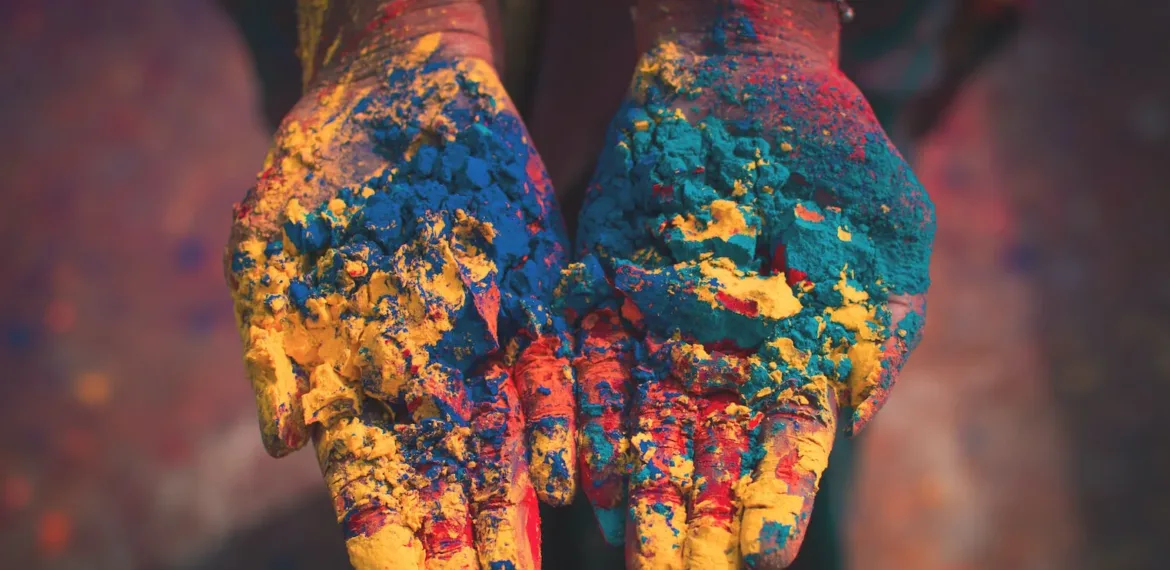
closeup photo of person holding color soils
“Discover Dominica’s rich culture: Embrace traditions, customs, language, and etiquette for an unforgettable travel experience.”
Exploring Dominica’s Culture: Traditions, Customs, Language, and Etiquette

Dominica is a small island nation located in the Caribbean Sea. It is known for its lush rainforests, hot springs, and stunning beaches. However, what many people may not know is that Dominica has a rich and vibrant culture that is worth exploring. Understanding the traditions, customs, language, and etiquette of Dominica can enrich your travel experience and help you avoid any cultural faux pas.

Traditions

Dominica has a rich cultural heritage that is deeply rooted in African, European, and indigenous traditions. One of the most important traditions in Dominica is Carnival. This annual festival takes place in February and is a celebration of music, dance, and colorful costumes. The festival is a time for locals to let loose and enjoy themselves, and visitors are welcome to join in the festivities.

Another important tradition in Dominica is the Creole Day celebration. This takes place on the last Friday in October and is a celebration of the island’s Creole heritage. The day is marked by traditional Creole food, music, and dance. Visitors can sample local delicacies such as callaloo soup, fried plantains, and saltfish.

Customs

Dominicans are known for their warm and friendly nature. They are welcoming to visitors and take pride in their island’s natural beauty and cultural heritage. One of the most important customs in Dominica is respect for elders. It is customary to greet older people with a handshake or a hug, and to address them with the title “Mr.” or “Mrs.”

Another important custom in Dominica is the importance of family. Family is at the center of Dominican life, and it is common for extended families to live together in the same household. Visitors should be respectful of this custom and be mindful of the importance of family in Dominican culture.

Language

The official language of Dominica is English, but many Dominicans also speak Creole. Creole is a unique blend of French, African, and English languages, and is widely spoken throughout the island. Visitors may find it helpful to learn a few basic phrases in Creole, such as “bonjou” (good morning) or “merci” (thank you).

Etiquette

Dominicans place a high value on politeness and respect. It is important to greet people with a smile and a friendly “hello” or “good morning.” When entering someone’s home, it is customary to remove your shoes and wait to be invited to sit down. It is also considered impolite to interrupt someone while they are speaking.

When dining in Dominica, it is important to wait for the host to begin eating before starting your own meal. It is also customary to leave a small amount of food on your plate as a sign of respect for the host’s hospitality. When visiting a church or other religious site, it is important to dress modestly and behave respectfully.

Conclusion

Exploring Dominica’s culture can be a rewarding and enriching experience. By understanding the traditions, customs, language, and etiquette of this beautiful island nation, visitors can gain a deeper appreciation for its unique cultural heritage. Whether you are attending Carnival, sampling local cuisine, or simply enjoying the natural beauty of the island, being mindful of Dominican culture can help you avoid any cultural faux pas and ensure a more enjoyable travel experience.

  • Print
  • +-
    Font Size