Discover the soul of Ghana in Kumasi’s vibrant culture and rich history.
“Discover the soul of Ghana in Kumasi’s vibrant culture and rich history.”
Kumasi
Kumasi is the second-largest city in Ghana and is known as the cultural capital of the country. The city is located in the Ashanti region of Ghana and is home to over 2 million people. Kumasi is a vibrant city that is filled with rich history and culture. Whether you are interested in exploring the city’s historic landmarks, learning about its traditions and customs, or tasting its delicious cuisine, Kumasi has something for everyone.
One of the most popular attractions in Kumasi is the Manhyia Palace Museum. The museum is located in the former residence of the Ashanti King and is a must-visit for anyone interested in the history and culture of the Ashanti people. The museum features artifacts, photographs, and exhibits that tell the story of the Ashanti Kingdom. Visitors can also take a guided tour of the palace and learn about the customs and traditions of the Ashanti people.
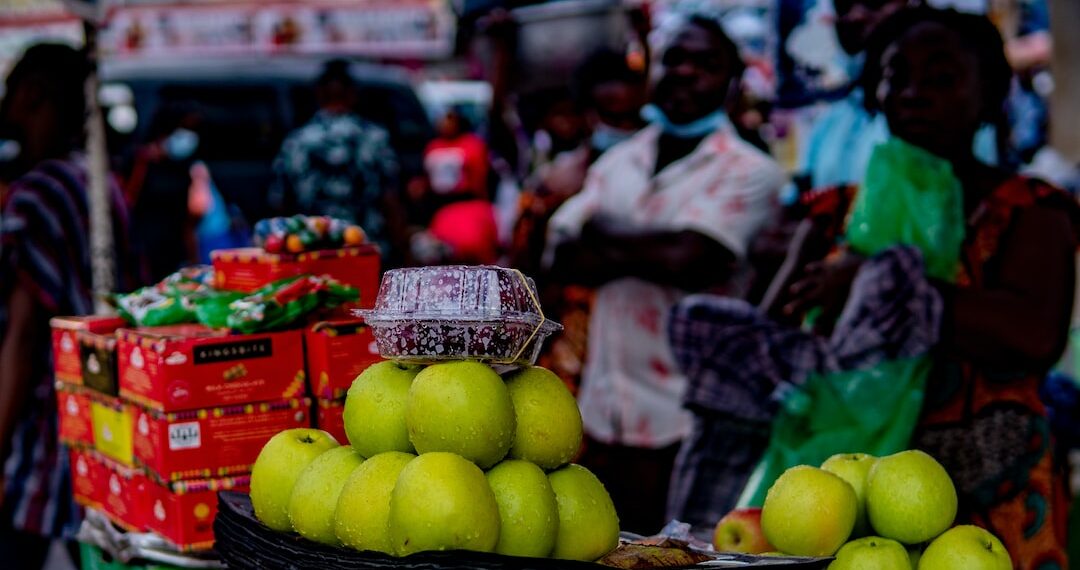
Another popular attraction in Kumasi is the Kejetia Market. The market is one of the largest outdoor markets in West Africa and is a great place to experience the local culture. The market is divided into sections, with each section selling different items such as food, clothing, and crafts. Visitors can wander through the market and sample local foods, buy souvenirs, and interact with the locals.
Kumasi is also known for its festivals and celebrations. One of the most popular festivals in Kumasi is the Akwasidae Festival. The festival is held every six weeks and is a celebration of the Ashanti culture. During the festival, the Ashanti King and his advisors wear traditional clothing and perform traditional dances. The festival is a great way to experience the culture and traditions of the Ashanti people.
If you are looking to explore the natural beauty of Kumasi, then a visit to the Owabi Wildlife Sanctuary is a must. The sanctuary is home to a variety of animals such as monkeys, antelopes, and birds. Visitors can take a guided tour of the sanctuary and learn about the different species of animals that live there. The sanctuary is also a great place to go hiking and enjoy the natural beauty of Kumasi.
Kumasi is also known for its delicious cuisine. One of the most popular dishes in Kumasi is fufu and soup. Fufu is a starchy side dish made from cassava, yams, or plantains, and is typically served with a soup or stew. Visitors can try this delicious dish at one of the many local restaurants in Kumasi.
Kumasi is a city that is rich in culture and history. From its historic landmarks to its festivals and celebrations, there is something for everyone in Kumasi. Whether you are interested in learning about the traditions and customs of the Ashanti people, exploring the natural beauty of the city, or trying its delicious cuisine, Kumasi is a city that should not be missed. So, pack your bags and head to Kumasi to discover all that this vibrant city has to offer.
Manhyia Palace
Kumasi, a bustling city located in the Ashanti region of Ghana, is known for its rich cultural heritage and history. The city is the cultural capital of Ghana and is home to the Manhyia Palace, which is the official residence of the Ashanti king, Otumfuo Osei Tutu II.
The Manhyia Palace is a must-visit attraction for anyone interested in learning about the history and culture of the Ashanti people. The palace is a symbol of the Ashanti kingdom’s power and wealth, and it has been in existence for over 300 years. The palace is a masterpiece of Ashanti architecture and is adorned with intricate carvings and decorations.
Visitors to the Manhyia Palace can take a guided tour of the palace to learn about the history and traditions of the Ashanti people. The tour includes a visit to the museum, which houses a collection of artifacts and exhibits that showcase the Ashanti culture and history. The museum also houses a collection of photographs and paintings that depict the Ashanti Kingdom’s history and its people.
One of the most interesting aspects of the Manhyia Palace is its role in the Ashanti Kingdom’s history. The palace has served as the seat of power for the Ashanti kings for over 300 years, and it has witnessed many significant events in the kingdom’s history. The palace has also been the site of many important ceremonies and rituals, such as the Adae Festival, which is a celebration of the Ashanti kingdom’s ancestors.
The Adae Festival is one of the most important festivals in the Ashanti calendar, and it is celebrated at the Manhyia Palace. The festival is an opportunity for the Ashanti people to pay homage to their ancestors and to renew their commitment to the Ashanti culture and traditions. The festival is characterized by colorful parades, traditional music, and dance performances.
In addition to the Manhyia Palace, Kumasi is also home to many other cultural attractions that are worth exploring. The city is known for its vibrant markets, such as the Kejetia Market, which is one of the largest open-air markets in West Africa. The market is a hub of activity, and visitors can find everything from traditional crafts to fresh produce.
Kumasi is also known for its traditional crafts, such as Kente cloth weaving, which is a traditional Ashanti craft. Visitors to Kumasi can visit the Bonwire Kente Village, which is located just outside the city, to learn about the Kente weaving process and to purchase authentic Kente cloth.
The city is also home to many traditional festivals and events, such as the Akwasidae Festival, which is a celebration of the Ashanti culture and traditions. The festival is characterized by colorful parades, traditional music, and dance performances.
Kumasi is a city that is rich in culture and history. The Manhyia Palace is a must-visit attraction for anyone interested in learning about the Ashanti culture and history. The palace is a symbol of the Ashanti Kingdom’s power and wealth, and it has played an important role in the kingdom’s history. Visitors to Kumasi can also explore the city’s vibrant markets, traditional crafts, and festivals, which are a testament to the city’s rich cultural heritage.
Kejetia Market
As the second-largest city in Ghana, Kumasi boasts a rich cultural heritage that is evident in its many attractions and landmarks. One of the most vibrant and bustling places in Kumasi is the Kejetia Market, which is known for its array of goods and lively atmosphere.
The Kejetia Market is a sprawling complex that covers an area of over 12 acres and features a maze of narrow streets and alleys. Here, you can find everything from fresh produce and meats to clothing, jewelry, and traditional crafts. The market is a hub of activity, with vendors calling out to customers and bargaining over prices.
One of the highlights of the Kejetia Market is the section dedicated to traditional crafts. Here, you can find beautiful hand-woven baskets, intricate beadwork, and wood carvings that showcase the artistic talent of the local people. Many of these crafts are made using traditional techniques that have been passed down through generations, making them an important part of Kumasi’s cultural heritage.
Another fascinating aspect of the Kejetia Market is the food section, where you can sample some of Ghana’s most delicious dishes. From spicy stews and soups to grilled meats and fresh seafood, there is something to suit every taste. Many of the dishes are made using local ingredients and traditional cooking methods, giving them a unique flavor that cannot be found anywhere else.
For those interested in history, the Kejetia Market also has a section dedicated to traditional medicine. Here, you can find herbs, roots, and other natural remedies that have been used for centuries to treat a range of ailments. The vendors are knowledgeable about the properties and uses of these remedies and can offer advice on which ones may be best suited to your needs.
Aside from the Kejetia Market, Kumasi has many other cultural attractions that are worth exploring. The Manhyia Palace Museum, for example, is a fascinating place to learn about the history and traditions of the Ashanti people, who have played a significant role in the development of Ghana. The museum houses a collection of artifacts and exhibits that showcase the rich cultural heritage of the Ashanti people.
Another must-see attraction in Kumasi is the Okomfo Anokye Sword site. This is the spot where the legendary Okomfo Anokye, a powerful priest and spiritual leader, is said to have driven his sword into the ground, declaring that no one would be able to remove it. The sword has remained in place ever since, becoming a symbol of the power and strength of the Ashanti people.
Overall, Kumasi is a city that is steeped in history and culture, and the Kejetia Market is just one of the many places where you can experience this firsthand. Whether you are interested in traditional crafts, local cuisine, or the history and traditions of the Ashanti people, there is something for everyone in Kumasi. So if you are planning a trip to Ghana, be sure to include this vibrant and fascinating city on your itinerary.
Kumasi Fort
Kumasi, the second-largest city in Ghana, is known for its rich cultural heritage. The city is located in the Ashanti Region of Ghana and is the traditional home of the Ashanti people. Kumasi is a bustling city with a vibrant culture that reflects its history and traditions. Visitors to Kumasi can discover the city’s rich cultural heritage by exploring its many landmarks, museums, and historical sites.
One of the most notable landmarks in Kumasi is the Kumasi Fort. The Fort was built by the British in 1896 and served as a military base during the Ashanti Wars. Today, the Fort serves as a museum that showcases the history of the Ashanti people and their interactions with the British. Visitors to the Fort can explore the exhibits and learn about the Ashanti Wars, the slave trade, and the cultural traditions of the Ashanti people.
Another must-visit destination in Kumasi is the Manhyia Palace Museum. The Palace was the official residence of the Ashanti King until 1974 and is now a museum that showcases the history of the Ashanti Kingdom. Visitors to the Palace can explore the exhibits and learn about the customs, traditions, and history of the Ashanti people. The Palace is also home to the Ashanti Royal Regalia, which includes the Golden Stool, a symbol of the Ashanti Kingdom’s unity and power.
Kumasi is also known for its vibrant markets, where visitors can experience the city’s bustling atmosphere and interact with the locals. The Kejetia Market is one of the largest markets in West Africa and offers a wide range of goods, including textiles, crafts, and food. The market is a great place to shop for souvenirs and experience the local culture.
Another popular market in Kumasi is the Adum Market, which specializes in traditional Ashanti crafts and textiles. Visitors to the market can find a wide range of handmade crafts, including Kente cloth, which is a brightly colored fabric that is woven by the Ashanti people. The market is also home to a variety of food stalls and local restaurants, where visitors can sample traditional Ashanti cuisine.
In addition to its landmarks and markets, Kumasi is also home to a vibrant music and dance scene. The Ashanti people have a rich musical tradition that includes drumming, dancing, and storytelling. Visitors to Kumasi can experience traditional Ashanti music and dance performances at cultural centers and festivals throughout the city.
One of the most popular festivals in Kumasi is the Akwasidae Festival, which is held every six weeks to honor the Ashanti King. The festival is a colorful celebration that includes music, dance, and the pouring of libations to honor the ancestors. Visitors to Kumasi can experience the festival and learn about the traditions and customs of the Ashanti people.
Kumasi is a city that is rich in culture and history. Visitors to the city can explore its many landmarks, museums, and markets to discover the traditions and customs of the Ashanti people. The vibrant music and dance scene and the colorful festivals also offer visitors a unique opportunity to experience the local culture. Kumasi is a must-visit destination for anyone who wants to discover the rich cultural heritage of Ghana.
Lake Bosomtwe
Kumasi is the second-largest city in Ghana and the capital of the Ashanti region. It is a bustling city with a rich cultural heritage. One of the most fascinating places to visit in Kumasi is Lake Bosomtwe, a beautiful natural lake located about 30 kilometers southeast of the city.
Lake Bosomtwe is a crater lake that was formed by a meteorite impact over a million years ago. The lake is surrounded by lush green hills and is a popular destination for tourists looking for a peaceful retreat. The lake is also considered sacred by the local people, who believe that it has healing powers.
The lake is home to several species of fish, including tilapia and catfish. Fishing is a major economic activity in the area, and visitors can witness fishermen using traditional methods to catch fish. There are also several small villages around the lake where visitors can experience the local way of life.
One of the most popular activities at Lake Bosomtwe is hiking. There are several trails around the lake that offer stunning views of the surrounding hills. The most popular trail is the one that leads to the top of Mount Adakoa, the highest peak in the area. The hike takes about three hours and is quite challenging, but the views from the top are worth it.
Another popular activity at Lake Bosomtwe is swimming. The lake is crystal clear and has a pleasant temperature. Visitors can swim in the lake or take a boat ride to explore the surroundings. There are also several small islands on the lake that can be visited.
Visitors to Lake Bosomtwe can also learn about the local culture. The Ashanti people are known for their rich cultural heritage, and there are several cultural centers around the lake where visitors can learn about their traditions. The most famous cultural center is the Ashanti Cultural Center, which houses a museum that displays traditional Ashanti artifacts and exhibits.
The Ashanti people are also known for their traditional crafts, including weaving, pottery, and carving. Visitors can witness these crafts being made and purchase them as souvenirs. There are also several markets around the lake where visitors can buy local produce and handicrafts.
Overall, Lake Bosomtwe is a must-visit destination for anyone interested in Ghanaian culture and nature. The lake offers a unique opportunity to experience the local way of life and witness the stunning natural beauty of the area. Whether you’re interested in hiking, swimming, or learning about the local culture, Lake Bosomtwe has something for everyone.