“Exploring Indonesia: Navigating the Land of a Thousand Islands”

Related
All related contents.
Related Posts

Discover the natural wonders and architectural beauty of Indonesia’s Bandung, also known as the Paris of Java.

Discover the wonders of Indonesia – a land of diverse cultures, stunning landscapes, and unforgettable experiences.
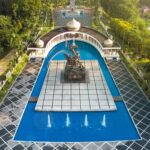
Embrace the Spirit of Independence: Discover Jakarta’s Sky-High Symbol at the National Monument

Discover the spiritual and artistic heart of Bali in Ubud, home to the Sacred Monkey Forest Sanctuary, Tegalalang Rice Terrace, and Ubud Palace.

Discover Timeless Majesty: Yogyakarta’s Prambanan Temple, Indonesia’s 9th-century UNESCO World Heritage Wonder.

Raja Ampat Islands: Dive into Paradise, Where Pristine Beaches Meet Vibrant Reefs and Bountiful Marine Life

Discover the underwater paradise of Indonesia’s Raja Ampat with Wayag Island, Misool Island, and Cape Kri – the ultimate diving destination.

Kraton Yogyakarta: Timeless Majesty of Javanese Heritage

Discover the Enchanted Oasis: Bali’s Ubud Monkey Forest – Where Nature, Culture, and Playful Primate Encounters Collide

Experience the divine beauty of Bali through Uluwatu Temple, Tanah Lot Temple, and Seminyak Beach.
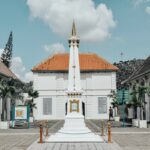
Discover the rich heritage of Java in Yogyakarta, home to iconic landmarks such as Borobudur Temple, Prambanan Temple, and Malioboro Street.

Discover Flores’ Kelimutu National Park: A Kaleidoscope of Nature’s Wonders

Discover Sumatra’s Lake Toba: Serenity and Adventure in the World’s Largest Volcanic Lake

Discover the unspoiled beauty of Indonesia’s Lombok: home to Mount Rinjani, the Gili Islands, and Senggigi Beach.

Discover the wild wonders of Indonesia’s Komodo Island.
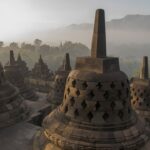
Discover Yogyakarta: Where Borobudur Temple, the world’s largest Buddhist masterpiece, awakens your spirit amidst UNESCO-protected wonders.

Kuta Beach, Bali: Ride the Waves, Savor the Nights, and Dive into Endless Adventure!

Discover the treasures of North Sumatra in Indonesia’s vibrant Medan city.

Discover Bali & Nusa Penida: A Perfect Island Paradise for Unforgettable Adventures Beneath the Waves

Discover the vibrant culture and diverse attractions of Jakarta, Indonesia – home to the National Monument, Ancol Dreamland, and the majestic Istiqlal Mosque.

Discover Indonesia’s Wild Beauty – Komodo National Park: UNESCO World Heritage Site, Land of the Majestic Komodo Dragon, and Paradise of Turquoise Waters.

Experience the valor of Indonesia’s history in Surabaya’s iconic landmarks.

Discover Indonesia’s Hidden Gem: Bali’s Tegalalang Rice Terraces – A Cultural Symphony of Agriculture and Beauty

Experience the magic of Bali at Tanah Lot Temple – where myths meet sunsets on an iconic rocky shore.

Discover Bali’s Uluwatu Temple: Where Ancient Spirituality Meets Breathtaking Seascapes and Enchanting Performances