“Stay healthy while exploring Kazakhstan: Important vaccinations and health precautions to consider.”

Related
All related contents.
Related Posts

Discover the Timurid masterpiece at Mausoleum of Khoja Ahmed Yasawi, a UNESCO World Heritage Site in Kazakhstan’s Turkestan.

Discover the rich history and natural beauty of Taraz, Kazakhstan.
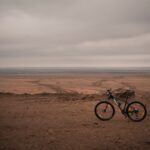
Nur-Sultan: Where East meets West in a futuristic city.
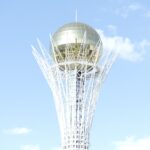
Baiterek Tower: Where the Tree of Life meets modern architecture, offering breathtaking city views.

Experience the thrill of space exploration at Baikonur Cosmodrome in Kazakhstan.
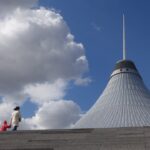
Khan Shatyr Entertainment Center: Experience the ultimate shopping and entertainment under one tent.

Explore the history and beauty of Pavlodar, Kazakhstan’s hidden gem.
Discover the beauty and culture of Oskemen, Kazakhstan.
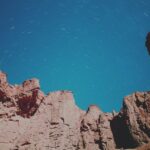
Discover Kazakhstan’s natural wonder at Charyn Canyon National Park.
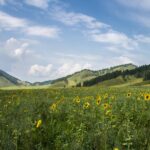
Discover the natural wonders of Ust-Kamenogorsk and the Altai Mountains in Kazakhstan.

A beacon of peace and interfaith dialogue in the heart of Kazakhstan’s capital city.

Discover the beauty of Kazakhstan at Big Almaty Lake.
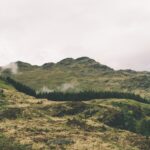
Experience Almaty’s beauty from above at Kok-Tobe Hill.

Discover the grandeur of Kazakhstan’s Presidential Park in Astana.

Kazakhstan: A Journey Through Time and Tradition

Experience the thrill of the slopes in Kazakhstan’s premier ski destination, Shymbulak Ski Resort.

Discover the beauty and history of Kostanay, Kazakhstan.
Discover the cultural gems of Semey, Kazakhstan’s hidden treasure.

Discover the blend of past and present in Aktobe, Kazakhstan.
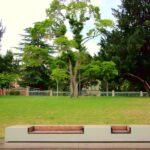
Experience the natural wonder of Kolsai Lakes National Park, a hidden gem in Kazakhstan’s mountainous landscape.

Experience the serenity of Nur-Astana Mosque in the heart of Kazakhstan’s capital city.

Skate amidst breathtaking beauty at Medeu Ice Skating Rink in Kazakhstan’s Almaty.

Discover the vibrant past and present of Kazakhstan in Shymkent.

Discover the beauty of Kazakhstan in Almaty, where nature and culture come together.

Complex, and more await you in Karaganda. Come explore the cultural and natural wonders of this hidden gem in Central Asia.