ROAMOPEDIA
Kek Lok Si Temple
Discover Penang’s Majestic Gem: Kek Lok Si Temple, the Beacon of Buddhism in Southeast Asia
“Discover Penang’s Majestic Gem: Kek Lok Si Temple, the Beacon of Buddhism in Southeast Asia”
Discovering Malaysia’s Penang: Exploring the Magnificent Kek Lok Si Temple

Located in the beating heart of Southeast Asia, Malaysia is a land of breathtaking beauty and rich cultural heritage. One of the country’s most enchanting destinations is the island state of Penang, known for its stunning landscapes, centuries-old architecture, and vibrant street life. While many visitors flock to Penang to sample its famous street food or explore its UNESCO-listed George Town, there is one must-visit destination that should not be missed: the incredible Kek Lok Si Temple.

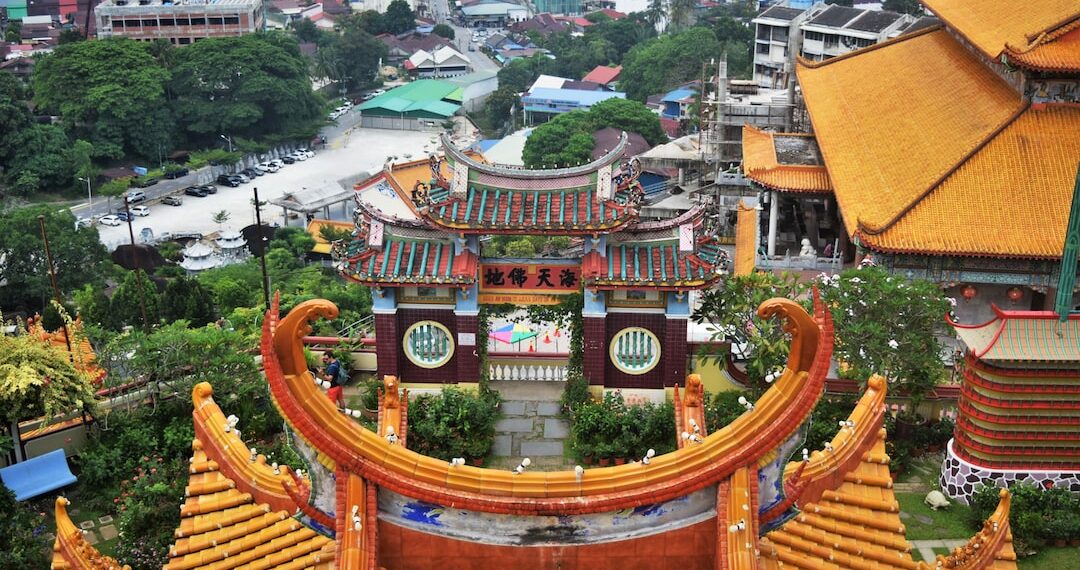
Kek Lok Si Temple, which translates to “Temple of Supreme Bliss” or “Temple of Sukhavati,” is one of the largest and most important Buddhist temples in Southeast Asia. Perched atop a hill in Air Itam, a suburb of George Town, the temple’s striking seven-story pagoda and 30-meter tall statue of Kuan Yin, the Goddess of Mercy, can be seen for miles around. The temple’s magnificent architecture and spiritual significance make it a popular destination for both tourists and pilgrims alike.

As you approach the temple, you’ll be greeted by a vibrant market selling everything from souvenirs and prayer paraphernalia to traditional Penang snacks. After browsing through the colorful stalls, you’ll begin the ascent up the hill to the temple complex, passing through a series of beautifully landscaped gardens and courtyards along the way. The air is filled with the scent of incense and the sound of Buddhist chants, creating an atmosphere of serenity and tranquility.

Upon entering the temple complex, you’ll be struck by the incredible craftsmanship and attention to detail that has gone into every aspect of the temple’s construction. The main entrance is guarded by a pair of intricately carved stone dragons, while the walls are adorned with vibrant murals depicting scenes from Buddhist mythology. The temple is a fascinating fusion of architectural styles, incorporating elements of traditional Chinese, Thai, and Burmese design.

At the heart of the temple complex lies the impressive seven-story pagoda, known as the Pagoda of Ten Thousand Buddhas. This magnificent structure is a masterpiece of Chinese, Thai, and Burmese architecture, with each tier representing a different architectural style. The pagoda’s exterior is adorned with thousands of statues of Buddha, each one unique and intricately carved. As you climb the steps to the top of the pagoda, you’ll be rewarded with panoramic views of the surrounding countryside and the glittering waters of the Strait of Malacca in the distance.

One of the temple’s most striking features is the 30-meter tall bronze statue of Kuan Yin, the Goddess of Mercy. This awe-inspiring statue was completed in 2002 and is one of the tallest representations of Kuan Yin in the world. The statue is housed within a 60-meter high pavilion, which is supported by 16 granite pillars and adorned with intricate carvings of dragons, phoenixes, and other mythical creatures.

The statue of Kuan Yin is a symbol of compassion and mercy, and many devotees come to the temple to pay their respects and seek her blessings. As you approach the statue, you’ll see countless offerings of flowers, incense, and candles left by worshippers, as well as a large urn filled with water from a nearby spring. This water is believed to have healing properties, and many visitors take the opportunity to cleanse themselves and receive the blessings of the Goddess of Mercy.

The temple also houses several other shrines and prayer halls, each dedicated to different deities and figures from Buddhist and Chinese mythology. One of the most popular shrines is the Hall of the Laughing Buddha, where visitors can rub the belly of the large bronze statue of the jovial deity for good luck and prosperity. Another must-see attraction is the Tortoise Pond, where hundreds of turtles and tortoises swim and bask in the sun. These creatures are considered symbols of longevity and wisdom in Chinese culture, and visitors are encouraged to release a turtle into the pond as an act of merit-making.

As you explore the temple grounds, you’ll also come across several beautifully landscaped gardens and ponds, filled with brightly colored carp and lotus flowers. These tranquil spaces provide the perfect opportunity to pause and reflect on the teachings of Buddhism, or simply take a moment to appreciate the beauty and serenity of the temple.

Throughout the year, the Kek Lok Si Temple plays host to a variety of Buddhist festivals and ceremonies, the most famous of which is the annual Chinese New Year celebration. During this time, the temple is illuminated with thousands of lanterns and colorful lights, creating a dazzling spectacle that attracts visitors from all over the world. The temple also marks other important Buddhist holidays, such as Vesak Day and the Ghost Festival, with traditional rituals and ceremonies.

The Kek Lok Si Temple is not only a stunning example of religious architecture and craftsmanship but also a place of deep spiritual significance for Buddhists and non-Buddhists alike. Its serene atmosphere, awe-inspiring structures, and beautiful gardens make it an essential destination for anyone visiting Penang. Whether you’re seeking spiritual enlightenment, immersing yourself in the rich culture and traditions of Southeast Asia, or simply marveling at the incredible artistry of the temple’s design, Kek Lok Si Temple is a place that will leave a lasting impression on all who visit.

  • Print
  • +-
    Font Size