Ascend Sabah’s Mount Kinabalu: Unleash Your Inner Adventurer on Malaysia’s Majestic Peak
“Ascend Sabah’s Mount Kinabalu: Unleash Your Inner Adventurer on Malaysia’s Majestic Peak”
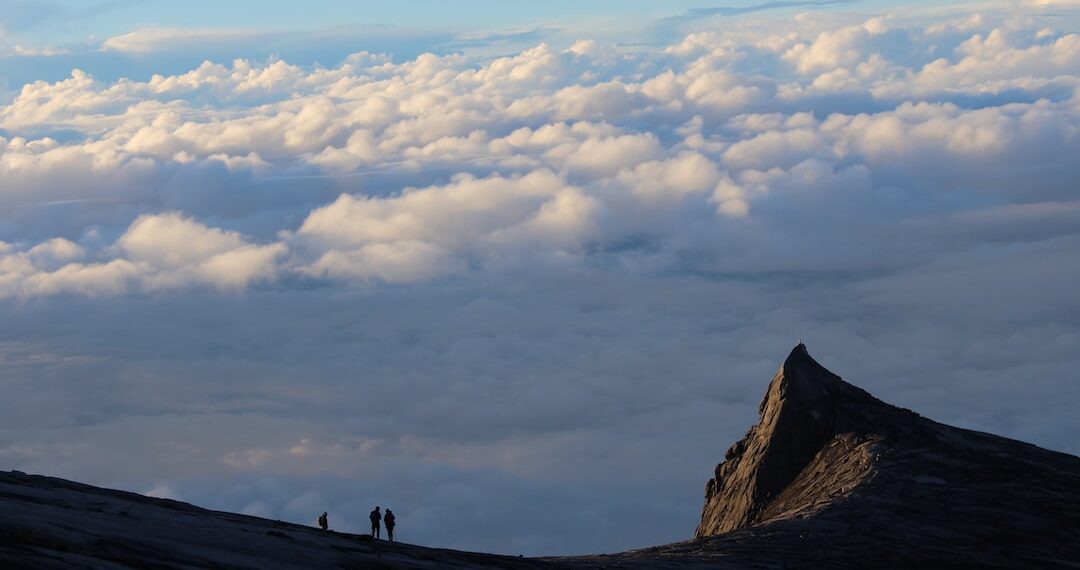
Mount Kinabalu: Sabah’s Majestic Peak and Malaysia’s Ultimate Hiking Adventure
Malaysia, a Southeast Asian country known for its diverse culture, rich history, and stunning landscapes, has long been a popular destination for travelers seeking both adventure and relaxation. One of the country’s most prized attractions, located within the eastern state of Sabah, is Mount Kinabalu. Known as Malaysia’s highest peak, this magnificent mountain offers challenging hikes and stunning views for adventure seekers and nature enthusiasts alike.
Standing tall at 4,095 meters (13,435 feet) above sea level, Mount Kinabalu is not only the highest mountain in Malaysia but also ranks as the 20th most prominent mountain in the world. It is the centerpiece of Kinabalu Park, a UNESCO World Heritage Site that spans over 750 square kilometers (290 square miles) of lush tropical rainforest, teeming with unique flora and fauna. The park is home to over 5,000 plant species, including the world’s largest flower, the Rafflesia, and more than 90 species of lowland mammals, such as the orangutan and the Malayan sun bear.
The mountain’s name, Kinabalu, is derived from the indigenous Kadazan Dusun language, which roughly translates to “the revered place of the dead.” According to local folklore, spirits of the deceased reside on the mountain’s summit, making it a sacred site for the native people. The mountain has long been a symbol of pride and identity for Sabahans and Malaysians alike.
Mount Kinabalu is considered one of the most accessible peaks in the world for climbers, as it does not require any specialized mountaineering skills. However, this does not mean that the journey to the summit is an easy one. The climb, which usually takes two days to complete, is both physically and mentally challenging, pushing climbers to their limits as they navigate steep trails, rocky terrain, and sometimes unpredictable weather conditions.
The adventure begins at Timpohon Gate, the starting point of the climb, situated approximately 5.5 kilometers (3.4 miles) from the park’s entrance. From here, climbers embark on a 6-kilometer (3.7-mile) trek through dense rainforests and mossy forests, encountering a diverse range of plant and animal life along the way. The trail is well-maintained and marked with distance signs, allowing climbers to track their progress as they ascend the mountain.
As the altitude increases, so too does the difficulty of the climb. The air becomes thinner, making it harder to breathe, and the terrain becomes more challenging as climbers navigate a series of wooden ladders, ropes, and rock faces. Despite these obstacles, the breathtaking views of the surrounding landscape and the sense of accomplishment that comes with conquering each section of the trail make the effort worthwhile.
The first day of the climb concludes at one of the mountain huts, namely Laban Rata or Pendant Hut, where climbers can rest, refuel, and acclimatize to the higher altitude. These accommodations, located at approximately 3,270 meters (10,730 feet) above sea level, offer basic amenities such as dormitory-style sleeping arrangements, hot meals, and restrooms. Though not luxurious, these facilities provide a much-needed respite for weary climbers, allowing them to recharge before the final push to the summit.
The second day of the climb begins in the early hours of the morning, as climbers set out in darkness to reach the summit in time for sunrise. The trail becomes even more challenging at this stage, as climbers traverse granite slabs and steep rock faces, often with the assistance of fixed ropes. The final ascent to the summit is marked by a steep, exposed scramble known as the “Summit Plateau,” which can be particularly challenging in wet or icy conditions.
Upon reaching the summit, climbers are rewarded with a truly unforgettable sight – the sun rising over the horizon, casting a golden glow across the surrounding landscape. The panoramic views from the summit are simply breathtaking, with vistas stretching as far as the eye can see, encompassing the lush rainforests, rolling hills, and rugged peaks of Sabah. The sense of achievement that comes with standing on the highest point in Malaysia, having conquered the mountain’s challenging terrain, is an experience that will undoubtedly remain etched in the memories of climbers for a lifetime.
After taking in the stunning views and capturing the obligatory summit photos, climbers begin the descent back down the mountain. The return journey can be just as challenging as the ascent, as tired muscles and steep terrain make for a slow and cautious descent. However, the sense of accomplishment and the memories of the journey make the physical exertion more than worth it.
While the climb up Mount Kinabalu is undoubtedly an unforgettable experience, the adventure does not have to end with the descent. The surrounding Kinabalu Park offers a wealth of activities for visitors to enjoy, from exploring the park’s numerous nature trails to discovering the fascinating plant and animal life that call the park home. For those seeking a more relaxing experience, the nearby Poring Hot Springs provide a perfect opportunity to soothe tired muscles and unwind amidst the beauty of the park.
Climbing Mount Kinabalu is not for the faint-hearted, but for those who are up to the challenge, the experience is one that will never be forgotten. The mountain’s rugged terrain, unique flora and fauna, and awe-inspiring views make it a must-visit destination for adventure seekers, nature enthusiasts, and anyone looking to push their limits and experience the best that Malaysia has to offer. So, pack your bags, lace up your hiking boots, and embark on the adventure of a lifetime – Mount Kinabalu awaits.