Connectivity in Malaysia: Easy access to WiFi and local SIM cards make staying connected a breeze.

Related
All related contents.
Related Posts

Discover the charm and flavor of Malaysia’s Penang, a UNESCO World Heritage Site.

Discover Sarawak’s Hidden Treasure: Mulu Caves – A UNESCO World Heritage Site of Unrivaled Limestone Wonders and Subterranean Adventures

Embrace nature’s embrace: Sabah’s Sepilok Orangutan Rehabilitation Centre, where compassion meets wonder.

Discover the charm of Kuching, where modernity meets tradition amidst nature’s beauty.

Kuala Lumpur’s Bukit Bintang: Where Shopping, Dining, and Nightlife Come Alive

Ascend the Skies: Discover the Majestic Petronas Twin Towers in Kuala Lumpur, Malaysia’s Crown Jewel

Cameron Highlands: Pahang’s Enchanting Oasis of Tea, Strawberries, and Scenic Serenity
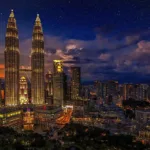
Malaysia Uncovered: Exploring the Best of Southeast Asia

Langkawi Sky Bridge: Soar above the rainforest, embrace unparalleled island vistas.

Discover the natural wonders and rich heritage of Kota Kinabalu, Malaysia’s tropical paradise.

Discover the beauty of Cameron Highlands, Malaysia – where nature meets serenity.

Terengganu’s Perhentian Islands: Malaysia’s Tropical Paradise for Unforgettable Snorkeling and Diving Adventures!

Discover the Divine: Malaysia’s Kuala Lumpur and Batu Caves – Unveil the Majestic Beauty of Limestone Caves and the World’s Tallest Lord Murugan Statue

Perak’s Ipoh: Where Heritage Meets Culinary Delights in Malaysia’s Charming Historical Gem

Discover Sarawak’s Hidden Gem: Bako National Park – Unparalleled Wildlife, Breathtaking Landscapes, and Jungle Trails Aplenty

Malaysia Langkawi: Paradise on Earth.

Penang’s George Town: Where Heritage Meets Artistry in Malaysia’s UNESCO Treasure

Kedah’s Enchanting Escape: 99 Islands of Sun, Sand, and Savings

Ascend Sabah’s Mount Kinabalu: Unleash Your Inner Adventurer on Malaysia’s Majestic Peak

Discover the charm of Ipoh, Malaysia with its rich history, stunning landmarks, and mouth-watering food.

Discover the best of both worlds in Johor Bahru – where modernity meets tradition.

Discover Penang’s Majestic Gem: Kek Lok Si Temple, the Beacon of Buddhism in Southeast Asia

Discover Malaysia’s colonial past in the charming city of Malacca.

Discover the vibrant beauty of Kuala Lumpur, Malaysia

Jonker Street: A Vibrant Melaka Treasure – Antiques, Culture, and Flavors Await in Chinatown’s Heart