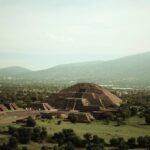
Discover Mexico’s ancient wonders – where Mayan history meets Caribbean paradise.
“Discover Mexico’s ancient wonders – where Mayan history meets Caribbean paradise.”
Mexico’s Magnificent Mayan Ruins: Cancun, Tulum, and the Turquoise Caribbean Sea
Tulum, a breathtaking gem on the eastern coast of Mexico’s Yucatan Peninsula, offers a unique marriage of history and natural beauty that leaves visitors captivated and inspired. Home to some of the most exquisite Mayan ruins in the world, Tulum is a place where you can marvel at the stunning ancient structures perched on a cliff overlooking the turquoise Caribbean Sea. With its rich history, vibrant culture, and awe-inspiring natural surroundings, it’s no wonder that Tulum has become a haven for travelers seeking a one-of-a-kind experience in paradise.
Located on the Riviera Maya, which stretches from Cancun to the southern tip of the Yucatan Peninsula, Tulum is an ancient walled city that served as a seaport during the height of the Mayan civilization. The ruins at Tulum are unique in that they are one of the few Mayan archaeological sites located directly on the coast, offering breathtaking views of the Caribbean Sea. This dramatic juxtaposition of ancient ruins and turquoise waters creates a truly unforgettable experience for all who visit.
The history of Tulum dates back to the early 13th century when it was known as Zama, meaning “City of Dawn.” This name likely refers to the fact that the city was built to face the rising sun, allowing its inhabitants to pay homage to the sun god, Kukulkan. The city was at its peak during the 14th and 15th centuries, serving as a vital trade hub between the inland Mayan cities and other civilizations along the Caribbean coast.
While Tulum may not be as grand in scale as other Mayan sites like Chichen Itza or Tikal, it is still an impressive archaeological site that offers a captivating glimpse into the world of the ancient Maya. As you meander through the ruins, you’ll find that each structure tells a unique story about the city’s history and its inhabitants.
One of the most iconic structures at Tulum is El Castillo, or the Castle, which dominates the cliff overlooking the sea. This impressive building likely served as a watchtower and lighthouse, guiding sailors safely to the city’s shores. The Castle’s commanding position atop the cliff offers a mesmerizing view of the Caribbean Sea, providing a perfect backdrop for the ancient structure.
Surrounding El Castillo are several other structures that once served various purposes within the city. Among these is the Temple of the Frescoes, one of the most well-preserved buildings at Tulum. The temple is adorned with intricate and colorful murals depicting scenes from the Mayan world, including depictions of gods, rulers, and common people.
Another notable structure is the Temple of the Descending God, named for the unique carving of an upside-down figure found above its doorway. This figure, believed to represent a Mayan deity associated with the setting sun and the underworld, is a recurring motif throughout Tulum and speaks to the city’s deep connection with the cosmos.
As you explore the ruins, you’ll also notice the remains of the wall that once encircled the city. This wall, which stands up to 16 feet high in some places, was likely built to protect the city’s inhabitants from both natural and human threats. Its presence serves as a testament to the importance and strategic location of Tulum in the Mayan world.
Beyond the stunning ruins, Tulum also offers a wealth of natural beauty that is sure to captivate any visitor. The city’s position along the Caribbean coast means that it is blessed with miles of pristine white sand beaches and crystal-clear turquoise waters. In fact, Tulum is often lauded as having some of the most beautiful beaches in the world, making it an ideal destination for those seeking to relax and soak in the sun.
However, Tulum’s natural attractions extend beyond the beach. The area surrounding the city is home to a vast network of underground rivers and cenotes, or natural sinkholes, which offer a unique and exhilarating opportunity to explore the region’s subterranean landscape. Many of these cenotes boast crystal-clear waters and dramatic limestone formations, making them perfect for snorkeling or diving in a magical underwater world.
As you explore the cenotes, you’ll also have the opportunity to learn about their cultural significance to the Maya. The ancient civilization considered these natural formations to be sacred and believed them to be portals to the underworld. Today, many cenotes are still used for ceremonial purposes by the modern Maya, adding an additional layer of intrigue and mystique to these natural wonders.
Aside from its stunning natural beauty and fascinating history, Tulum also offers a vibrant cultural scene that is sure to delight any traveler. The town of Tulum, located just a short distance from the ruins, is a bustling hub of activity, with a variety of restaurants, bars, and shops offering a taste of local life.
As you stroll through the town, you’ll find plenty of opportunities to sample delicious regional cuisine, such as cochinita pibil, a slow-roasted pork dish marinated in citrus and spices, or the refreshing ceviche, a seafood dish made with fresh fish, lime juice, and a medley of vegetables. And, of course, no visit to Tulum would be complete without indulging in some authentic Mexican tacos, served with a variety of mouthwatering fillings and salsas.
In addition to its culinary offerings, Tulum also boasts a thriving arts scene, with numerous galleries and workshops showcasing the works of local and international artists. The town is also home to several annual festivals and events, such as the Tulum Food, Spirits, and Wine Festival and the Tulum International Film Festival, which celebrate the region’s rich cultural heritage.
Overall, Tulum is a destination that offers an unparalleled experience for travelers seeking a unique fusion of history, culture, and natural beauty. From the awe-inspiring Mayan ruins perched on a cliff overlooking the turquoise Caribbean Sea to the stunning cenotes hidden beneath the Earth’s surface, there’s no shortage of wonders to discover in this captivating corner of Mexico.