ROAMOPEDIA
Altai Tavan Bogd National Park
Ascend to Mongolia’s Pinnacle: Explore Altai Tavan Bogd National Park, the Ancient Artistry and Breathtaking Beauty of Bayan-Olgii Province.
“Ascend to Mongolia’s Pinnacle: Explore Altai Tavan Bogd National Park, the Ancient Artistry and Breathtaking Beauty of Bayan-Olgii Province.”
Mongolia’s Hidden Gem: Exploring Bayan-Olgii Province and Altai Tavan Bogd National Park

Mongolia, a landlocked country in East Asia, is known for its vast expanses of unspoiled landscapes, a rich cultural heritage, and a nomadic way of life. Located in the far western part of the country, the Bayan-Olgii Province is the epitome of the wild beauty of Mongolia. The province is home to the Altai Tavan Bogd National Park, a remote park that boasts stunning landscapes, ancient petroglyphs, and the highest peaks in Mongolia. This article aims to provide a vivid description of the mesmerizing attractions that make this park a must-visit destination for adventure seekers and history buffs alike.

The Bayan-Olgii Province is home to a diverse population, with the majority being Kazakh people. This ethnic group has a unique culture, language, and lifestyle that sets them apart from the rest of Mongolia. The province is dotted with small villages, where traditional customs and practices are still very much alive. The best way to experience the local culture is to stay with a Kazakh family in their traditional homes called ‘gers’ or ‘yurts’. These circular, portable tents made from felt are the perfect embodiment of the nomadic lifestyle of the people.

The Altai Tavan Bogd National Park is situated in the heart of the Bayan-Olgii Province and spans over an area of 6,362 square kilometers. It derives its name from the Altai Mountains and the five (‘Tavan’ in Mongolian) highest peaks (‘Bogd’ in Mongolian) in the region. The park was established in 1996 to protect the unique ecosystem and natural beauty of the area, as well as its archaeological and historical significance.

The park’s stunning landscapes comprise of vast valleys, crystal-clear rivers, serene lakes, and snow-capped peaks. The flora and fauna of the park are equally diverse, with rare and endangered species such as the snow leopard, argali sheep, and the Altai snowcock residing in its boundaries. The park is also home to the world’s largest species of wild sheep, the Marco Polo sheep, which are known for their impressive curled horns. Birdwatchers can feast their eyes on golden eagles, vultures, and falcons soaring above the rugged terrain.

The journey to the Altai Tavan Bogd National Park is an adventure in itself. It starts with a flight from the capital, Ulaanbaatar, to the town of Olgii, followed by a drive through the picturesque landscapes of the Bayan-Olgii Province. The remoteness of the park means that there are no paved roads, and a four-wheel-drive vehicle is essential to navigate the rugged terrain. As you drive through the wilderness, you will come across nomadic families herding their animals and living in perfect harmony with nature.

One of the main attractions of the park is the ancient petroglyphs, which date back thousands of years. These rock carvings provide a glimpse into the lives of the early inhabitants of the region. The most famous site for petroglyphs in the park is the Tsagaan Salaa, which has over 10,000 individual carvings spread across five kilometers of rocky outcrops. The carvings depict animals, hunting scenes, and geometric patterns, showcasing the artistic skills and the deep connection that the ancient people had with their natural surroundings.

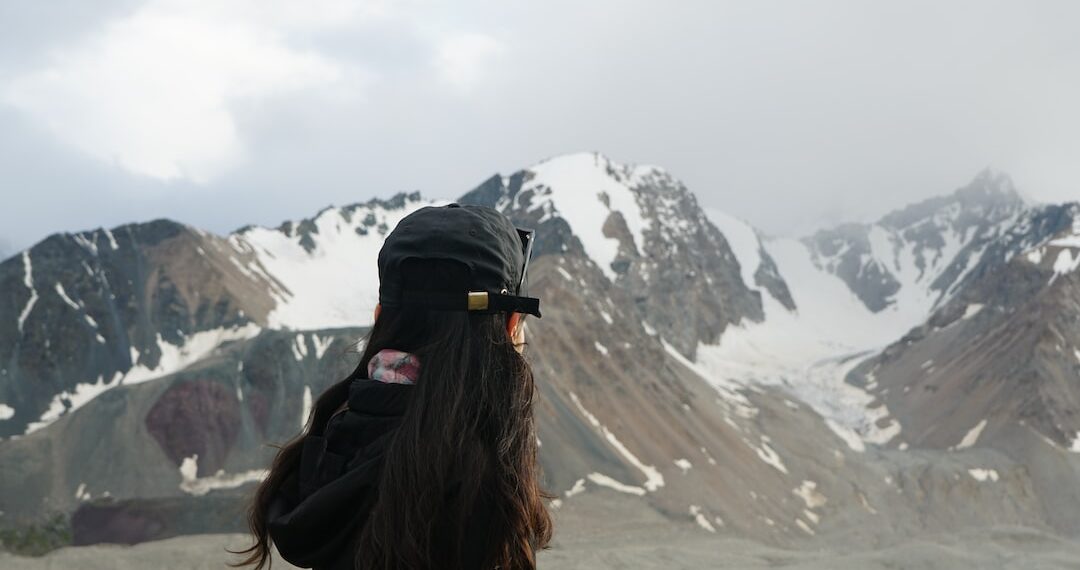
The Altai Mountains are the main highlight of the park, with their towering peaks providing a breathtaking backdrop for the vast valleys below. The highest peak in Mongolia, Khuiten Uul, stands at 4,374 meters and is one of the five peaks that make up the Altai Tavan Bogd. The other peaks include Nairamdal Uul, Malchin Uul, Bürged Uul, and Ölgii Uul. The mountains are a magnet for mountaineers and trekkers, who are drawn to the challenging climbs and the promise of unparalleled views from the summit.

The trek to the base camp of the Altai Tavan Bogd is a rewarding experience, taking you through undulating grasslands, wildflower meadows, and pristine rivers. The base camp itself is located at the edge of the Potanin Glacier, the longest glacier in Mongolia. From here, climbers can attempt to conquer the various peaks, while trekkers can explore the glacier and its surroundings. The mountains and the glacier form a natural border between Mongolia, Russia, and China, adding another layer of intrigue to the adventure.

Another fascinating feature of the Altai Tavan Bogd National Park is the numerous alpine lakes that dot the landscape. The largest of these, Khoton Nuur and Khurgan Nuur, are connected by a small channel and are surrounded by lush green meadows and snow-capped mountains. These picturesque lakes are ideal for kayaking, fishing, or simply relaxing by their shores and soaking in the natural beauty of the park.

In addition to its stunning landscapes and outdoor adventures, the Altai Tavan Bogd National Park has a rich cultural heritage that dates back thousands of years. The park is home to the ancient burial site of the Scythian warrior tribe, who ruled the region around 2,000 years ago. The burial site, known as the ‘Deer Stone’ site, is marked by intricately carved standing stones that depict deer and other animals in a stylized manner. These mysterious stones serve as a testament to the artistic prowess and the spiritual beliefs of the Scythian people.

The Altai Tavan Bogd National Park is a true gem in the heart of Mongolia, offering a unique combination of natural beauty, cultural heritage, and adventure. Its remote location and unspoiled landscapes make it a perfect destination for those seeking an off-the-beaten-path experience that is both enriching and exhilarating. Whether you’re drawn to the ancient petroglyphs, the towering peaks, or the serene lakes, the park has something for everyone and is sure to leave you with memories that will last a lifetime.

  • Print
  • +-
    Font Size