ROAMOPEDIA
Lüderitz
Namibia’s Lüderitz: A blend of history and beauty.

Lüderitz

Namibia, a country located in southern Africa, is known for its vast deserts, wildlife, and diverse culture. However, not many people know about Namibia’s rich history, which dates back to the colonial era. One of the best ways to explore Namibia’s history is by visiting the historic town of Lüderitz and the nearby ghost town of Kolmanskop.

Lüderitz is a small coastal town located in the southern part of Namibia. It was founded by a German merchant, Adolf Lüderitz, in the late 19th century and served as a major trading post for diamonds and other precious minerals. Today, Lüderitz is a popular tourist destination, known for its colorful colonial architecture and picturesque harbor.

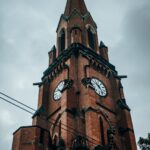
One of the must-see attractions in Lüderitz is the Felsenkirche, a church built in 1912 by the German colonial government. The church is perched on a rocky hill overlooking the town and offers stunning views of the Atlantic Ocean. Another popular attraction in Lüderitz is the Goerke Haus, a grand mansion built in the early 20th century by a German diamond magnate. The mansion is now a museum and showcases the town’s colonial history.

From Lüderitz, visitors can take a short drive to the nearby ghost town of Kolmanskop. The town was once a thriving diamond mining community but was abandoned in the mid-20th century after the diamond fields were depleted. Today, Kolmanskop is a fascinating place to explore, with its crumbling buildings and deserted streets.

One of the most interesting buildings in Kolmanskop is the old hospital, which still contains some of the original equipment used by the doctors and nurses. The hospital also has a maternity ward, where babies were born in the early 20th century. Visitors can also explore the old diamond sorting house, where workers sifted through the sand in search of diamonds.

Another fascinating aspect of Kolmanskop is the way nature has reclaimed the town. The sand dunes have slowly crept into the abandoned buildings, covering the floors and burying the furniture. It’s a surreal experience to walk through the empty rooms, with the sand crunching underfoot.

Overall, a visit to Lüderitz and Kolmanskop is a unique and educational way to learn about Namibia’s history. From the colonial architecture of Lüderitz to the ghost town of Kolmanskop, visitors can get a sense of what life was like in Namibia during the early 20th century. It’s also a chance to appreciate the beauty of the Namibian desert and the resilience of nature.

Kolmanskop Ghost Town

Namibia is a country that is rich in history, with many fascinating stories to tell. One of the best ways to explore Namibia’s past is by visiting the ghost town of Kolmanskop, located just a few kilometres from the coastal town of Lüderitz.

Kolmanskop was once a thriving diamond mining town, established in the early 1900s by German colonists. The town was built in the middle of the Namib Desert, and it quickly became a hub of activity as miners and their families flocked to the area in search of riches.

The town’s fortunes began to decline in the 1920s, as the diamond fields started to dry up. By the 1950s, the last residents had left, leaving behind a hauntingly beautiful ghost town that has become one of Namibia’s most popular tourist attractions.

Today, visitors to Kolmanskop can explore the abandoned buildings and streets, which have been slowly taken over by the desert. The sand dunes have crept into the buildings, covering floors and walls, and creating a surreal landscape that is both eerie and beautiful.

One of the most striking features of Kolmanskop is the old hospital, which has been left to decay in the desert sun. The operating room, complete with rusted surgical tools and a metal operating table, is still intact, giving visitors a glimpse into the medical practices of the early 20th century.

Another must-see attraction in Kolmanskop is the old ballroom, which was once the social hub of the town. The grand hall, with its high ceilings and ornate decorations, is now filled with sand, but visitors can still imagine the lively dances and parties that once took place there.

After exploring Kolmanskop, visitors can head to the nearby town of Lüderitz, which was also established by German colonists in the early 1900s. The town is known for its colourful buildings and stunning coastal views, as well as its rich history.

One of the most interesting sights in Lüderitz is the Felsenkirche, or “rock church,” which was built in the early 1900s and is still in use today. The church is perched on a hill overlooking the town, and its striking Gothic architecture makes it a popular spot for photographers.

Another must-see attraction in Lüderitz is the Diaz Point, which is located just a short drive from the town centre. The point is named after the Portuguese explorer Bartolomeu Dias, who visited the area in the late 15th century. Visitors can climb to the top of the lighthouse and enjoy stunning views of the coast and the surrounding desert.

Overall, a visit to Kolmanskop and Lüderitz is a must for anyone interested in Namibia’s rich history. The ghost town is a hauntingly beautiful reminder of the country’s colonial past, while Lüderitz offers a glimpse into the daily life of early 20th century settlers. Whether you’re a history buff or simply looking for a unique travel experience, a tour of these two fascinating destinations is sure to leave a lasting impression.

  • Print
  • +-
    Font Size