ROAMOPEDIA
Namibia's Climate
Namibia Climate Guide: Best Time to Visit and What to Pack
cactus under cloudy sky during daytime
Namibia: A land of extremes with hot summers and chilly winters. Best time to visit is during the dry season from May to October for wildlife viewing and outdoor activities. Pack for both hot and cold weather.

Namibia Climate Guide: Best Time to Visit and What to Pack

Namibia Climate Guide: Best Time to Visit and What to Pack

Namibia is a country located in southern Africa, known for its vast deserts, rugged landscapes, and diverse wildlife. The country is a popular destination for tourists seeking adventure, wildlife safaris, and cultural experiences. However, before embarking on a trip to Namibia, it is essential to understand the country’s climate and weather patterns to ensure a comfortable and enjoyable trip.

Climate: What’s the weather like throughout the year?

Namibia has a desert climate, characterized by hot days and cool nights. The country experiences two distinct seasons: the dry season and the rainy season. The dry season runs from May to October, while the rainy season runs from November to April.

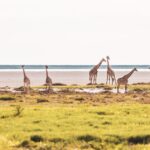
During the dry season, the weather is hot and dry, with little to no rainfall. The days are sunny and warm, with temperatures ranging from 25°C to 35°C. However, the nights can be chilly, with temperatures dropping to as low as 5°C. The dry season is the best time to visit Namibia for wildlife safaris, as the animals tend to congregate around waterholes, making them easier to spot.

On the other hand, the rainy season is characterized by high temperatures and occasional thunderstorms. The days are hot and humid, with temperatures ranging from 30°C to 40°C. The nights are warm, with temperatures ranging from 15°C to 25°C. The rainy season is the best time to visit Namibia for bird watching, as the country’s birdlife is most active during this time.

When is the best time to visit?

The best time to visit Namibia depends on the activities you plan to undertake. If you are interested in wildlife safaris, the dry season is the best time to visit. During this time, the animals tend to congregate around waterholes, making them easier to spot. Additionally, the dry season is the best time to visit the country’s national parks, as the roads are dry and easily accessible.

However, if you are interested in bird watching, the rainy season is the best time to visit. During this time, the country’s birdlife is most active, and the vegetation is lush and green, providing a beautiful backdrop for bird watching.

What to pack?

When packing for a trip to Namibia, it is essential to consider the country’s climate and weather patterns. If you are visiting during the dry season, pack light, breathable clothing, such as cotton t-shirts, shorts, and skirts. Additionally, pack warm clothing for the chilly nights, such as a jacket or sweater. It is also essential to pack sunscreen, a hat, and sunglasses to protect yourself from the sun’s harsh rays.

If you are visiting during the rainy season, pack light, breathable clothing that dries quickly, such as synthetic t-shirts, shorts, and skirts. Additionally, pack waterproof clothing, such as a rain jacket or poncho, to protect yourself from the occasional thunderstorms. It is also essential to pack insect repellent, as the rainy season is the breeding season for mosquitoes.

Conclusion

In conclusion, Namibia is a beautiful country with a unique climate and weather patterns. Understanding the country’s climate is essential when planning a trip to ensure a comfortable and enjoyable experience. The dry season is the best time to visit for wildlife safaris, while the rainy season is the best time to visit for bird watching. When packing for a trip to Namibia, it is essential to consider the country’s climate and weather patterns to ensure you have everything you need for a comfortable and enjoyable trip.

  • Print
  • +-
    Font Size