“Discover Namibia’s rich cultural tapestry for a truly immersive travel experience.”
Related
All related contents.
Related Posts

Experience the untamed wilderness of Bwabwata National Park in Namibia’s Caprivi Strip.

Experience the raw beauty and untamed wilderness of Etosha National Park in Namibia.

Experience the haunting beauty of Kolmanskop Ghost Town in Namibia.

Discover the ancient artistry of Namibia’s Twyfelfontein Rock Engravings, a UNESCO World Heritage Site.

Discover the rich history and breathtaking beauty of Diaz Point in Lüderitz, Namibia.

Experience the rugged beauty of Namibia at Spitzkoppe Mountain.

Discover the beauty of Namibia’s coastal gem at Walvis Bay: where nature and industry meet.

Pay tribute to Namibia’s heroes at Windhoek’s Heroes’ Acre.

Discover the beauty of Namibia’s Swakopmund through the historic jetty’s stunning vistas.

Discover the wonders of Namibian marine life at Swakopmund Aquarium.

Namibia Swakopmund – Where history meets adventure.

Discover Namibia’s rich cultural, historical, and natural heritage at Swakopmund Museum – the largest privately run museum in the country.
Christuskirche: A serene landmark of Namibia’s rich history and culture.
Jump into adventure with Swakopmund Skydiving Club in Namibia’s breathtaking scenery.

Discover the surreal beauty of Namibia’s Sossusvlei and Deadvlei, a photographer’s paradise amidst towering sand dunes and a striking white clay pan.
Namibia’s Lüderitz: A blend of history and beauty.
Discover the natural wonders of Namibia at Waterberg Plateau Park.

Namibia Uncovered: A Comprehensive Guide to the Country

Experience the essence of Namibia’s history and culture in Windhoek.
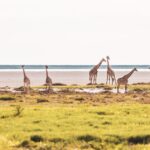
Discover the untamed beauty of Namibia’s Etosha National Park.

Experience Namibia’s journey to independence at Windhoek’s premier museum.