ROAMOPEDIA
Muscat
Discover the fusion of tradition and modernity in Muscat, Oman’s captivating capital city.
“Discover the fusion of tradition and modernity in Muscat, Oman’s captivating capital city.”

Muscat

Oman Muscat – The vibrant capital city of Oman

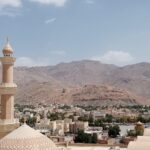
Nestled between the Al Hajar Mountains and the Arabian Sea, Muscat is the vibrant capital city of Oman. Known for its rich history, stunning architecture, and friendly locals, Muscat is a must-visit destination for anyone traveling to Oman.

One of the first things visitors notice about Muscat is the beautiful blend of traditional and modern architecture. The city’s historic landmarks, such as the Sultan Qaboos Grand Mosque and the Al Jalali Fort, stand alongside modern skyscrapers and shopping malls. This unique mix of old and new is a testament to Oman’s commitment to preserving its heritage while embracing progress.

Another highlight of Muscat is its stunning coastline. The city’s beaches, such as Qurum Beach and Al Bustan Beach, are some of the most beautiful in the region. Visitors can enjoy a swim in the crystal-clear waters, relax on the soft sand, or take a stroll along the promenade.

Muscat is also famous for its souks, or traditional markets. The Muttrah Souk, in particular, is a must-visit for anyone looking to experience the local culture. Here, visitors can browse through a wide variety of goods, including spices, textiles, and jewelry, while soaking up the vibrant atmosphere.

Foodies will also find plenty to love in Muscat. The city is home to a diverse range of restaurants, serving everything from traditional Omani cuisine to international favorites. Seafood lovers, in particular, will be in heaven, as Muscat is known for its fresh and delicious seafood dishes.

For those looking to learn more about Omani culture and history, Muscat has plenty of museums and cultural institutions to explore. The Bait Al Zubair Museum, for example, is a fascinating look at Oman’s rich cultural heritage, while the National Museum of Oman offers a comprehensive overview of the country’s history and traditions.

One of the best ways to experience Muscat is by taking a tour. There are plenty of tour operators in the city offering everything from city tours to desert safaris. A tour of the city’s landmarks and attractions is a great way to get your bearings and learn more about Muscat’s history and culture.

Finally, no visit to Muscat would be complete without a trip to the nearby Wahiba Sands. This vast desert is home to some of the most stunning scenery in Oman, with towering sand dunes, rugged mountains, and crystal-clear wadis. Visitors can take a camel ride, go dune bashing, or simply enjoy the peace and tranquility of the desert.

Muscat is a vibrant and fascinating city that offers something for everyone. Whether you’re interested in history, culture, food, or simply relaxing on the beach, Muscat is a destination you won’t want to miss. So why not book your trip today and discover all that this beautiful city has to offer?

Sultan Qaboos Grand Mosque

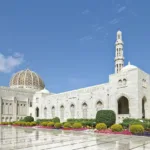
Oman Muscat is a vibrant capital city that is home to a range of attractions and landmarks. One of the most impressive and notable of these landmarks is the Sultan Qaboos Grand Mosque. This magnificent mosque is a symbol of the Islamic faith and a testament to the beauty and grandeur of Islamic architecture.

The Sultan Qaboos Grand Mosque is one of the largest mosques in the world, covering an area of over 40,000 square meters. The mosque can accommodate up to 20,000 worshippers at any one time, making it a popular destination for both locals and tourists alike.

The mosque was completed in 2001 and was named after Sultan Qaboos bin Said Al Said, the current Sultan of Oman. The mosque was designed by a team of architects and engineers, and its construction involved the use of high-quality materials such as marble, gold, and crystal.

One of the most striking features of the mosque is its main prayer hall, which is adorned with a beautiful chandelier made of Swarovski crystals. The chandelier is one of the largest in the world, weighing over eight tonnes and measuring over 14 meters in height.

The mosque also boasts a stunning minaret that stands at over 90 meters in height. The minaret is adorned with intricate Islamic calligraphy and serves as a focal point for the mosque’s exterior.

Visitors to the mosque are welcome to explore its grounds and take in the beauty of its architecture and design. The mosque’s courtyard is home to a number of fountains and gardens, creating a peaceful and serene atmosphere for visitors to enjoy.

In addition to its architectural beauty, the Sultan Qaboos Grand Mosque is also an important center for Islamic education and culture. The mosque houses a library that contains a vast collection of Islamic texts and literature, as well as a lecture hall that is used for religious and cultural events.

Overall, the Sultan Qaboos Grand Mosque is a must-see destination for anyone visiting Oman Muscat. Its grandeur and beauty are a testament to the rich history and culture of the Islamic faith, and its role as a center for education and culture makes it a truly unique and special place. Whether you are a devout follower of Islam or simply appreciate beautiful architecture and design, the Sultan Qaboos Grand Mosque is a must-visit destination in Oman Muscat.

Royal Opera House

Oman Muscat – The Vibrant Capital City of Oman

Nestled between the Gulf of Oman and the Al Hajar Mountains, Muscat is the vibrant capital city of Oman. Known for its stunning landscapes, rich cultural heritage, and modern amenities, Muscat is a must-visit destination for anyone looking to explore the best of the Middle East.

One of the city’s most iconic landmarks is the Royal Opera House, which opened its doors in 2011. Designed by renowned architects Wimberly, Allison, Tong & Goo (WATG), the Opera House is a stunning example of modern Omani architecture. The building’s exterior is made of sandstone and marble, while the interior features intricate wood carvings and elaborate chandeliers.

The Royal Opera House is not just a beautiful building, but also a cultural hub that hosts a range of performances throughout the year. From classical music concerts to ballet performances and opera shows, the Opera House has something for everyone. The venue also offers guided tours, giving visitors a chance to explore the building’s stunning architecture and learn more about Oman’s rich cultural heritage.

Aside from the Royal Opera House, Muscat has plenty of other attractions to offer visitors. One of the city’s most popular tourist spots is the Sultan Qaboos Grand Mosque, which is one of the largest mosques in the world. The mosque’s stunning architecture features a blend of Islamic, Middle Eastern, and Omani design elements, making it a true masterpiece.

Another must-visit attraction in Muscat is the Mutrah Souq, a traditional Arab market that has been around for centuries. Here, visitors can explore a maze of narrow alleyways lined with shops selling everything from spices and textiles to jewelry and souvenirs. The souq is also a great place to sample some of Oman’s traditional cuisine, with street vendors selling everything from shawarma to falafel.

For those looking to experience Muscat’s natural beauty, the city has plenty of options to choose from. One of the most popular attractions is the Al Alam Palace, which is located in the heart of the city and surrounded by lush gardens and fountains. Visitors can take a stroll through the palace grounds and admire the stunning architecture, or simply relax and enjoy the peaceful surroundings.

Another popular natural attraction in Muscat is the Qurum Beach, which is known for its clear blue waters and pristine white sand. The beach is a great place to relax and soak up the sun, or to go for a swim in the warm waters of the Gulf of Oman.

Overall, Muscat is a vibrant and dynamic city that has something for everyone. Whether you’re interested in exploring Oman’s rich cultural heritage, experiencing its natural beauty, or simply relaxing and enjoying the city’s modern amenities, Muscat is a destination that should not be missed.

Mutrah Souq

Oman Muscat – The vibrant capital city of Oman

Muscat, the capital city of Oman, is a vibrant and bustling city known for its stunning architecture, rich history, and vibrant culture. One of the most popular destinations in the city is the Mutrah Souq, a traditional Arab market that has been in operation for centuries. The souq is a must-visit for anyone looking to experience the sights, sounds, and smells of the city’s vibrant culture.

Located in the heart of Muscat, the Mutrah Souq is a labyrinth of narrow streets and alleyways lined with shops selling everything from traditional Omani clothing and jewelry to spices, perfumes, and souvenirs. The souq is divided into several sections, each specializing in a particular type of merchandise. Visitors can explore the textile section, where they can find a range of fabrics, including silk, cotton, and wool, as well as traditional Omani clothing like dishdashas and kummas.

Another popular section of the souq is the perfume section, where visitors can find a wide range of fragrances, including traditional Omani perfumes made from natural ingredients like musk and frankincense. The spice section is also a must-visit, with vendors selling a wide range of spices, including saffron, cardamom, and cinnamon.

One of the most unique aspects of the Mutrah Souq is the architecture. The market is housed in traditional Arab-style buildings with wooden balconies and beautiful carved doors. The buildings are designed to keep the market cool even in the hot summer months, with narrow alleyways and high walls that provide shade and a gentle breeze.

Visitors to the souq should be prepared to haggle, as bargaining is a common practice in Oman. It’s important to remember that the vendors are often willing to negotiate, so it’s worth taking the time to find the best price.

In addition to shopping, the Mutrah Souq is also a great place to experience the local culture. Visitors can immerse themselves in the sights and sounds of the market, watching as vendors sell their wares and locals go about their daily business. The souq is also a great place to try traditional Omani food, with vendors selling a range of snacks and street food like shawarma, falafel, and samosas.

For those interested in history, the Mutrah Souq is also home to several historic landmarks, including the Mutrah Fort and the Sultan’s Palace. The fort dates back to the 16th century and was built to protect the city from invaders. Today, visitors can explore the fort and learn about its history, as well as enjoy stunning views of the city and the sea.

Overall, the Mutrah Souq is a must-visit for anyone traveling to Muscat. It’s a vibrant and bustling market that offers a unique glimpse into the city’s rich history and culture. Whether you’re looking for souvenirs, spices, or just want to experience the local culture, the Mutrah Souq is an unforgettable experience that’s not to be missed.

Al Alam Palace

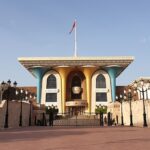
Oman Muscat is an enchanting city that is steeped in history and culture. The capital city of Oman is a bustling hub of activity, with a unique blend of ancient traditions and modern development. One of the most iconic landmarks in Muscat is the Al Alam Palace, which is the official residence of the Sultan of Oman.

Located in the heart of Muscat, the Al Alam Palace is an impressive sight to behold. The palace is surrounded by lush gardens and sits at the foot of the Al Jalali and Al Mirani forts, which were built in the 16th century. The palace itself is a stunning example of Islamic architecture, with its white and gold façade, ornate gates, and towering pillars.

The Al Alam Palace was built in 1972, and it is one of six royal residences of the Sultan of Oman. The palace is not open to the public, but visitors can admire its beauty from the outside. The palace is particularly stunning at night when it is illuminated by a series of floodlights.

One of the most striking features of the Al Alam Palace is its three-tiered entrance, which is flanked by two gold-topped towers. The entrance is guarded by members of the Royal Guard, who wear traditional Omani dress and carry ceremonial weapons. The guards are an important part of Omani culture, and their presence at the palace is a reminder of the country’s rich history and traditions.

The palace is also home to a number of beautiful gardens, which are open to the public. The gardens are filled with a variety of plants and trees, including palm trees, bougainvillea, and jasmine. Visitors can stroll through the gardens and enjoy the peaceful surroundings, which offer a welcome respite from the hustle and bustle of the city.

In addition to its beauty, the Al Alam Palace is also a symbol of Oman’s political stability and economic prosperity. The country has undergone significant development in recent years, and the palace is a testament to the country’s progress. Oman is known for its commitment to peace and stability in the region, and the Al Alam Palace is a symbol of the country’s desire to maintain good relations with its neighbors.

the Al Alam Palace is a must-see attraction for anyone visiting Muscat. Its stunning architecture, beautiful gardens, and rich history make it a truly unique and unforgettable experience. Although visitors cannot enter the palace itself, the exterior is a sight to behold, and the surrounding gardens offer a peaceful escape from the city. Oman Muscat is a city that is full of surprises, and the Al Alam Palace is just one of the many treasures waiting to be discovered.

Bait Al Zubair Museum

Bait Al Zubair Museum is one of the most visited tourist destinations in Oman Muscat. The museum provides an excellent opportunity for visitors to explore the rich cultural heritage of Oman.

The museum is located in a beautifully restored old house in the heart of Muscat. The building itself is a testament to the traditional architectural style of Oman. The house has been converted into a museum that showcases the cultural heritage of Oman, including its history, art, and traditions.

As you enter the museum, you will be greeted by a friendly staff who will provide you with a guidebook that contains information about the exhibits on display. The museum has a vast collection of artifacts, including traditional Omani clothing, jewelry, weapons, and household items.

One of the most impressive exhibits in the museum is the collection of traditional Omani doors. These doors are intricately carved and are a symbol of the country’s rich architectural heritage. The doors are made of different types of wood, each with its unique design and style.

The Bait Al Zubair Museum also has a section dedicated to Islamic art. The collection includes calligraphy, ceramics, and textiles from different parts of the Muslim world. The exhibits showcase the intricate designs and patterns that are hallmarks of Islamic art.

Another highlight of the museum is the section dedicated to Omani history. The exhibits provide an insight into the country’s past, including its political history, economy, and social structure. The museum has a vast collection of photographs, documents, and other artifacts that help visitors understand Oman’s history.

The Bait Al Zubair Museum also has a section dedicated to traditional Omani music. The exhibit showcases different types of musical instruments and provides visitors with an opportunity to listen to traditional Omani music.

Apart from the exhibits, the museum also has a beautiful courtyard that is perfect for a leisurely stroll. The courtyard is surrounded by traditional Omani architecture and provides an excellent backdrop for photographs.

The museum is open every day, and visitors can take a guided tour or explore the exhibits on their own. The admission fee is nominal, and the museum is an excellent value for money.

the Bait Al Zubair Museum is a must-visit destination for anyone interested in Oman’s rich cultural heritage. The exhibits are well-curated, and the museum provides an excellent opportunity to learn about the country’s history, art, and traditions. The museum is a testament to Oman’s commitment to preserving its cultural heritage and is a must-visit destination for anyone visiting Oman Muscat.

  • Print
  • +-
    Font Size