Health concerns and necessary vaccinations for travel to Panama.

Related
All related contents.
Related Posts
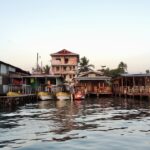
Discover the ultimate tropical paradise in Bocas del Toro, Panama.

Discover the charm and history of Panama’s Casco Viejo.

Discover the hidden gem of Panama’s Santa Catalina – where adventure meets paradise.

Experience the thrill of the cloud forest with Boquete Tree Trek.

Discover the natural wonders of Panama’s Boquete.

Discover the natural beauty and adventure of Panama’s Baru Volcano in Boquete.

The Ultimate Panama Adventure: Must-See Attractions and Destinations

Discover the beauty of Panama’s Pearl Islands on Isla Contadora.

Discover the wonders of Panama’s biodiversity at Biomuseo, an architectural masterpiece by Frank Gehry in Panama City.

Discover the rich history and culture of Panama’s Portobelo – a treasure trove of colonial-era forts and Afro-Panamanian heritage.
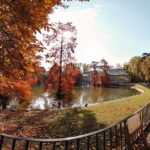
Explore the beauty of Panama City at the Metropolitan Natural Park.

Experience the beauty of Panama City and the Panama Canal from the picturesque Amador Causeway.

Discover paradise in Bocas del Toro, home to Bastimentos Island’s natural wonders.

Discover the underwater wonderland of Santa Catalina and Coiba National Park in Panama.

Discover the natural wonders of Panama’s El Valle de Anton.

Discover the natural wonders and rich heritage of Panama’s San Blas Islands in Guna Yala.

Escape to paradise on Panama’s Contadora Island – where luxury meets natural beauty.

Discover the rich history and natural beauty of Panama at Portobelo National Park.

Discover paradise on earth at Panama’s San Blas Islands.

Discover the blend of modernity and history in Panama City.

Discover the breathtaking beauty of Panama City from Ancon Hill.

Discover the engineering wonder of the Panama Canal at Miraflores Visitor Center.

Panama: Where the Americas meet. Panama City: The crossroads of the world. Panama Canal: Connecting two oceans, changing the world. A world-famous engineering marvel connecting the Atlantic and Pacific Oceans.

Discover the natural wonders of Panama at El Valle de Anton and El Nispero Zoo and Botanical Garden.