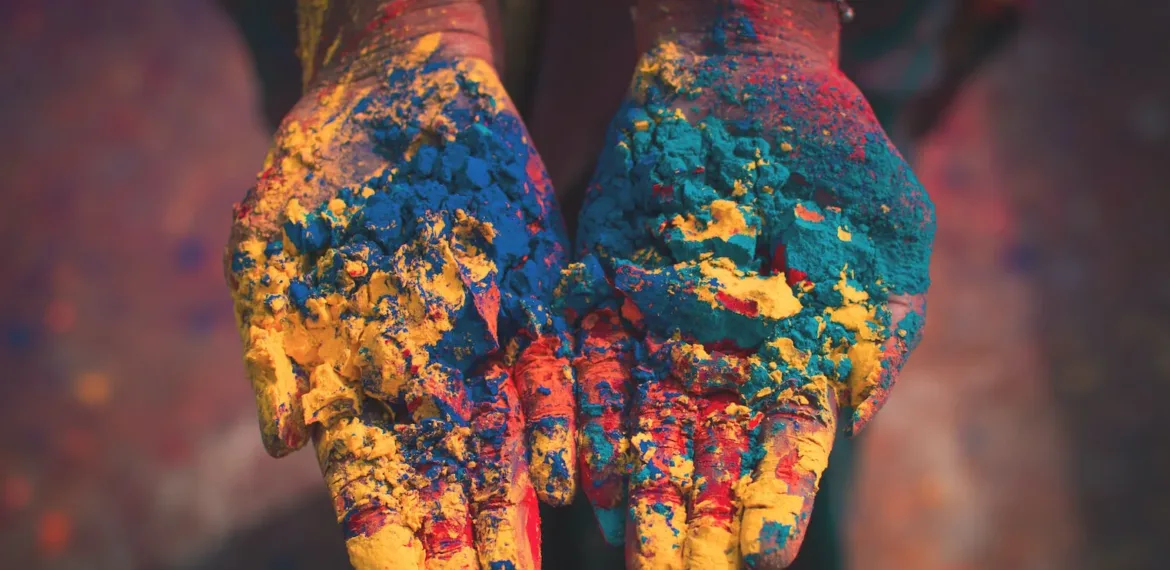
“Discover the rich and diverse culture of the Philippines to enhance your travel experience and show respect for local customs.”
Related
All related contents.
Related Posts

Discover the natural beauty and excitement of Tagaytay, Philippines.
Discover the untouched beauty of Siargao, a tropical haven for surfers and nature lovers alike.

Discover the wonders of the underwater world in Dumaguete’s Apo Island.

Discover the beauty of the Philippines through swimming with whale sharks in Oslob, Cebu.

Experience nature’s beauty at Burnham Park in Baguio, Philippines.

Step back in time and immerse yourself in the rich history of Vigan’s Calle Crisologo.

Experience paradise on earth at Boracay’s White Beach.

Discover the rich history and culture of Manila’s Intramuros.

Discover the beauty and culture of Cebu, Philippines.
Experience nature’s beauty at its finest in Coron’s Kayangan Lake.

Discover the enchanting heritage of Vigan, Philippines – where history and culture come alive.

Experience paradise on earth in Boracay, Philippines

Experience the beauty of Davao, Philippines – from majestic eagles to stunning landscapes.

Discover the rich history and spirituality of the Philippines at Basilica del Santo Niño in Cebu.

Discover the heart of the Philippines at Rizal Park in Manila.

Discover the awe-inspiring Hanging Coffins of Sagada, a testament to the rich cultural heritage of the Philippines’ Igorot people.

Experience the rich history and modern energy of Manila, Philippines.

Tagline: Discover the natural wonders of Palawan and El Nido in the Philippines.

Discover the beauty of Baguio: where nature, culture, and adventure meet.

Discover the wonders of Bohol: from chocolate hills to pristine beaches.

Discover the natural beauty of Cebu’s Kawasan Falls and immerse yourself in its crystal-clear waters.

Experience the natural wonder of Palawan’s Puerto Princesa Underground River, a must-see UNESCO World Heritage site.

Discover paradise on earth in Palawan, Philippines.

Discover the natural wonders of the Philippines in Davao and conquer the majestic Mount Apo.

Discover the sweetest wonders of Bohol’s Chocolate Hills.