Discover the charm of Romania’s cultural gem, Sibiu.
“Discover the charm of Romania’s cultural gem, Sibiu.”
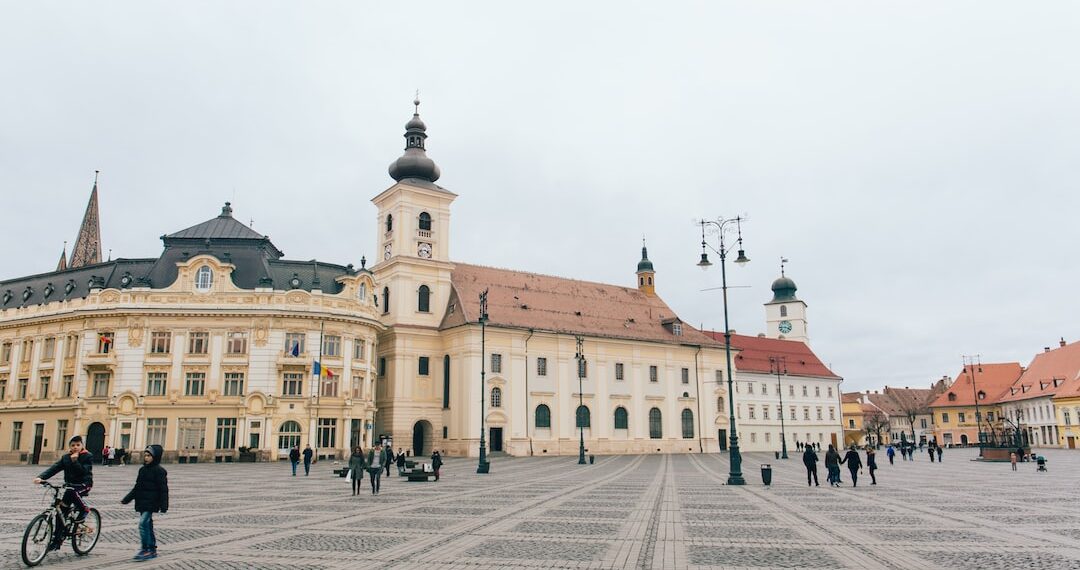
Sibiu
Romania’s Sibiu is a city that boasts a rich history, diverse culture, and stunning architecture. Located in the Transylvania region of the country, Sibiu is a popular destination for tourists seeking to explore the beauty of Romania. The city has a lot to offer, from museums to churches, parks, and more. In this guide, we will take you through some of the top cultural attractions in Sibiu that you should consider visiting.
One of the most iconic landmarks in Sibiu is the Brukenthal National Museum. This museum was founded in 1817 by Baron Samuel von Brukenthal, the governor of Transylvania at the time. The museum is home to a vast collection of art and artifacts, including paintings, sculptures, ceramics, and more. It is also one of the oldest museums in Europe, making it a must-visit destination for history buffs.
Another cultural attraction that you should consider visiting is the ASTRA Museum of Traditional Folk Civilization. This museum offers visitors a glimpse into the traditional way of life in Romania. It features over 300 buildings, including houses, churches, and workshops, that have been collected from different regions of the country. The museum also hosts traditional festivals and events throughout the year that allow visitors to experience Romanian culture firsthand.
If you are interested in religious architecture, then you should definitely visit the Evangelical Church in Sibiu. This church was built in the 14th century and is one of the most well-preserved Gothic buildings in Romania. It is also home to the largest pipe organ in the country, which has over 4,000 pipes. The church is open to visitors, and you can climb the tower to enjoy panoramic views of the city.
For those who love nature, the Sub Arini Park is a must-visit destination. This park is located in the heart of the city and covers an area of 100 hectares. It is the perfect place to relax and enjoy the natural beauty of Romania. The park has a lake, playgrounds, walking trails, and picnic areas. It is also home to the Sibiu Zoo, which features a variety of animals, including bears, wolves, and lynx.
If you are interested in the history of Sibiu, then you should consider visiting the Council Tower. This tower was built in the 13th century and was used as a guard tower and a prison in the past. Today, it is a museum that showcases the history of the city. Visitors can climb to the top of the tower to enjoy panoramic views of Sibiu.
Lastly, you should visit the Bridge of Lies. This bridge is located in the historic center of Sibiu and is one of the most iconic landmarks in the city. Legend has it that if you tell a lie while crossing the bridge, it will collapse. While this is just a myth, it adds to the charm and intrigue of the bridge. The Bridge of Lies is also a great spot to take photos and enjoy the beauty of Sibiu.
Sibiu is a city that is rich in culture and history. It offers visitors a wide range of cultural attractions, from museums to religious architecture, parks, and more. Whether you are a history buff, nature lover, or just looking for a charming destination to explore, Sibiu is definitely worth a visit. We hope that this guide has given you some insights into the top cultural attractions in Sibiu and inspires you to plan your next trip to this beautiful city.
Brukenthal National Museum
Nestled in the heart of the Transylvania region of Romania, Sibiu is a city that is steeped in history and culture. With its charming medieval streets, Gothic architecture, and vibrant cultural scene, Sibiu is a must-visit destination for anyone interested in exploring the rich heritage of Eastern Europe.
One of the top cultural attractions in Sibiu is the Brukenthal National Museum, which is located in the city’s historic center. The museum is named after Samuel von Brukenthal, a former governor of Transylvania who was an avid art collector. The museum’s collection includes over 1,200 paintings, sculptures, and decorative arts, as well as an extensive library and archive.
One of the highlights of the museum is the Gallery of Old Masters, which features works by famous European artists such as Jan van Eyck, Peter Paul Rubens, and Rembrandt. The gallery also includes a collection of Romanian art, which showcases the country’s rich artistic heritage.
Another must-see attraction at the Brukenthal National Museum is the Museum of History and Ethnography, which provides visitors with a glimpse into the daily lives of Transylvanian peasants and nobles. The museum’s collection includes traditional clothing, household items, and tools, as well as a fascinating display of medieval weaponry.
In addition to the Brukenthal National Museum, Sibiu is home to a number of other cultural attractions that are well worth a visit. The ASTRA Museum of Traditional Folk Civilization is a unique open-air museum that features over 400 traditional buildings from across Romania, including homes, churches, and windmills.
For those interested in contemporary art, the Sibiu International Theatre Festival is a must-see event. Held annually in June, the festival brings together artists and performers from around the world for a week-long celebration of theater, dance, and music.
Sibiu is also home to a number of historic churches and cathedrals, including the Evangelical Church of St. John, which dates back to the 14th century. The church’s Gothic architecture and stunning stained-glass windows make it a must-see attraction for anyone visiting Sibiu.
Visitors to Sibiu can also explore the city’s medieval walls and fortifications, which date back to the 12th century. The walls offer stunning views of the city and are a great way to get a sense of Sibiu’s rich history.
Of course, no visit to Sibiu would be complete without sampling some of the region’s delicious cuisine. Romanian cuisine is known for its hearty stews, grilled meats, and savory pastries, and Sibiu is home to a number of excellent restaurants and cafes where visitors can sample these traditional dishes.
Overall, Sibiu is a city that is packed with cultural attractions and historical landmarks. Whether you’re interested in art, history, or simply soaking up the atmosphere of a charming medieval town, Sibiu has something to offer everyone. So why not plan a visit to this hidden gem of Eastern Europe and discover the charm and beauty of Sibiu for yourself?
Council Tower
Romania’s Sibiu is a city that has long been known for its charm and cultural attractions. Located in the heart of Transylvania, this city is a perfect destination for travelers who are looking for a mix of history, culture, and natural beauty. In this article, we will guide you through Sibiu’s top cultural attractions, starting with the Council Tower.
The Council Tower is one of Sibiu’s most iconic landmarks and a must-visit for anyone traveling to the city. This tower dates back to the 13th century and was originally used as a defensive structure. Today, it stands as a symbol of Sibiu’s rich history and culture. Visitors can climb to the top of the tower and enjoy breathtaking views of the city. The tower also houses a museum that showcases the history of Sibiu and its people.
Another cultural attraction that should not be missed is the Brukenthal National Museum. This museum is one of the oldest and most important museums in Romania. It was founded in the late 18th century by the governor of Transylvania, Samuel von Brukenthal, and houses an impressive collection of art and artifacts from around the world. The museum is located in a beautiful Baroque palace and is divided into several sections, including European Art, Romanian Art, and the History of Transylvania.
For those interested in architecture, Sibiu’s Historic Center is a must-see. This area is filled with beautiful buildings and narrow cobblestone streets that date back to the Middle Ages. The area was once the center of Sibiu’s commercial and political life and is now a UNESCO World Heritage Site. Visitors can wander through the streets and admire the colorful buildings, visit local shops and restaurants, and soak in the atmosphere of this charming city.
The ASTRA National Museum Complex is another cultural attraction that should not be missed. This open-air museum showcases the traditional way of life in Romania and is spread out over a large area. Visitors can explore the various exhibits, which include traditional houses, churches, and workshops. The museum also hosts events and festivals throughout the year, including a popular Christmas market.
For those interested in music, Sibiu’s Philharmonic is a must-visit. This beautiful building dates back to the 18th century and is home to the Sibiu State Philharmonic Orchestra. The orchestra performs a wide range of classical and contemporary music and is considered one of the best in Romania. Visitors can attend concerts throughout the year and enjoy the beautiful acoustics of the hall.
Finally, no visit to Sibiu would be complete without a visit to the Evangelical Cathedral. This beautiful church dates back to the 14th century and is one of the most important religious buildings in Romania. The cathedral is located in the heart of the Historic Center and is known for its beautiful Gothic architecture and stunning stained glass windows. Visitors can attend services or simply admire the beauty of this impressive building.
Sibiu is a city that is rich in culture and history. From the Council Tower to the Evangelical Cathedral, there are countless cultural attractions to explore. Whether you are interested in art, architecture, or music, there is something for everyone in this charming Transylvanian city. So why not plan a trip to Sibiu today and discover the charm of this beautiful city for yourself?
Liar’s Bridge
Romania’s Sibiu is a charming city located in the heart of Transylvania. It is known for its rich cultural history, stunning architecture, and picturesque surroundings. Sibiu has been named the European Capital of Culture in 2007, and it’s easy to see why. The city has a lot to offer, from museums and galleries to festivals and events. One of the top cultural attractions in Sibiu is the Liar’s Bridge.
The Liar’s Bridge is an iconic landmark in Sibiu that dates back to the 19th century. It is a pedestrian-only bridge that spans over the Small Tarnava River. The bridge is named after the local legend that says anyone who tells a lie while standing on the bridge will fall through the wooden planks and into the river below.
The Liar’s Bridge is a beautiful example of Sibiu’s Gothic architecture. It is made of wood and has a unique arched shape that gives it a distinctive look. The bridge is also decorated with intricate carvings and has a small balcony that offers a stunning view of the river and the surrounding area.
The Liar’s Bridge is not only a tourist attraction but also a popular spot for locals. It is a great place to take a stroll and enjoy the scenery. The bridge is also a popular spot for photographers, who come to capture the beauty of the bridge and the river.
If you’re planning a trip to Sibiu, the Liar’s Bridge is a must-visit attraction. It is a great place to learn about the city’s history and culture while enjoying the beautiful surroundings. The bridge is also a great place to take a break from the hustle and bustle of the city and relax in a peaceful setting.
In addition to the Liar’s Bridge, Sibiu has many other cultural attractions that are worth visiting. The city has a rich history that is reflected in its museums and galleries. The Brukenthal National Museum is one of the top museums in the city, featuring a vast collection of art and artifacts from around the world. The Astra National Museum Complex is another popular attraction, showcasing the history and culture of the Transylvania region.
Sibiu is also known for its festivals and events. The city hosts several festivals throughout the year, celebrating everything from music and dance to food and wine. The most popular festival in Sibiu is the International Theatre Festival, which attracts performers and theater enthusiasts from around the world.
If you’re looking for a unique cultural experience, Sibiu is the perfect destination. The city has a lot to offer, from its stunning architecture and museums to its festivals and events. Whether you’re a history buff, an art lover, or just looking for a beautiful place to relax, Sibiu has something for everyone.
the Liar’s Bridge is a beautiful and iconic landmark in Sibiu that is worth visiting. It is a great place to learn about the city’s history and culture while enjoying the beautiful surroundings. Sibiu has many other cultural attractions that are worth visiting, including museums, galleries, and festivals. If you’re planning a trip to Romania, be sure to add Sibiu to your itinerary.
ASTRA National Museum Complex
Romania’s Sibiu is a city that is steeped in history and culture, with a range of attractions that will appeal to visitors of all ages. One of the top cultural attractions in Sibiu is the ASTRA National Museum Complex, which offers a fascinating insight into Romania’s rural heritage.
The ASTRA National Museum Complex is a sprawling open-air museum that covers an area of more than 100 hectares. It is home to a collection of more than 300 buildings that have been transported from across Romania and reassembled on the site. The buildings include traditional houses, churches, windmills, and watermills, as well as workshops, barns, and other structures that were once part of rural life in Romania.
Visitors to the ASTRA National Museum Complex can explore the buildings and learn about the different aspects of Romanian rural life. There are exhibits on agriculture, crafts, and traditional costumes, as well as demonstrations of traditional crafts such as weaving, pottery, and blacksmithing. Visitors can also see examples of traditional Romanian folk art, including woodcarvings, painted eggs, and woven textiles.
One of the highlights of the ASTRA National Museum Complex is the collection of traditional houses from across Romania. The houses have been carefully restored and furnished to show how people lived in different parts of the country in the past. Visitors can see the differences in architecture, decoration, and furnishings between the different regions, as well as learn about the customs and traditions of each area.
Another popular attraction at the ASTRA National Museum Complex is the collection of windmills and watermills. These structures were once an important part of rural life in Romania, providing power for grinding grain and other tasks. Visitors can see how the mills worked and learn about the different types of mills that were used in Romania.
The ASTRA National Museum Complex also has a range of activities and events throughout the year. These include traditional festivals, craft fairs, and workshops where visitors can learn traditional crafts and skills. There are also guided tours of the museum, as well as educational programs for schools and groups.
Overall, the ASTRA National Museum Complex is a must-visit attraction for anyone interested in Romanian culture and history. With its range of exhibits, demonstrations, and activities, it offers a fascinating insight into rural life in Romania and the customs and traditions of the country’s different regions. Whether you are a history buff, a culture vulture, or just looking for a fun day out, the ASTRA National Museum Complex is definitely worth a visit.