“Stay healthy while exploring Slovakia: Important vaccinations and health precautions to consider before your trip.”

Related
All related contents.
Related Posts
Discover the beauty of Slovakia at Štrbské Pleso.
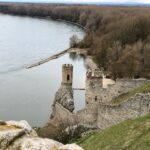
Discover the beauty of Slovakia at Devin Castle.

Discover the charm of traditional Slovak village life in Vlkolinec.

Discover the beauty and adventure of Banská Bystrica, Slovakia’s hidden gem.

Discover the beauty of Slovakia’s St. Martin’s Cathedral – a masterpiece of Gothic architecture and art.
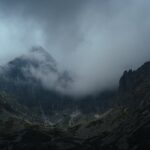
Discover the breathtaking beauty of Lomnicky Peak in Slovakia’s High Tatras.

Discover the natural beauty of Slovakia’s High Tatras at Strbske Pleso.

Awe-inspiring Orava Castle: A must-see destination in Slovakia’s picturesque Orava region.

A Traveler’s Paradise: The Essential Guide to Slovakia’s Tourism Highlights

Discover the beauty and adventure of Slovakia’s High Tatras from the vibrant city of Poprad.

Experience the enchantment of Bojnice Castle in Slovakia’s picturesque countryside.

Discover the enchanting Old Town of Bratislava, Slovakia.

Experience the magic of medieval Europe in Bardejov Old Town, Slovakia’s UNESCO World Heritage gem.
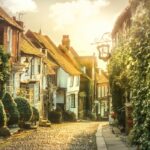
Slovakia’s historic gem – Banska Stiavnica’s Old Town
Discover the beauty and culture of Košice, Slovakia’s second-largest city.

Discover the charm of Slovakia’s vibrant city – Prešov.

Tagline: Explore the frozen beauty of Demanovska Ice Cave in Slovakia’s Demanovska Valley with guided tours for an unforgettable experience.
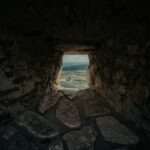
Discover the medieval grandeur of Spis Castle in Slovakia.

Discover the charm and culture of Žilina, Slovakia.

Discover the beauty of Slovakia’s Levoca and marvel at the world’s highest wooden altar in St. James Church.
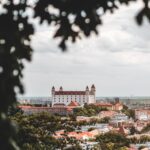
Discover the beauty and history of Slovakia’s capital city, Bratislava.

Discover the enchanting beauty of Trenčín, Slovakia’s hidden gem.

Slovakia’s Trnava: A city of historic churches, charming streets, and vibrant culture.
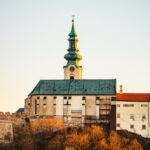
Discover the timeless charm of Slovakia’s Nitra: where history meets beauty.