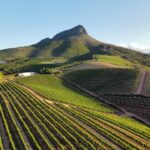
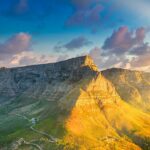
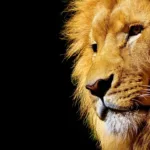
Kruger National Park: A majestic sanctuary for Africa’s Big Five and a haven of diverse wildlife and landscapes.
“Kruger National Park: A majestic sanctuary for Africa’s Big Five and a haven of diverse wildlife and landscapes.”
South Africa’s Kruger National Park: A Haven for the Big Five
Nestled in the northeastern corner of South Africa lies one of Africa’s largest and most diverse game reserves, Kruger National Park. This expansive park, covering approximately 19,485 square kilometers (7,523 square miles), is a haven for nature enthusiasts and wildlife photographers alike. With its vast landscapes ranging from savannas and grasslands to dense forests and riverine bushveld, Kruger National Park offers visitors a unique and unforgettable experience.
The park’s claim to fame is undoubtedly its wildlife. As home to the Big Five – the African elephant, African leopard, African lion, African buffalo, and the rhinoceros – Kruger National Park provides an unparalleled opportunity to witness these majestic animals in their natural habitat. However, the park’s impressive biodiversity doesn’t end there; it is also home to over 140 other species of mammals, 500 species of birds, 110 species of reptiles, and countless species of insects and plants. This makes Kruger National Park a veritable paradise for nature lovers, and a must-visit destination for anyone passionate about preserving the world’s natural heritage.
The history of Kruger National Park dates back to the late 19th century when it was first established as the Sabie Game Reserve by the then-president of the Transvaal Republic, Paul Kruger. Recognizing the need to protect the area’s dwindling wildlife populations from the ravages of hunting and habitat destruction, Kruger’s vision was to create a protected area where animals could roam freely and thrive. In 1926, the park was expanded and renamed Kruger National Park in his honor, and it has since grown to become one of the most famous and well-managed game reserves in Africa.
One of the best ways to explore Kruger National Park is by embarking on a guided game drive. These drives, which can be organized through various tour operators or the park itself, allow visitors to traverse the park in specially designed open-air vehicles, providing an up-close and personal experience with the park’s wildlife. Accompanied by knowledgeable and experienced rangers, these drives typically take place in the early morning and late afternoon, when the animals are most active, and offer the best chances of spotting the elusive Big Five.
For those who prefer a more active and immersive experience, guided bush walks are also available. These walks, led by armed rangers, provide an opportunity to explore the park on foot and learn about the smaller, often overlooked aspects of the park’s ecosystem, such as plants, insects, and tracks. Walking through the bush also allows for a heightened sense of connection to the natural environment, and the thrill of knowing that you are sharing the same space as the park’s wild inhabitants.
In addition to game drives and bush walks, Kruger National Park offers a variety of accommodation options to suit all tastes and budgets. From basic campgrounds and affordable rondavels (round thatched-roof huts) to luxurious lodges and private game reserves, there is something for everyone. Most accommodations are situated within the park itself, allowing for easy access to game viewing activities and the chance to fall asleep to the sounds of the African bush.
One unique feature of Kruger National Park is its network of well-maintained, mostly tarred roads that allow for self-drive safaris. This option is popular among those who prefer the freedom and flexibility of exploring the park at their own pace, and it is also more budget-friendly than guided game drives. However, it is important to note that driving off the designated roads is strictly prohibited, and visitors must remain in their vehicles at all times when in the presence of wildlife.
For birdwatching enthusiasts, Kruger National Park is a treasure trove of avian diversity. With over 500 species of birds recorded within its boundaries, the park offers ample opportunities for sighting both endemic and migratory species. Some of the most sought-after birds include the Southern ground hornbill, the saddle-billed stork, and the colorful lilac-breasted roller. The best time to visit for birdwatching is during the summer months, when the park’s resident population is joined by migratory species from the northern hemisphere.
While the Big Five and other large mammals are undoubtedly the star attractions of Kruger National Park, the park also boasts a wealth of smaller, equally fascinating creatures. These include the African wild dog, the highly endangered black rhinoceros, the reclusive pangolin, and the bizarre-looking aardvark. Visitors who take the time to search for these lesser-known species are often rewarded with unique and memorable sightings.
Kruger National Park’s diverse range of landscapes also provides a backdrop for a variety of plant life, ranging from towering baobab trees and marula trees to delicate wildflowers and succulents. The park’s vegetation plays a crucial role in supporting its rich biodiversity, providing food, shelter, and breeding grounds for its many inhabitants. Different regions of the park are characterized by distinct vegetation types, and exploring these varied environments can be a fascinating experience in itself.
As one of Africa’s largest game reserves, Kruger National Park is not only a haven for wildlife but also an important center for research and conservation efforts. The park’s management works closely with local communities, researchers, and other stakeholders to ensure that the park’s ecosystems are protected and that its wildlife populations remain healthy and stable. Through ongoing monitoring, anti-poaching efforts, and habitat restoration programs, Kruger National Park serves as a model for sustainable wildlife management and ecotourism on the African continent.
In conclusion, Kruger National Park is a true gem in South Africa’s crown, offering visitors a unique opportunity to experience Africa’s unparalleled natural beauty and diverse wildlife. Whether you’re an avid wildlife enthusiast, a keen birdwatcher, or simply looking for a once-in-a-lifetime adventure, Kruger National Park is the perfect destination for an unforgettable African safari experience.