Discover the beauty and culture of Busan, South Korea’s hidden gem.
“Discover the beauty and culture of Busan, South Korea’s hidden gem.”
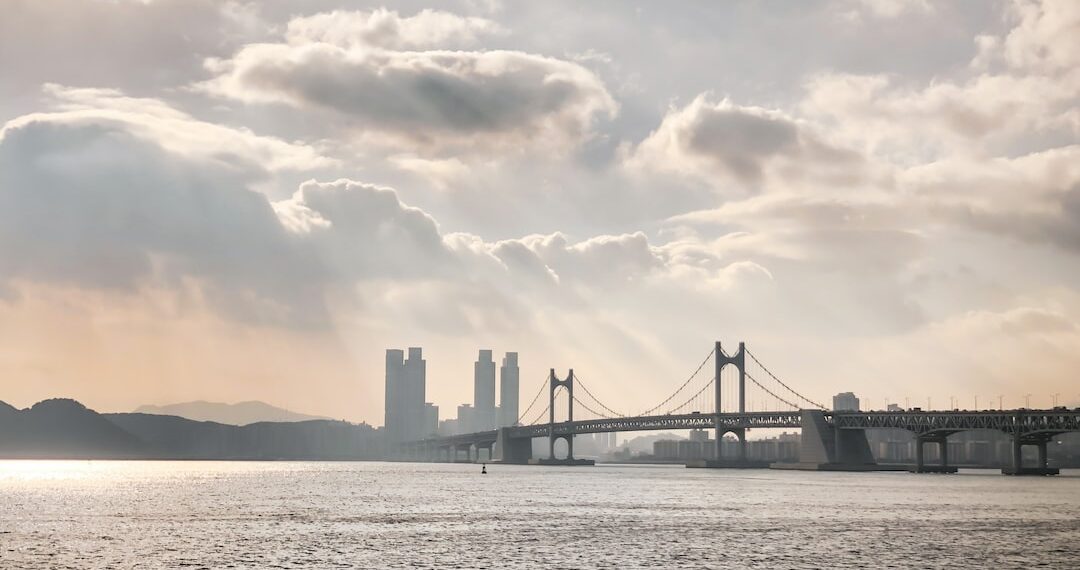
Busan
When it comes to exploring South Korea, Busan is a city that should not be overlooked. As the country’s second-largest city, Busan offers a unique blend of modernity and traditional culture. From stunning beaches to ancient temples, there is something for everyone in this vibrant city.
One of the must-see attractions in Busan is the Gamcheon Culture Village. This colorful hillside village is filled with brightly painted houses and narrow alleys that wind their way up the hill. Visitors can explore the village on foot and soak in the vibrant atmosphere. The village is also home to a number of art galleries and cafes, making it the perfect place to spend an afternoon.
Another must-visit attraction in Busan is the Haedong Yonggungsa Temple. This temple is unique in that it is one of the few in South Korea that is located right on the coast. Visitors can take in stunning ocean views while exploring the temple’s many halls and shrines. The temple is particularly beautiful during sunrise or sunset, when the light illuminates the ocean and temple in a magical way.
For those looking to relax and soak up some sun, Busan has a number of beautiful beaches. Haeundae Beach is one of the most popular, with its long stretch of sand and numerous restaurants and cafes. Gwangalli Beach is another popular choice, particularly at night when the city’s skyline is lit up and reflected in the water.
One of the best ways to experience Busan’s traditional culture is by visiting the Jagalchi Fish Market. This bustling market is one of the largest in South Korea and is a hub for fresh seafood. Visitors can peruse the many stalls selling everything from live octopus to sea squirts, and even sample some of the fresh catches at one of the many restaurants in the market.
For those interested in history, Busan has a number of museums and cultural sites to explore. The Busan Museum of Art is a great place to start, with its impressive collection of modern and contemporary Korean art. The Busan Museum is also worth a visit, with its exhibits on the city’s history and culture. The United Nations Memorial Cemetery is another important site, serving as a tribute to the soldiers who fought and died in the Korean War.
No trip to Busan would be complete without sampling some of the city’s delicious food. One of the most popular dishes is the raw fish soup, known as hoe guk. This hearty soup is made with fresh fish and served with rice and a variety of side dishes. Another local favorite is the ssiat hotteok, a sweet pancake filled with seeds and nuts.
Overall, Busan is a city that offers something for everyone. Whether you’re interested in history, culture, or just soaking up some sun on the beach, this vibrant city has it all. So the next time you’re planning a trip to South Korea, be sure to put Busan on your itinerary. You won’t be disappointed.
Haeundae Beach
Busan, South Korea’s second-largest city, is a must-visit destination for travelers looking to experience the country’s vibrant culture, delicious cuisine, and stunning natural beauty. One of the city’s top attractions is Haeundae Beach, a long, sandy stretch of coastline that draws millions of visitors every year.
Located in the eastern part of the city, Haeundae Beach is easily accessible by public transportation, including the subway and bus. The beach is open year-round, but the best time to visit is during the summer months, when the weather is warm and sunny. Visitors can enjoy swimming, sunbathing, and a variety of water sports, including surfing, kayaking, and paddleboarding.
Aside from its beautiful beach, Haeundae is also known for its lively atmosphere and abundance of restaurants, cafes, and bars. Visitors can enjoy fresh seafood, traditional Korean dishes, and international cuisine, as well as a range of beverages, from local beers to imported wines. The area is particularly popular at night, when it comes alive with music, dancing, and entertainment.
Those looking for a more peaceful experience can explore the nearby Dongbaek Island, a small peninsula that offers stunning views of the ocean and surrounding mountains. The island is home to a number of walking trails, as well as the Dongbaekseom Lighthouse, a historic structure that dates back to the early 20th century.
Another popular attraction in the area is the Busan Aquarium, which is located just a short walk from Haeundae Beach. The aquarium features a wide range of marine life, including sharks, dolphins, and sea turtles, as well as interactive exhibits and educational programs for visitors of all ages.
For those interested in history and culture, Haeundae also offers a number of museums and temples to explore. The Busan Museum of Art features a collection of contemporary works by Korean and international artists, while the Haedong Yonggungsa Temple offers a glimpse into the country’s rich Buddhist heritage. Visitors can also explore the Busan Modern History Museum, which showcases the city’s development over the past century, or the Bokcheon Museum, which features artifacts from the ancient Gaya kingdom.
Overall, Haeundae Beach is an essential stop on any trip to Busan, offering a perfect blend of natural beauty, cultural attractions, and lively entertainment. Whether you’re looking to relax on the sand, explore the local cuisine, or immerse yourself in Korean history and culture, this vibrant neighborhood has something for everyone. So pack your bags, grab your sunscreen, and get ready to discover the best of Busan!
Gamcheon Culture Village
Busan, located on the southern coast of South Korea, is the country’s second-largest city. Known for its stunning beaches, bustling markets, and rich cultural heritage, Busan is a must-visit destination for anyone traveling to South Korea. One of the city’s most popular attractions is the Gamcheon Culture Village, a colorful hillside neighborhood that has become a hub for artists and tourists alike.
The Gamcheon Culture Village, also known as the “Machu Picchu of Busan,” is a maze-like neighborhood that sprawls across a hillside overlooking the sea. The village was originally a shantytown that was built by refugees during the Korean War, but it has since been transformed into a vibrant community that celebrates art, culture, and history.
One of the most striking features of the Gamcheon Culture Village is its colorful houses, which are painted in a rainbow of hues that create a stunning visual spectacle. The colors are said to have been inspired by the traditional Korean hanbok, a type of dress that is often worn during special occasions. The houses are also decorated with murals, sculptures, and other artistic installations, which add to the village’s whimsical atmosphere.
Visitors to the Gamcheon Culture Village can explore the neighborhood’s narrow alleys and steep staircases, which wind their way up and down the hillside. Along the way, they can discover hidden cafes, galleries, and shops that sell everything from handmade crafts to traditional Korean snacks. The village is also home to several art installations and exhibitions, including the “Dreaming of Busan” mural, which depicts the city’s iconic landmarks and attractions.
One of the best ways to experience the Gamcheon Culture Village is to take a guided tour. Many local tour companies offer walking tours of the neighborhood, which provide visitors with an in-depth look at the village’s history, culture, and art. Some tours even include visits to local artists’ studios, where visitors can see firsthand how they create their works.
Another popular activity in the Gamcheon Culture Village is the “stamp tour.” Visitors can purchase a map and a stamp book from one of the village’s information centers, and then collect stamps from various locations throughout the neighborhood. Once they have collected all the stamps, they can exchange their completed stamp book for a small souvenir.
Overall, the Gamcheon Culture Village is a must-visit destination for anyone traveling to Busan. Its colorful houses, winding alleys, and vibrant art installations make it one of the most unique and charming neighborhoods in South Korea. Whether you’re an art lover, a history buff, or just looking for a fun day trip, the Gamcheon Culture Village is sure to delight and inspire you.
Jagalchi Fish Market
Busan, South Korea’s second-largest city, is a destination that has something for everyone. From stunning beaches to historic temples, there is no shortage of things to see and do. One of the city’s must-visit attractions is the Jagalchi Fish Market.
Located in the heart of Busan’s port area, the Jagalchi Fish Market is one of the largest fish markets in Asia. It is a bustling hub of activity, with vendors selling an incredible variety of seafood, from fresh fish to live octopus.
The market is divided into two main sections: the outdoor market and the indoor market. The outdoor market is where you’ll find rows of vendors selling fresh seafood, including fish, shellfish, and squid. The indoor market is where you can find a variety of restaurants serving up fresh seafood dishes.
One of the most popular dishes at the Jagalchi Fish Market is the raw fish, known as hweh. This dish is made with freshly caught fish that is sliced thinly and served with a variety of dipping sauces. It is a must-try for anyone visiting the market.
Another popular dish is the sannakji, or live octopus. This dish is made with small octopuses that are chopped up and served raw. The tentacles are still moving when the dish is served, making it a unique and memorable experience.
If you’re not a fan of raw seafood, there are plenty of other options available at the market. You can find vendors selling grilled fish, fried fish, and even seafood pancakes. No matter what your taste preferences are, there is something for everyone at the Jagalchi Fish Market.
In addition to the food, the Jagalchi Fish Market is also a great place to experience the local culture. The market has a lively atmosphere, with vendors shouting out prices and customers bargaining for the best deals. It is a great place to people-watch and get a glimpse into everyday life in Busan.
If you’re planning a visit to the Jagalchi Fish Market, there are a few things to keep in mind. The market is open from early morning until late at night, so you can visit at any time during the day. However, if you want to see the market at its busiest, it is best to visit in the morning or early afternoon.
It is also important to be aware of the hygiene standards at the market. While the seafood is fresh and delicious, the market can be quite crowded and there is a lot of activity going on. Be sure to wash your hands and be cautious when walking through the market to avoid any potential hazards.
Overall, the Jagalchi Fish Market is a must-visit destination for anyone traveling to Busan. It is a unique and exciting experience that offers a glimpse into the local culture and cuisine. Whether you’re a seafood lover or just looking for a fun and memorable experience, the Jagalchi Fish Market is not to be missed.
Gwangalli Beach
Busan, South Korea’s second-largest city, offers visitors a unique blend of modernity and traditional Korean culture. One of the city’s most beloved attractions is Gwangalli Beach, a stunning stretch of coastline that boasts a vibrant nightlife scene, delicious seafood restaurants, and breathtaking views of the city skyline.
Located in the heart of Busan’s bustling Gwangan district, Gwangalli Beach is a popular destination for both locals and tourists alike. The beach is easily accessible by public transportation and is just a short walk from the Gwangan subway station.
One of the most iconic features of Gwangalli Beach is the Gwangan Bridge, a massive suspension bridge that spans the length of the beach. Visitors can enjoy stunning views of the bridge from the beach or take a stroll along the bridge itself for an even more breathtaking perspective.
In addition to its stunning natural beauty, Gwangalli Beach is also home to a lively nightlife scene. The beachfront is lined with bars and restaurants, many of which offer outdoor seating with views of the ocean. Visitors can grab a cold drink and enjoy the sea breeze while listening to live music or watching the nightly fireworks display.
For those looking to sample some of Busan’s famous seafood, Gwangalli Beach is the perfect destination. The beach is home to numerous seafood restaurants, many of which specialize in fresh catches from the nearby waters. Visitors can enjoy everything from grilled octopus to raw fish sashimi, all while taking in the stunning views of the ocean.
In addition to its nightlife and dining options, Gwangalli Beach also offers a variety of activities for visitors to enjoy. The beach is a popular spot for water sports such as jet skiing and parasailing, and visitors can rent equipment from local vendors on the beach. For those looking for a more relaxing experience, there are also plenty of beach chairs and umbrellas available for rent.
One of the best times to visit Gwangalli Beach is during the annual Busan Fireworks Festival, held every fall. The festival features a spectacular fireworks display over the Gwangan Bridge, drawing thousands of visitors from around the world. The beach is transformed into a lively festival atmosphere, with food vendors, live music, and other entertainment options.
Overall, Gwangalli Beach is a must-visit destination for anyone traveling to Busan. Whether you’re looking to soak up the sun, enjoy some delicious seafood, or experience the city’s vibrant nightlife scene, Gwangalli Beach has something for everyone. So pack your sunscreen, grab a cold drink, and get ready to discover the best of Busan at Gwangalli Beach.
Beomeosa Temple
Busan, South Korea’s second-largest city, is a vibrant and bustling destination that offers visitors a unique cultural experience. One of the city’s most popular attractions is the Beomeosa Temple, a stunning Buddhist temple that has been a place of worship for over a thousand years.
Located on the slopes of Geumjeongsan Mountain, Beomeosa Temple is surrounded by lush forests and offers breathtaking views of the city below. The temple complex consists of several buildings, including the main hall, the Daeungjeon, which houses a statue of Buddha, and the Iljumun Gate, which marks the entrance to the temple.
Visitors to Beomeosa Temple can participate in a variety of activities, including attending a Buddhist service, taking part in a temple stay program, or simply exploring the grounds. One of the most popular activities is hiking up to the temple from the nearby subway station, which takes about an hour and offers stunning views of the surrounding area.
The temple is also home to several cultural artifacts, including a stone pagoda that dates back to the 9th century and a wooden statue of a Bodhisattva that is over 700 years old. Visitors can learn more about the temple’s history and cultural significance by taking a guided tour or visiting the on-site museum.
One of the most unique aspects of Beomeosa Temple is its connection to the local community. The temple is actively involved in promoting cultural exchange and hosts a variety of events throughout the year, including a lantern festival in the fall and a lotus lantern parade in the spring.
For those who are interested in experiencing the tranquility and spirituality of the temple in a more immersive way, the temple stay program is an excellent option. Participants in the program can take part in meditation sessions, participate in traditional Buddhist ceremonies, and learn about the temple’s history and culture.
Overall, Beomeosa Temple is a must-see attraction for anyone visiting Busan. Its stunning location, rich history, and cultural significance make it a unique and unforgettable destination. Whether you are interested in learning more about Buddhism, hiking in the mountains, or simply taking in the beauty of the temple and its surroundings, Beomeosa Temple is the perfect place to do it.