ROAMOPEDIA
Suwon
Discover the rich history and cultural treasures of Suwon, South Korea’s hidden gem.
“Discover the rich history and cultural treasures of Suwon, South Korea’s hidden gem.”
Suwon

South Korea is a country that has a rich history and culture that is worth exploring. One of the places that you should add to your list of destinations is Suwon. Suwon is a city located in Gyeonggi Province, South Korea. It is known for its historical significance and beautiful landmarks. In this article, we will explore some of the best places to visit in Suwon.

Hwaseong Fortress

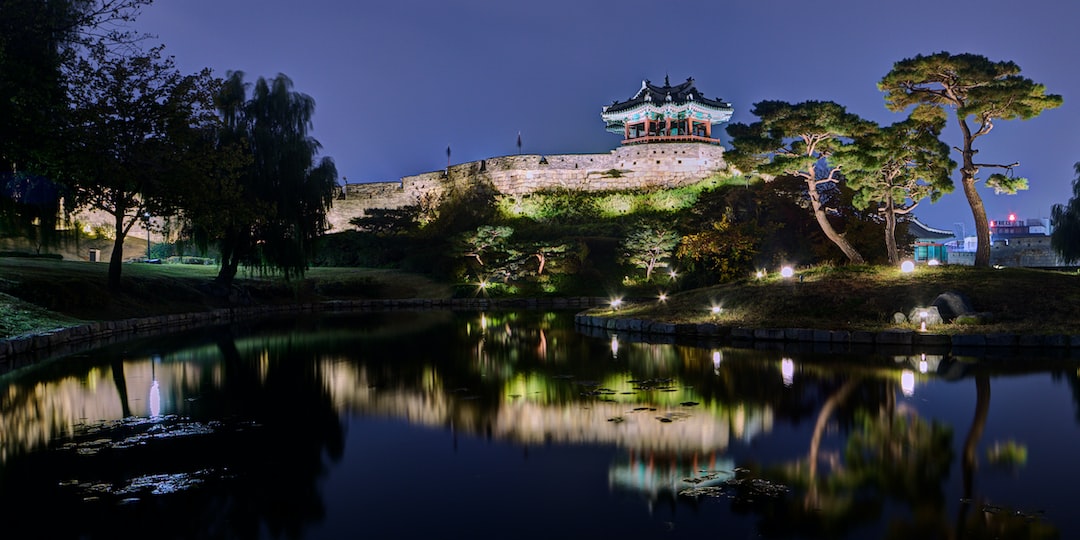
The Hwaseong Fortress is a UNESCO World Heritage Site and one of the most popular tourist attractions in Suwon. It was built in the late 18th century by King Jeongjo as a way to honor his father and to strengthen the defense of the city. The fortress is surrounded by walls that are 5.7 kilometers long and has four main gates. Visitors can walk along the walls and enjoy the beautiful scenery of the city. There are also several pavilions, gates, and towers that you can explore.

Korean Folk Village

The Korean Folk Village is a living museum that showcases the traditional way of life in Korea. It is a great place to learn about the country’s history and culture. The village has over 260 traditional houses that were built during the Joseon Dynasty. Visitors can watch traditional performances such as martial arts, music, and dance. There are also workshops where you can try your hand at making traditional Korean crafts.

Suwon Hwaseong Museum

The Suwon Hwaseong Museum is a great place to learn about the history of Suwon and the Hwaseong Fortress. The museum has several exhibits that showcase the construction of the fortress and the daily life of the people who lived there. There are also interactive displays that allow visitors to experience what life was like during the Joseon Dynasty.

Gwanggyo Lake Park

Gwanggyo Lake Park is a beautiful park located in the heart of Suwon. It is a great place to relax and enjoy nature. The park has several walking trails, a lake, and a fountain. There are also several sculptures and art installations that you can admire. If you are visiting Suwon during the spring, you can enjoy the beautiful cherry blossoms that bloom in the park.

Haenggung Palace

Haenggung Palace was built during the Joseon Dynasty and was used as a temporary palace for the king when he visited Suwon. It is a great place to learn about the history of the palace and the life of the royal family. Visitors can explore the various buildings, including the throne room, queen’s quarters, and the king’s study. There are also several exhibits that showcase the artifacts and documents that were used during the Joseon Dynasty.

Suwon is a great place to visit if you want to learn more about the history and culture of South Korea. The city has several landmarks and attractions that are worth exploring. From the Hwaseong Fortress to the Korean Folk Village, there is something for everyone in Suwon. So, if you are planning a trip to South Korea, make sure to add Suwon to your list of destinations.

Hwaseong Fortress

South Korea is a country steeped in history and culture, with many hidden gems waiting to be discovered. One such gem is the city of Suwon, located just 30 kilometers south of Seoul. Suwon is home to the magnificent Hwaseong Fortress, a UNESCO World Heritage site and one of the most impressive fortresses in the world.

The fortress was built in the late 18th century by King Jeongjo as a tribute to his father, Prince Sado. It was designed to be a symbol of the power and prestige of the Joseon Dynasty, and it served as a military stronghold and a center of commerce and culture.

Today, visitors can explore the fortress and its many gates, walls, and pavilions. The fortress is surrounded by a moat and covers an area of 5.7 kilometers. It is an impressive sight to behold, and visitors can spend hours exploring its many nooks and crannies.

After exploring the fortress, visitors can head to the nearby Korean Folk Village, a living museum that showcases traditional Korean life. The village is home to over 260 traditional houses, including thatched-roofed homes, aristocratic mansions, and farmers’ huts. Visitors can watch traditional Korean performances, try their hand at traditional crafts, and sample delicious Korean food.

For those interested in learning more about the history of Suwon and the Joseon Dynasty, the Suwon Hwaseong Museum is a must-visit. The museum houses a large collection of artifacts and exhibits that tell the story of Suwon’s past. Visitors can learn about the architecture and engineering of the fortress, as well as the daily life of the people who lived there.

For a more relaxed day out, visitors can head to Gwanggyo Lake Park, a beautiful park that surrounds a man-made lake. The park is home to walking trails, picnic areas, and playgrounds, as well as a range of water sports activities. Visitors can rent paddle boats, kayaks, and canoes and explore the lake at their leisure.

Finally, no visit to Suwon is complete without a trip to Haenggung Palace, a royal palace that was built in the late 18th century. The palace was used by the Joseon Dynasty as a temporary residence for the king and his family during their travels. Visitors can explore the palace’s many halls, pavilions, and gardens and get a glimpse of what life was like for the royal family.

Suwon is a city that is rich in history and culture, with plenty of attractions to keep visitors entertained. From the impressive Hwaseong Fortress to the traditional Korean Folk Village, there is something for everyone in Suwon. So, if you are planning a trip to South Korea, be sure to add Suwon to your itinerary and discover this hidden gem for yourself.

Korean Folk Village

When it comes to exploring South Korea, the bustling city of Seoul is often the first destination that comes to mind. But just a short trip south of the capital lies the city of Suwon, a historic gem that is often overlooked by tourists. Suwon is home to the impressive Hwaseong Fortress, a UNESCO World Heritage Site, as well as a number of other fascinating attractions.

One of the highlights of a visit to Suwon is undoubtedly the Hwaseong Fortress. Built in the late 18th century, the fortress was designed to protect the city and the surrounding areas from invasion. Today, visitors can explore the fortress walls, gates, and watchtowers, as well as the fortress palace and other buildings. The fortress is particularly impressive at night, when it is illuminated and visitors can enjoy a nighttime stroll along the walls.

Another must-see attraction in Suwon is the Korean Folk Village. This living museum showcases traditional Korean architecture, culture, and lifestyle. Visitors can wander through the village’s various neighborhoods, which represent different regions and time periods in Korean history. There are also daily performances of traditional Korean music, dance, and martial arts, as well as workshops where visitors can try their hand at traditional crafts like pottery and calligraphy.

For those interested in learning more about Suwon’s history, the Suwon Hwaseong Museum is a great place to start. The museum houses a collection of artifacts and exhibits related to the Hwaseong Fortress and the city’s history more broadly. Visitors can learn about the construction of the fortress, the lives of the people who lived in and around it, and the various battles and conflicts that took place there over the years.

If you’re looking for a bit of relaxation and nature, Suwon has plenty to offer in that department as well. Gwanggyo Lake Park is a tranquil oasis in the midst of the city, with walking trails, picnic areas, and a lake where visitors can rent paddle boats. The park is particularly beautiful in the spring, when the cherry blossoms are in bloom.

Finally, no visit to Suwon would be complete without a stop at Haenggung Palace. This historic palace was built in the late 18th century as a secondary palace for the Joseon dynasty. Today, visitors can explore the palace grounds and buildings, which include a throne hall, living quarters, and a garden. The palace also hosts regular cultural events and performances, so be sure to check the schedule before you go.

Overall, Suwon is a fascinating destination that offers a glimpse into Korea’s rich history and culture. Whether you’re interested in exploring ancient fortresses, learning about traditional lifestyles, or simply enjoying some time in nature, Suwon has something for everyone. So next time you’re planning a trip to South Korea, be sure to add Suwon to your itinerary.

Suwon Hwaseong Museum

South Korea is a country filled with rich history and culture, and one of the best places to experience this is in the city of Suwon. Located just 30 kilometers south of Seoul, Suwon is home to several historic sites that offer a glimpse into the country’s past. Here are some of the must-visit places in Suwon.

Hwaseong Fortress

Built in the late 18th century by King Jeongjo, Hwaseong Fortress is a UNESCO World Heritage Site and one of Suwon’s most popular attractions. The fortress was constructed to protect the city and the surrounding areas from invasion, and it features various structures such as gates, watchtowers, and barracks. Visitors can walk along the fortress walls and enjoy panoramic views of the city, or explore the various buildings within the fortress grounds, including the royal palace and the armory.

Korean Folk Village

For a taste of traditional Korean culture, head to the Korean Folk Village in Suwon. This outdoor museum features over 260 traditional houses and buildings from different regions of the country, showcasing the architecture, customs, and daily life of Koreans from centuries past. Visitors can watch traditional performances such as folk music and dance, try on hanbok (traditional Korean clothing), and sample local cuisine at the various food stalls.

Suwon Hwaseong Museum

Located near Hwaseong Fortress, the Suwon Hwaseong Museum is dedicated to the history and culture of Suwon and the surrounding areas. The museum features various exhibits showcasing artifacts and relics from the Joseon Dynasty, as well as interactive displays that allow visitors to learn about the construction and defense of Hwaseong Fortress. The museum also offers guided tours in English and other languages.

Gwanggyo Lake Park

For a relaxing break from all the historical sites, head to Gwanggyo Lake Park. This large park features a scenic lake, walking paths, and various recreational facilities such as a skate park and a basketball court. Visitors can rent bicycles and pedal boats, or simply enjoy a picnic on the grassy fields. The park is especially beautiful during the cherry blossom season in spring, when the trees around the lake bloom in shades of pink and white.

Haenggung Palace

Another historic site in Suwon is the Haenggung Palace, which was built in the late 18th century as a secondary palace for the king. The palace features various buildings such as the royal residence, the banquet hall, and the shrine, and visitors can explore the various rooms and gardens within the palace walls. The palace also hosts traditional cultural events such as traditional music performances and tea ceremonies.

Suwon is a city that offers a perfect blend of history, culture, and nature. From the imposing Hwaseong Fortress to the serene Gwanggyo Lake Park, there is something for everyone in Suwon. So why not take a day trip from Seoul and discover the wonders of Suwon?

Gwanggyo Lake Park

Located in Suwon, South Korea, Gwanggyo Lake Park is a picturesque destination that offers visitors a tranquil escape from the hustle and bustle of city life. This beautiful park spans over 165,000 square meters and is home to a stunning lake, a variety of walking trails, and numerous recreational facilities.

One of the main attractions of Gwanggyo Lake Park is undoubtedly the lake itself. Spanning over 70,000 square meters, the lake provides visitors with a serene and peaceful atmosphere. The lake is surrounded by lush greenery, and there are plenty of benches and picnic areas where visitors can relax and enjoy the scenery.

In addition to the lake, the park is also home to a variety of walking trails. These trails wind their way through the park, offering visitors the opportunity to explore its many beautiful sights and sounds. The trails are well-maintained, and there are plenty of signs and markers to help visitors navigate their way around the park.

For those who enjoy outdoor activities, Gwanggyo Lake Park has plenty to offer. The park is home to a number of recreational facilities, including a basketball court, a soccer field, and a skate park. There are also plenty of areas where visitors can enjoy a picnic or a barbecue, as well as a playground for children.

In addition to its natural beauty and recreational facilities, Gwanggyo Lake Park is also home to a number of cultural attractions. One of the most popular of these is the Suwon Hwaseong Museum, which is located on the edge of the park. The museum is dedicated to the history and culture of Suwon, and features a variety of exhibits and artifacts that showcase the city’s rich heritage.

Another popular cultural attraction in the park is the Korean Folk Village. This outdoor museum is located near the entrance of the park and features a variety of traditional Korean buildings and structures. Visitors can explore the village and learn about traditional Korean culture and customs.

For those who are interested in history, Gwanggyo Lake Park is also home to the Hwaseong Fortress. This historic fortress was built in the late 18th century and is a UNESCO World Heritage site. Visitors can explore the fortress and learn about its rich history and significance.

Finally, no visit to Gwanggyo Lake Park would be complete without a visit to the Haenggung Palace. This beautiful palace was built in the 18th century and was once the residence of the King of Korea. Today, visitors can explore the palace and learn about its history and significance.

Gwanggyo Lake Park is a beautiful and tranquil destination that offers visitors a wide range of activities and attractions. From the stunning lake and walking trails to the cultural attractions and historic sites, there is something for everyone to enjoy in this picturesque park. Whether you are a history buff, a nature lover, or simply looking for a peaceful escape from city life, Gwanggyo Lake Park is well worth a visit.

Haenggung Palace

Haenggung Palace is a must-visit destination in South Korea, particularly for those who are interested in the country’s rich history and culture. Located in Suwon, the palace is a testament to the Joseon Dynasty’s architectural prowess and serves as a glimpse into the royal family’s daily lives.

The palace was built in the late 18th century by King Jeongjo, who used it as his temporary residence whenever he visited the nearby Hwaseong Fortress. It was strategically located near the fortress to provide a safe haven for the king in case of an attack.

The palace’s architecture is a mix of traditional Korean and western styles, with a touch of Chinese influence. Visitors can see the palace’s intricate details, including the brightly painted wooden walls, the elaborately decorated doors, and the intricate roof tiles. The palace’s design is also functional, with rooms and courtyards designed to provide ventilation, natural light, and privacy.

One of the highlights of Haenggung Palace is the throne room, which features a majestic throne made of gold and precious stones. The room is also adorned with ornate decorations and intricate carvings. It is easy to imagine the king sitting on the throne, surrounded by his advisors and ministers, as they discuss important matters of state.

Another must-see attraction in the palace is the King’s bedchamber, which is decorated with beautiful paintings and calligraphy. The room is also furnished with traditional Korean furniture, including a low table and cushions for sitting. The bedchamber provides a glimpse into the king’s private life, as it is where he slept and spent time with his family.

Visitors can also explore the palace’s gardens, which provide a peaceful oasis in the midst of the bustling city. The gardens feature a lotus pond, a pavilion, and a small hill that offers a panoramic view of the surrounding area. The gardens are a perfect spot for a leisurely stroll or a picnic.

Haenggung Palace is an important cultural heritage site that offers visitors a glimpse into South Korea’s rich history and culture. It is a must-visit destination for anyone interested in architecture, history, and art. The palace’s intricate details, functional design, and beautiful gardens make it a fascinating place to explore.

Overall, Suwon is a city that is steeped in history and culture, with many attractions that offer visitors a glimpse into South Korea’s past. From the impressive Hwaseong Fortress to the Korean Folk Village, Suwon has something for everyone. Haenggung Palace is just one of the many destinations that make Suwon a must-visit destination for anyone traveling to South Korea.

  • Print
  • +-
    Font Size