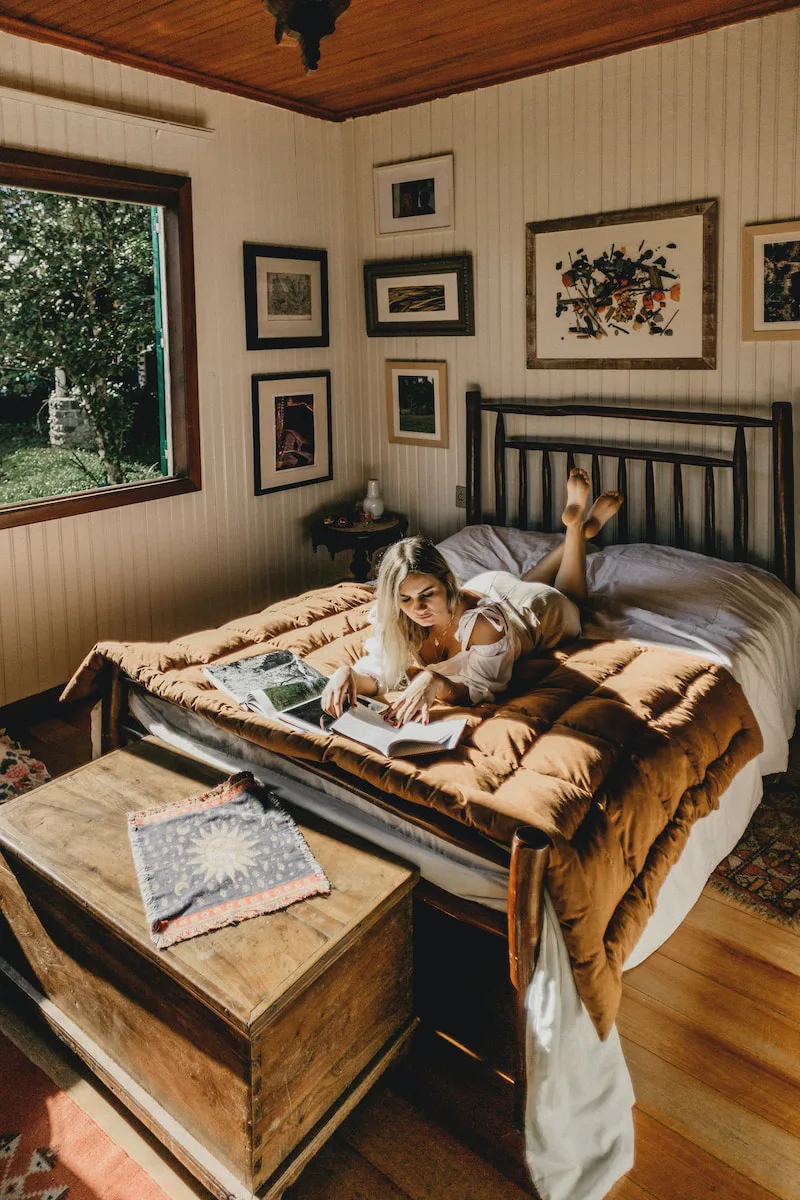
Sweden gives you the full range: hotels in the cities, a national hostel network run by the Swedish Tourist Association (STF), self-catering cabins, more than 1,000 campsites and, under the right of public access, a free tent night almost anywhere outside town. Which one fits depends on where you are going more than on your budget: cities mean hotels and hostels, the mountains mean STF stations and cabins, and the coast and lakes mean campsite cabins and pitches.
Hotels
Hotels carry the cities and larger towns. Visit Sweden keeps separate hotel guides for Stockholm, Gothenburg and Malmö, and lists 16 castle and manor stays within reach of those three cities if you want a night in a country house rather than a chain. Room rental in hotels, guesthouses and hostels is taxed at 12% VAT, the same rate as a restaurant meal. Bring a card: the Riksbank says cash is rarely used and many small businesses have stopped accepting it. The cost guide covers what a night is likely to set you back.
Hostels and the STF card
A Swedish hostel (vandrarhem) is closer to a simple guesthouse than a party dorm. Many are run by STF, a non-profit that offers over 200 places to stay across the country, and many have private rooms as well as dorms, some with whole apartments. You make your own bed; bed linen and towels are usually not included and can be rented on the spot, and there is a guest kitchen for self-catering, with breakfast often on offer.
Membership is a plain sum. An adult card (26 to 74) costs SEK 375, youth (16 to 25) SEK 195, seniors SEK 230 and a family SEK 600, valid 12 months from payment. It takes SEK 50 a night off hostels, guesthouses and STF hotels and SEK 100 a night off mountain stations and cabins, so it repays itself on a week in the fells. Children under 16 cannot join but stay at the member rate when travelling with a member.
Mountain stations and cabins
In the fells STF runs staffed mountain stations and a chain of cabins along the trails. The cabins have no electricity, running water or showers; the toilet is an outhouse, some sell basic groceries, and a volunteer cabin host is on duty at least 8 to 10 in the morning and 4 to 8 in the evening. You bring your own bottom sheet, pillowcase and duvet cover or sleeping bag. The winter season runs from late February to the end of April or early May; the summer season from Midsummer to mid or late September. STF’s rule for its emergency shelters is that there must always be space for anyone in need of a roof, but that is for emergencies, not a substitute for booking.
Campsites and cabins
Sweden has more than 1,000 campgrounds. The trade body Svensk Camping represents over 300 of them, with more than 75,000 pitches and 9,000 cottages and cabins, so a campsite cabin (stuga) is the standard family option on the coast and lakes. Around 160 sites stay open all year, 50 of them beside a ski resort. Sites are rated on the Swedish Camping Standard, which scores sanitation, site environment, facilities, activities and events; 14 campsites hold five stars in 2026. Pitches and simple cabins carry the same 12% VAT as hotel rooms.
Svensk Camping sites use a camping ID at check-in. Their own Camping ID is free of charge, and the sites also take Camping Key Europe and Camping Card International. Camping Key Europe costs SEK 229 a year, is valid 12 months from purchase, includes accident and liability insurance and gives discounts at almost 2,000 campsites in Sweden and the rest of Europe; it only pays if you camp a lot or want the insurance.
Wild camping under the right of public access
The right of public access (allemansrätten) lets you pitch a tent on land you do not own. The Environmental Protection Agency’s handbook gives one or two nights as the rule of thumb, out of sight and earshot of homes, with the landowner’s permission for groups with several tents. A fire is allowed only where it is safe and never during a fire ban, and dogs stay on a lead from 1 March to 20 August. The right does not cover motor vehicles: a motorhome may stop on asphalt, gravel or other hard ground, not in forest, on a beach, in a pasture or on a lawn.
Stays you will not find elsewhere
The Icehotel in Jukkasjärvi, outside Kiruna, was the first ice hotel in the world; rooms, seasons and how a night on ice works are on the Icehotel page. Visit Sweden’s list of unusual stays also runs to treehotels, floating cabins and the 72 Hour Cabin in West Sweden, and STF has a hostel in the Lurö lighthouse with seven double rooms. These sell out first, so they are the bookings to make before flights.
Practical tips
- Plan mountain-cabin trips inside the STF seasons above and book the stations ahead.
- Pack a sheet sleeping bag or your own linen for hostels and mountain cabins, or budget for renting it.
- If you drive to a cabin in winter, tyres must be winter-rated from 1 December to 31 March in winter conditions, and a foreign-registered car pays the congestion tax in Stockholm and Gothenburg like a Swedish one.
- The emergency number and public holidays are in the facts box.
What to check before you go
- Count your STF nights against the card price; below a handful of hostel nights, pay the non-member rate.
- Check the fire-ban status for the county before you plan a campfire; the handbook rule is no fire at all during a ban.
- Confirm your campsite is among the 160 open all year if you travel outside summer.
- Read the right of public access handbook before wild camping; it is short and in English.