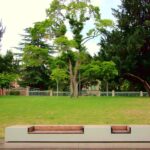
Discover the blend of history and modernity in Dushanbe, Tajikistan’s vibrant capital city.
“Discover the blend of history and modernity in Dushanbe, Tajikistan’s vibrant capital city.”
Dushanbe
Nestled in the heart of Central Asia, Dushanbe is the capital city of Tajikistan. With a population of over 800,000 people, Dushanbe is the largest city in the country and offers a unique blend of modern and Soviet-era architecture.
The city’s architecture reflects its rich history, with influences from the Persian Empire, the Soviet Union, and modern-day Tajikistan. The city’s most prominent landmark is the Palace of Nations, which was built by the Soviet Union in the 1980s. The building is an impressive example of Soviet-era architecture, with its grand façade and imposing columns.
Another notable Soviet-era building is the National Museum of Tajikistan, which was built in the 1970s. The museum showcases the country’s rich history and culture, with exhibits ranging from ancient artifacts to contemporary art.
In contrast to the city’s Soviet-era architecture, Dushanbe also boasts a number of modern buildings. One of the most striking is the Ismaili Centre, which was designed by award-winning architect Fumihiko Maki. The building’s sleek, modern design is a stark contrast to the traditional architecture of the city.
Another modern building worth exploring is the Tajikistan National Library. Designed by Spanish architect Juan Navarro Baldeweg, the library’s unique design features a series of interconnected, circular spaces that create a sense of openness and flow.
In addition to its impressive architecture, Dushanbe also has a number of parks and green spaces. The city’s largest park is Rudaki Park, which features a central fountain, walking paths, and a playground. The park is a popular destination for locals and tourists alike, and offers a welcome respite from the hustle and bustle of the city.
For those interested in exploring the city’s history and culture, Dushanbe has a number of museums and cultural institutions. The Museum of Antiquities, for example, showcases the country’s rich history through a collection of ancient artifacts and works of art.
The city also has a thriving arts scene, with a number of galleries and performance spaces. The Tajik State Philharmonic, for example, offers a range of classical and traditional music performances, while the Dushanbe Drama Theatre showcases plays and other theatrical productions.
Overall, Dushanbe offers a unique blend of modern and traditional architecture, as well as a rich cultural and artistic scene. Whether you’re interested in exploring the city’s history, relaxing in its parks and green spaces, or experiencing its vibrant arts scene, there’s something for everyone in this dynamic and welcoming city.
Rudaki Park
As one of the most rapidly developing cities in Central Asia, Dushanbe, the capital of Tajikistan, is a melting pot of modern and Soviet-era architecture. It is a city that is still evolving, with new buildings and infrastructure being constructed at an astonishing pace. However, despite the ongoing development, Dushanbe has managed to retain its unique cultural heritage, which is evident in its architecture.
One of the best places to appreciate Dushanbe’s architecture is Rudaki Park, named after the famous Tajik poet Rudaki. The park is a popular destination for both locals and tourists, who come to relax and enjoy the greenery and fountains. But it is also a great place to explore the city’s architecture.
The park is home to several impressive buildings, including the Dushanbe Opera and Ballet Theatre, which is a stunning example of Soviet-era architecture. The theatre was built in the 1950s and is one of the most important cultural institutions in Tajikistan. Its grand facade, with its imposing columns and ornate decorations, is a testament to the importance that the Soviet Union placed on the arts.
Another notable building in the park is the Palace of Nations, which is home to Tajikistan’s parliament. The palace was built in the early 2000s and is a striking example of modern architecture. Its glass facade reflects the surrounding park and mountains, giving it a futuristic look. The interior is equally impressive, with a spacious atrium and modern furnishings.
But perhaps the most impressive building in Rudaki Park is the National Museum of Tajikistan. The museum is housed in a grand Soviet-era building, which was built in the 1970s. The building’s facade is adorned with intricate carvings and statues, depicting scenes from Tajikistan’s history and culture. Inside, the museum houses a vast collection of artifacts, ranging from ancient coins and pottery to traditional costumes and musical instruments.
However, it is not just the buildings in Rudaki Park that are worth exploring. The park itself is a beautiful space, with lush greenery, colorful flowers, and peaceful fountains. It is a popular spot for locals to gather and socialize, and it is not uncommon to see groups of people playing music, dancing, or simply enjoying a picnic.
As you explore the park, you will also come across several sculptures and monuments, which pay tribute to Tajikistan’s rich history and culture. One of the most impressive is the statue of Ismail Samani, a 9th-century ruler who is considered one of the founding fathers of Tajikistan. The statue, which stands at the entrance to the park, is a striking piece of art, with Samani depicted on horseback, holding a globe in his hand.
Overall, Rudaki Park is a must-visit destination for anyone interested in architecture and culture. It is a place where modern and traditional styles come together, creating a unique and vibrant atmosphere. Whether you are exploring the grand Soviet-era buildings or simply enjoying the peaceful surroundings, Rudaki Park is a place that will leave a lasting impression.
National Museum of Tajikistan
Nestled in the heart of Central Asia, Tajikistan is a hidden gem that is slowly gaining popularity among travelers. The country’s capital, Dushanbe, is a vibrant city that boasts a unique blend of modern and Soviet-era architecture. One of the must-visit attractions in Dushanbe is the National Museum of Tajikistan.
Located in the heart of the city, the National Museum of Tajikistan is a treasure trove of the country’s rich cultural heritage. The museum’s collection includes over 50,000 artifacts that showcase the history and culture of Tajikistan. From ancient artifacts dating back to the Bronze Age to contemporary art, the museum has something for everyone.
One of the highlights of the museum is the exhibition on the history of Tajikistan. The exhibition takes visitors on a journey through time, starting from the prehistoric period to the present day. The exhibits are well-curated and provide a fascinating insight into the country’s rich cultural heritage.
Another interesting exhibition at the museum is the one on the Pamir Mountains. The Pamir Mountains are a range of mountains that stretch across Tajikistan, Afghanistan, Pakistan, and China. The exhibition showcases the unique culture and traditions of the Pamiri people who live in this region. Visitors can learn about the history, lifestyle, and customs of the Pamiri people through a series of interactive exhibits.
The museum also has an impressive collection of art, including traditional textiles, ceramics, and paintings. The traditional textiles on display are particularly impressive, with intricate designs and vibrant colors. The ceramics collection includes pottery from different regions of Tajikistan, each with its unique style and design.
One of the most striking features of the National Museum of Tajikistan is its architecture. The building was designed by the Tajik architect, Usto Shirin Muradov, and is a beautiful example of modern Tajik architecture. The building’s facade is adorned with traditional Tajik motifs, including a large ceramic panel depicting the national emblem of Tajikistan.
The interior of the museum is equally impressive, with spacious galleries and high ceilings. The exhibition spaces are well-lit and designed to showcase the artifacts to their best advantage. The museum also has a library and a lecture hall, which hosts talks and events related to Tajik culture and history.
Visiting the National Museum of Tajikistan is a must-do for anyone interested in the country’s rich cultural heritage. The museum provides a fascinating insight into Tajikistan’s history, culture, and art. With its impressive collection of artifacts and beautiful architecture, the National Museum of Tajikistan is a testament to the country’s rich cultural heritage.
Dushanbe, the capital of Tajikistan, is a city that is steeped in history and culture. The city has a unique blend of modern and Soviet-era architecture that is sure to captivate any visitor.
One of the most iconic structures in Dushanbe is the Dushanbe Flagpole. This impressive structure stands at an astonishing 165 meters tall, making it the tallest flagpole in the world. The flagpole was erected in 2011 to commemorate the 20th anniversary of Tajikistan’s independence from the Soviet Union.
Another impressive structure in Dushanbe is the Palace of Nations. The Palace of Nations was built in the 1970s and was originally used as a government building. Today, it is used as a venue for international conferences and events. The building’s grand façade and ornate details are a testament to the Soviet-era architecture that dominates much of Dushanbe’s cityscape.
For those interested in exploring the city’s modern architecture, the National Library of Tajikistan is a must-visit. The library’s striking white façade and geometric shapes are a stark contrast to the more traditional Soviet-era architecture found throughout the city. The interior of the library is just as impressive, with a vast collection of books and a modern design that is sure to impress.
One of the most unique buildings in Dushanbe is the Ismaili Centre. The Ismaili Centre is a cultural and religious center that was designed by award-winning architect, Fumihiko Maki. The building’s striking design features a series of interlocking circles and is meant to represent the traditional Islamic symbol of the chahar bagh, or four gardens. The Ismaili Centre is a testament to Dushanbe’s modern architecture and the city’s commitment to preserving its rich cultural heritage.
For those interested in exploring the city’s history, the National Museum of Tajikistan is a must-visit. The museum’s impressive collection of artifacts and exhibits cover Tajikistan’s rich history, from ancient times to the present day. The museum’s grand façade and ornate details are a testament to the city’s Soviet-era architecture.
One of the most beautiful buildings in Dushanbe is the Rudaki Park. The park is home to the stunning Opera and Ballet Theatre, which was built in the 1940s. The theatre’s grand façade and ornate details are a testament to the city’s Soviet-era architecture. The park also features a beautiful fountain and gardens, making it the perfect place to relax and enjoy the city’s beauty.
Overall, Dushanbe is a city that is sure to captivate any visitor. Its unique blend of modern and Soviet-era architecture, along with its rich history and culture, make it a must-visit destination for anyone interested in exploring Central Asia. Whether you’re interested in exploring the city’s modern architecture or its rich history, there is something for everyone in Dushanbe.
Victory Park
Nestled in the heart of Central Asia lies the vibrant and bustling city of Dushanbe, the capital of Tajikistan. Though often overlooked by travelers, this city offers a unique blend of modern and Soviet-era architecture that is sure to captivate any visitor.
One of the most prominent landmarks in Dushanbe is Victory Park, which was built to commemorate the Soviet Union’s victory in World War II. The park features a striking monument of a soldier holding a child, symbolizing the sacrifices made by the Soviet people during the war. Visitors can also explore the park’s many walking paths, fountains, and gardens, as well as take in panoramic views of the city from the top of the hill.
Another must-see destination in Dushanbe is the National Museum of Tajikistan. Housed in a grand Soviet-era building, the museum boasts an impressive collection of artifacts that showcase the country’s rich history and culture. From ancient artifacts to contemporary art, the museum offers a fascinating glimpse into Tajikistan’s past and present.
For those interested in modern architecture, the Ismaili Centre Dushanbe is a must-visit destination. Designed by renowned Indian architect Raj Rewal, the center is a stunning example of contemporary Islamic architecture. Its striking white facade is adorned with intricate geometric patterns, while the interior features a spacious prayer hall and a tranquil courtyard garden.
Another notable example of modern architecture in Dushanbe is the Palace of Nations. Built in 2011, the palace serves as the headquarters of Tajikistan’s government and features a sleek, modern design that stands in stark contrast to the city’s Soviet-era buildings. Visitors can take a guided tour of the palace to learn more about its history and architecture.
Of course, no visit to Dushanbe would be complete without exploring the city’s many Soviet-era buildings. One of the most iconic is the Ministry of Foreign Affairs building, which features a striking mosaic mural depicting the Tajik people’s struggle for independence. Other notable examples of Soviet-era architecture in Dushanbe include the National Library and the Palace of Culture.
Overall, Dushanbe offers a unique blend of modern and Soviet-era architecture that is sure to captivate any visitor. Whether you’re interested in history, culture, or contemporary design, this city has something for everyone. So why not plan a trip to Dushanbe and discover all that this fascinating destination has to offer?