ROAMOPEDIA
Penjikent
Discover the rich history and natural beauty of Penjikent, Tajikistan.
“Discover the rich history and natural beauty of Penjikent, Tajikistan.”

Penjikent

Tucked away in the foothills of the Pamir Mountains lies the ancient city of Penjikent, Tajikistan. A city that dates back to the 5th century, Penjikent was once a thriving hub of trade and culture on the Silk Road. Today, visitors can explore the ruins of this once-great city and discover the ancient wonders that lie within.

One of the most impressive sites in Penjikent is the ruins of the city’s ancient palace. This sprawling complex was once the home of the ruling elite and is now a fascinating archaeological site. Visitors can wander through the palace’s grand halls and see the remnants of ancient frescoes and intricate carvings that once adorned the walls.

Another must-see site in Penjikent is the city’s ancient bazaar. This bustling marketplace was once a hub of activity, with merchants from all over the world coming to trade their wares. Today, visitors can wander through the maze of narrow streets and alleyways, imagining what it must have been like to shop for silks and spices in this vibrant marketplace.

For those interested in the region’s history, a visit to the Penjikent Museum is a must. This small but informative museum houses a collection of artifacts from the city’s ancient past, including pottery, jewelry, and tools. Visitors can learn about the city’s cultural and economic significance on the Silk Road and gain a deeper understanding of the region’s rich history.

But perhaps the most impressive site in Penjikent is the ancient citadel that once guarded the city’s entrance. This imposing fortress was once a symbol of the city’s power and prestige, and its towering walls and watchtowers are still an impressive sight today. Visitors can climb to the top of the fortress and take in the stunning views of the surrounding mountains and valleys.

Of course, no visit to Penjikent would be complete without exploring the city’s famous archaeological site. Excavations here have uncovered a wealth of ancient treasures, including the remains of grand homes, temples, and public buildings. Visitors can wander through the ruins and imagine what life was like in this ancient city nearly 2,000 years ago.

But Penjikent isn’t just about ancient history. Visitors can also immerse themselves in the region’s vibrant culture by exploring the city’s bustling markets and sampling the local cuisine. From hearty stews to sweet pastries, the food in Penjikent is a delicious reflection of the region’s rich cultural heritage.

For those looking to escape the hustle and bustle of the city, the surrounding mountains and valleys offer plenty of opportunities for outdoor adventure. Visitors can hike through the stunning Fan Mountains, explore the lush valleys of the Zeravshan River, or simply relax in the natural hot springs that dot the region.

a visit to Penjikent is a journey back in time to a city that was once a thriving hub of trade and culture. From the ancient ruins to the vibrant markets and stunning natural beauty, there’s something for everyone in this hidden gem of Central Asia. So why not pack your bags and discover the ancient wonders of Penjikent for yourself?

Ancient Penjikent

Nestled in the heart of Central Asia lies the ancient city of Penjikent, Tajikistan. Once a thriving hub of culture and trade, this city was a key stop on the Silk Road that connected the East and West. Today, Penjikent is a treasure trove of historical and archaeological wonders waiting to be discovered.

The history of Penjikent dates back over 2,500 years. It was founded by the Sogdians, an ancient Iranian people who were known for their art, literature, and architecture. The city grew prosperous due to its strategic location on the Silk Road, which allowed it to trade with China, India, and the Mediterranean.

One of the most impressive sites in Penjikent is the ancient citadel, which was built in the 5th century BC. The citadel was a fortified palace that served as the residence of the ruling elite. Its walls were adorned with intricate carvings and paintings that depicted scenes from daily life, as well as mythological creatures and deities.

Another must-see attraction in Penjikent is the Rudaki Museum. This museum is dedicated to the life and works of Abu Abdullah Rudaki, a renowned Persian poet who lived in the 9th century. Rudaki is considered to be the father of Persian literature and is revered throughout the Persian-speaking world.

The museum houses a collection of manuscripts, paintings, and artifacts that showcase Rudaki’s life and legacy. Visitors can learn about his poetry, which celebrated love, nature, and the human spirit. The museum also features exhibitions on the history and culture of the Sogdian people, who played a significant role in the development of Central Asia.

One of the most fascinating aspects of Penjikent is its ancient ruins. The city was destroyed by the Arab conquest in the 8th century, and its ruins have been preserved to this day. Visitors can explore the ruins of the ancient city walls, temples, and palaces, which provide a glimpse into the grandeur of the Sogdian civilization.

One of the most impressive ruins in Penjikent is the Temple of Fire. This temple was dedicated to the Zoroastrian god of fire and was a place of worship for the Sogdians. The temple was built in the 6th century and was adorned with intricate carvings and sculptures that depicted scenes from Zoroastrian mythology.

Visitors to Penjikent can also explore the nearby Sarazm archaeological site. This site is a UNESCO World Heritage Site and is one of the oldest settlements in Central Asia. It dates back to the 4th millennium BC and was a center of trade and culture in the ancient world.

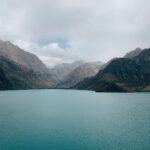
In addition to its historical and archaeological wonders, Penjikent is also known for its natural beauty. The city is surrounded by the majestic Pamir Mountains, which offer breathtaking views and opportunities for hiking and trekking. Visitors can also explore the nearby Fann Mountains, which are home to stunning lakes, waterfalls, and canyons.

Penjikent is a hidden gem that offers a unique glimpse into the ancient history and culture of Central Asia. From its ancient ruins to its museums and natural beauty, this city has something to offer for everyone. Whether you’re a history buff, an art lover, or an outdoor enthusiast, Penjikent is a destination that should not be missed.

Rudaki Museum

Nestled in the heart of Central Asia, Tajikistan is a land of rugged mountains, ancient ruins, and vibrant culture. One of the country’s most fascinating destinations is the city of Penjikent, located in the Sughd region, just a few kilometers from the border with Uzbekistan.

Penjikent was once a major center of the Sogdian civilization, which flourished in Central Asia between the 6th and 10th centuries CE. The city was strategically located on the ancient Silk Road, a network of trade routes that connected China with the Mediterranean world. Today, Penjikent is a small but thriving town with a rich history and plenty of attractions for visitors to explore.

One of the highlights of a visit to Penjikent is the Rudaki Museum, which is dedicated to the life and works of Abu Abdallah Rudaki, one of the greatest poets of the Persian language. Rudaki was born in the nearby village of Rudak in the 9th century CE and is considered the father of Persian literature. His poems, which celebrated the beauty of nature and the joys of love, were widely admired and imitated throughout the Islamic world.

The museum is housed in a beautiful traditional building that was once a madrasa, or Islamic school. Inside, visitors can explore a variety of exhibits that showcase Rudaki’s life and legacy. One of the highlights is a collection of manuscripts and rare editions of his works, including the famous “Masnavi,” a long poem that tells the story of two lovers who are separated by fate but eventually reunited.

The museum also features a number of interactive displays that allow visitors to learn more about Rudaki’s poetry and the cultural context in which it was created. For example, there is a replica of a traditional Persian garden, complete with fountains, flowers, and fruit trees, which was a common theme in Rudaki’s poetry. Visitors can stroll through the garden and read excerpts from his works that describe the beauty of nature.

Another fascinating exhibit is a recreation of a typical Sogdian house from the 8th century CE. The Sogdians were known for their skill in commerce and crafts, and their houses were often decorated with intricate frescoes and carvings. The replica house at the Rudaki Museum is filled with examples of Sogdian art, including pottery, textiles, and jewelry, as well as tools and utensils that were used in everyday life.

In addition to the museum, there are plenty of other attractions to explore in Penjikent. One of the most impressive is the ancient ruins of the city’s old citadel, which dates back to the 5th century CE. The citadel was a massive fortress that dominated the skyline of Penjikent and was once home to the ruling elite of the Sogdian civilization. Today, visitors can climb to the top of the citadel and enjoy panoramic views of the surrounding countryside.

Another must-see attraction is the Penjikent Bazaar, a bustling market that sells everything from fresh produce and spices to handicrafts and souvenirs. The bazaar is a great place to soak up the local atmosphere and sample some of the delicious food that Tajikistan is famous for, such as plov (a rice dish with meat and vegetables) and shashlik (grilled meat skewers).

Overall, a visit to Penjikent is a journey back in time to a fascinating period of Central Asian history. Whether you are a lover of poetry, history, or culture, the city has something to offer everyone. So why not plan your trip today and discover the ancient wonders of Penjikent for yourself?

Sarazm

Nestled in the heart of Central Asia, Tajikistan is a country brimming with hidden treasures waiting to be discovered by intrepid travelers. One such treasure is the ancient city of Penjikent, located in the Sughd region of the country. With a history dating back over 2,500 years, Penjikent is a fascinating destination for anyone interested in exploring the rich cultural heritage of this part of the world.

The city of Penjikent was founded in the 5th century BCE, and quickly grew to become an important center of trade and commerce in the region. Its location at the crossroads of the Silk Road made it a hub for merchants, travelers, and scholars from all over Asia and beyond. Over the centuries, Penjikent was ruled by a succession of powerful empires, including the Persian, Greek, and Arab empires, each of which left their mark on the city’s architecture, art, and culture.

Today, Penjikent is a UNESCO World Heritage Site, recognized for its outstanding archaeological and historical significance. Visitors to the city can explore the ruins of the ancient citadel, which dates back to the 5th century CE, as well as the remains of the city’s residential areas, markets, and temples. The most striking feature of the site is the intricate wall paintings that adorn many of the buildings. These paintings, which depict scenes from daily life, religious rituals, and mythological stories, are some of the finest examples of ancient Sogdian art in the world.

One of the most impressive buildings in Penjikent is the Rudaki Museum, named after the famous poet Abu Abdallah Rudaki, who was born in the city in the 9th century. The museum houses a collection of artifacts and exhibits that showcase the history and culture of Penjikent and the surrounding region. Visitors can see ancient coins, pottery, textiles, and jewelry, as well as displays on the city’s traditional crafts, such as carpet weaving and embroidery.

Another must-see attraction in Penjikent is the nearby Sarazm archaeological site, which is also a UNESCO World Heritage Site. Sarazm dates back to the 4th millennium BCE and is considered one of the oldest settlements in Central Asia. The site features a number of well-preserved buildings, including houses, workshops, and public buildings, as well as evidence of agricultural practices and trade with neighboring regions. Sarazm is an important site for understanding the early development of human civilization in this part of the world.

Visitors to Penjikent can also explore the surrounding countryside, which is known for its stunning natural beauty. The Fann Mountains, located just a short drive from the city, offer some of the best hiking and trekking opportunities in Central Asia. The mountains are home to a number of picturesque lakes, waterfalls, and hot springs, as well as traditional villages where visitors can experience the local way of life.

Penjikent is a hidden gem in Tajikistan that offers a unique glimpse into the ancient history and culture of Central Asia. Whether you’re interested in archaeology, art, or outdoor adventure, there is something for everyone in this fascinating city. So why not add Penjikent to your travel itinerary and discover the wonders of this ancient and captivating destination?

Zeravshan Valley

Nestled in the heart of the Zeravshan Valley lies the ancient city of Penjikent, Tajikistan. Once a bustling hub of trade and culture, Penjikent was a vital stop along the ancient Silk Road. Today, visitors can explore the ruins of this once-great city and discover the rich history and culture that it has to offer.

One of the most impressive features of Penjikent is its well-preserved ancient architecture. The city was founded in the 5th century and flourished during the early Islamic period. The ruins of the city are a testament to the skilled craftsmanship of the builders who constructed the walls, palaces, and mosques that once stood here.

Visitors can explore the remains of the ancient citadel, which was once the center of political and social life in Penjikent. The citadel was built on a hill overlooking the city and was fortified with walls and towers for protection. Inside the citadel, visitors can see the remains of the palace of the local ruler, as well as the ruins of a mosque and a bathhouse.

Another must-see site in Penjikent is the Rudaki Museum. This museum is dedicated to Abu Abdullah Rudaki, a famous poet who was born in Penjikent in the 9th century. The museum houses a collection of artifacts related to Rudaki’s life and work, including manuscripts, paintings, and musical instruments. Visitors can also learn about the history of Penjikent and the surrounding area through exhibits on archaeology, ethnography, and local handicrafts.

For those interested in outdoor activities, Penjikent is also a great destination for hiking and trekking. The surrounding mountains offer stunning views and a chance to explore the natural beauty of the area. Visitors can hike to the top of nearby mountains, where they can take in panoramic views of the valley below. The area is also home to a number of hot springs, which are said to have healing properties.

One of the most unique aspects of Penjikent is its location on the border of Tajikistan and Uzbekistan. The city is just a short drive from the border, making it a great starting point for a cross-border adventure. Visitors can explore the ancient ruins of Samarkand, Uzbekistan, which is just a few hours’ drive away. Samarkand was once one of the most important cities along the Silk Road, and its stunning architecture and rich history make it a must-see destination.

In addition to its historical and cultural attractions, Penjikent is also known for its delicious cuisine. The city is famous for its plov, a traditional rice dish that is cooked with meat, vegetables, and spices. Visitors can also try other local specialties, such as shashlik (grilled meat skewers) and lagman (noodle soup).

Overall, Penjikent is a fascinating destination that offers something for everyone. Whether you are interested in history, culture, outdoor activities, or just good food, this ancient city has it all. So why not plan a trip to Penjikent and discover the wonders of this hidden gem for yourself?

  • Print
  • +-
    Font Size