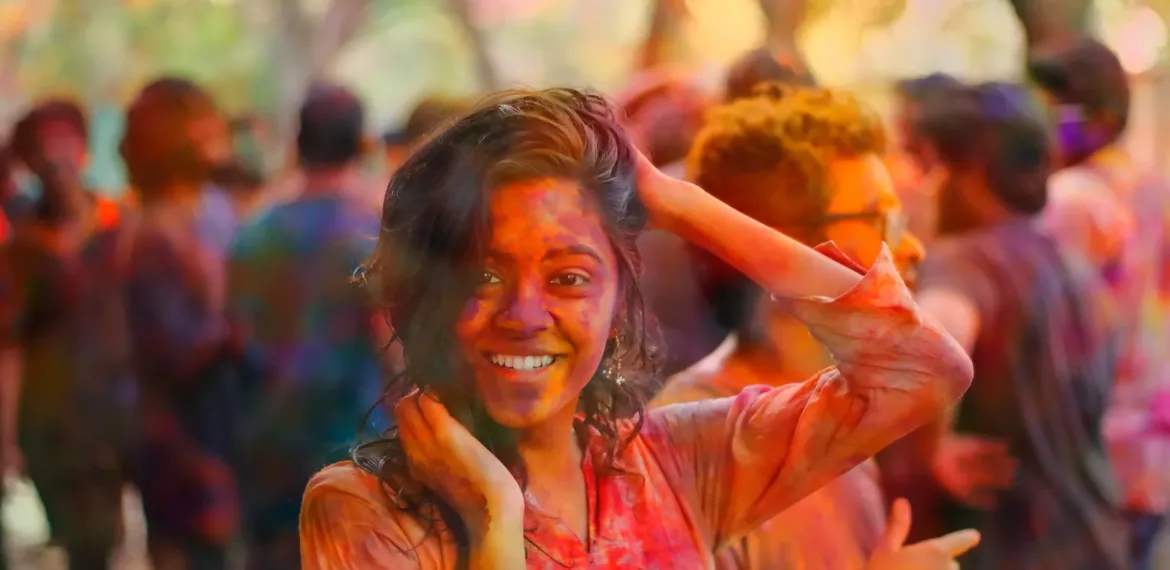
“Discover the rich tapestry of Tajikistan’s culture and avoid cultural missteps on your travels.”
Related
All related contents.
Related Posts
Discover the beauty and history of Tajikistan’s Isfara through its stunning landmarks and landscapes.
Discover the serene beauty of Rudaki Park in Dushanbe, Tajikistan.

Discover the beauty of Khorog, Tajikistan – where nature meets culture.

Discover the blend of history and modernity in Dushanbe, Tajikistan’s vibrant capital city.
Discover the rich history and breathtaking beauty of Istaravshan in Tajikistan.

Explore the natural beauty of Tajikistan’s Fann Mountains and Seven Lakes.

Discover the untouched beauty of Murghab, Tajikistan’s hidden gem in the heart of the Pamirs.

Discover the healing powers of nature at Garm Chashma Hot Springs, Tajikistan.

Explore the beauty of Pamir region at Khorog’s Pamir Botanical Garden, one of the highest botanical gardens in the world.
Discover the natural beauty and rich culture of Tajikistan, from Dushanbe to Iskanderkul Lake.

Uncover the mysteries of Ancient Sogdian civilization at Penjikent.

Discover the rich history and breathtaking views of Istaravshan, Tajikistan’s hidden gem.
Explore the rich heritage and scenic wonders of Kulob, Tajikistan.

Discover the rich heritage of Tajikistan at the National Museum in Dushanbe.

Tajikistan’s hidden gem – Discover the healing powers of Bibi Fatima Hot Springs in the stunning Wakhan Valley.

Discover the natural beauty of Tajikistan’s Fann Mountains and Alaudin Lakes through adventurous trekking.
Discover the rich history and natural beauty of Penjikent, Tajikistan.

Tajikistan’s Wakhan Valley: Where history and nature converge at Khaakha Fortress.

Discover the rich history of Tajikistan at Hissar Fortress and Museum in Dushanbe.

Journey Through Tajikistan: A Tour of the Country’s Most Captivating Sights

Discover the ancient beauty of Tajikistan at Murghab and Yamchun Fort.
Discover the stunning beauty of Tajikistan through the Pamir Highway.

Discover the ancient treasures of Central Asia in Khujand, Tajikistan.

Discover the beauty and heritage of Tajikistan’s capital city, Dushanbe, home to the impressive Dushanbe Flagpole.