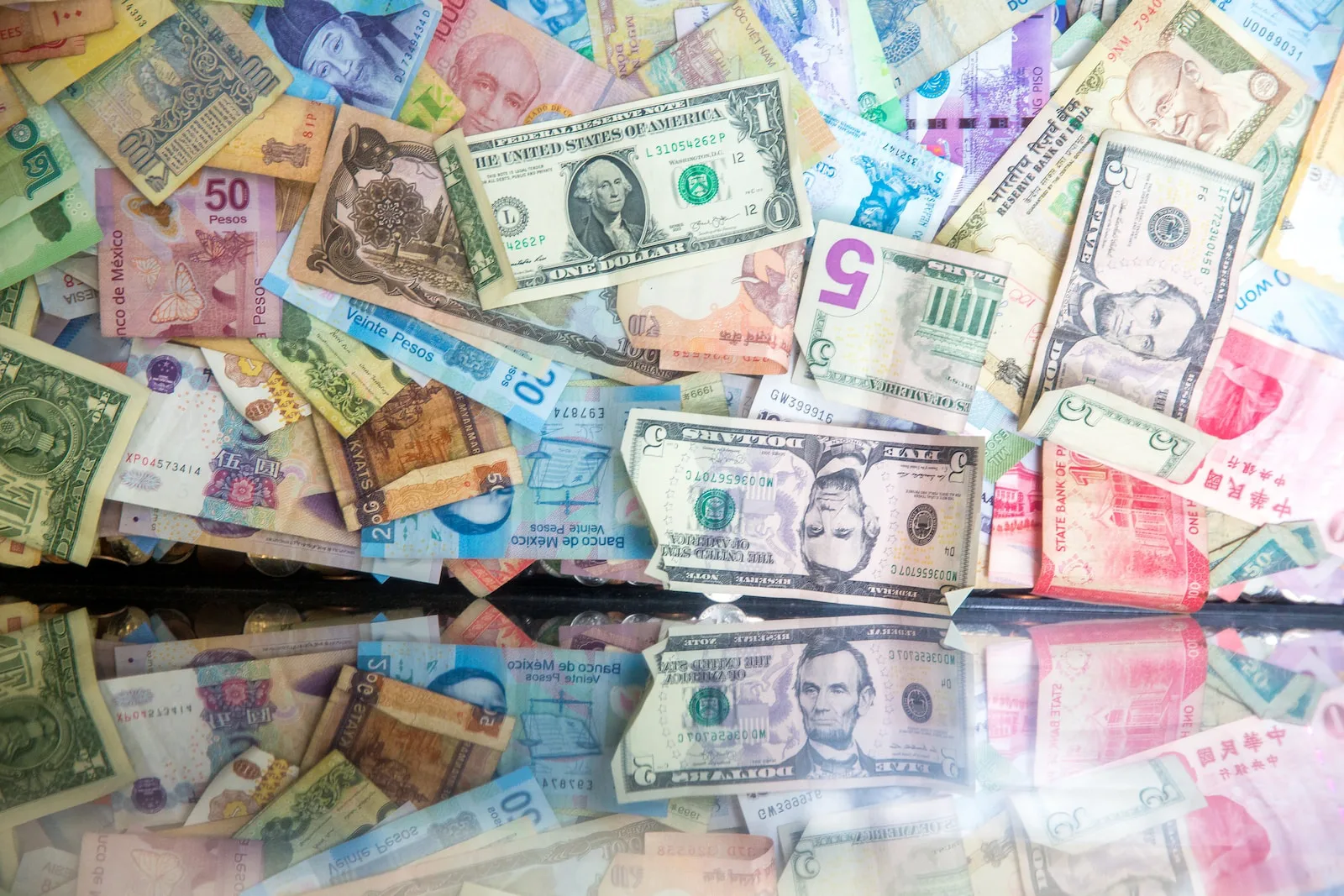
There is one government-tracked number for what a trip to Thailand costs, and it sits in the facts box above: the average total amount a foreign tourist spends per day, worked out from a survey run by Thailand’s Ministry of Tourism and Sports and published in a Bank of Thailand Monetary Policy Report. It is an average across every kind of traveller and every kind of trip, so treat it as a starting point, not a personal budget.
What the average day includes
The same Bank of Thailand report breaks the daily figure down by category: accommodation accounts for 36 per cent of spending, food and beverage 23 per cent, shopping 18 per cent, and everything else — transport, activities, entrance fees — the remaining 23 per cent. No public source publishes a matching split of actual accommodation, meal or activity prices city by city, so this page does not invent one; a nightly room rate in Bangkok and a nightly room rate on Koh Samui can differ by a wide margin even in the same star rating, and menu prices move with the season and the neighbourhood.
Converting baht to your currency
The figure in the facts box converts automatically to euros using the European Central Bank’s daily reference rate. That same rate is the one to check before you travel, since the baht moves against the euro, the dollar and the pound like any other floating currency: a rate a few per cent different changes every converted figure on this page. Do the conversion again on the ECB page the week you book, rather than trusting a number you saw months earlier.
Before and after the pandemic
The same Bank of Thailand report also gives a pre-pandemic comparison: in 2019, before border closures reshaped both prices and traveller numbers, average foreign-tourist spending was 5,172 baht per day, noticeably higher than the current figure in the facts box. No more recent official per-day figure than the 2023 survey has been published as of this page’s last check, so treat both numbers as the most recent available rather than as this year’s prices.
Building your own budget from the average
Because the facts-box figure is a national average across backpackers, mid-range travellers and resort guests together, the most useful way to use it is as a sanity check rather than a plan. If you expect to stay in dormitories, eat mostly street food and skip paid tours, your daily spend will likely sit below the average; a private room, restaurant meals and a couple of booked activities a day will likely push it above. Multiply the average by the length of your trip to get a rough total, then adjust up or down based on which end of that range describes your own travel style, and add a separate line for flights, which the Bank of Thailand figure does not include.
Practical tips
- Use the facts-box figure to size a trip, not to plan a single day: it blends backpacker spending with resort spending.
- Budget more for accommodation than any other line item — it is the largest share of the average by a clear margin.
- Check current room and meal prices for your specific destination and travel dates directly with hotels, guesthouses and booking platforms; regional and seasonal swings are larger than the margin of error on any single average.
- Recheck the currency conversion close to departure, not when you first plan the trip.
What to check before you go
- The exchange rate on the day you book and again on the day you travel, since the baht can move enough to matter over a period of months.
- Whether a more recent official survey has replaced the 2023 figure this page cites; check the Bank of Thailand’s monetary policy publications page directly.
- Actual accommodation and meal prices for your destination and dates, since no official source breaks the national average down by city or season.