ROAMOPEDIA
Tonga's Culture
Exploring Tongan Culture: Traditions, Customs, Language, and Etiquette
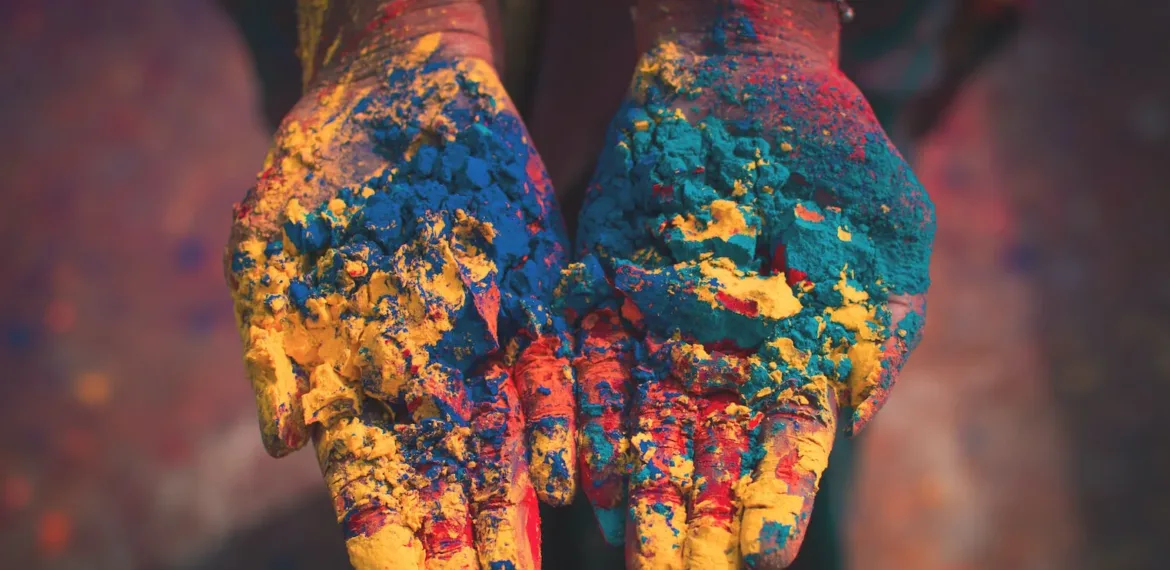
closeup photo of person holding color soils
“Discover the Heart of Polynesian Culture in Tonga: Embrace the Traditions, Language, and Etiquette for a Fulfilling Travel Experience.”
Exploring Tongan Culture: Traditions, Customs, Language, and Etiquette

Tonga is a small island nation located in the South Pacific Ocean. It is known for its stunning beaches, crystal-clear waters, and friendly locals. However, what many people may not know is that Tonga has a rich and vibrant culture that is deeply rooted in tradition and customs. Understanding Tongan culture can enrich your travel experience and help you avoid any cultural faux pas.

Traditions

Tongan traditions are deeply rooted in the country’s history and are still practiced today. One of the most important traditions in Tonga is the concept of “faka’apa’apa,” which means respect. Respect is highly valued in Tongan culture, and it is expected that visitors show respect to the locals and their customs.

Another important tradition in Tonga is the concept of “fakalelea,” which means hospitality. Tongans are known for their warm and welcoming nature, and visitors to the country can expect to be treated with kindness and generosity. It is not uncommon for locals to invite visitors into their homes for a meal or to share a drink.

Customs

Tongan customs are also deeply rooted in tradition and are an important part of daily life. One of the most important customs in Tonga is the practice of “kava,” which is a traditional drink made from the root of the kava plant. Kava is often consumed during social gatherings and is seen as a symbol of unity and friendship.

Another important custom in Tonga is the practice of “umu,” which is a traditional method of cooking food. Umu involves heating rocks in a fire and then using them to cook food in an underground oven. Umu is often used during special occasions and is seen as a way to bring people together.

Language

The official language of Tonga is Tongan, which is a Polynesian language. While English is also widely spoken in Tonga, learning a few basic phrases in Tongan can go a long way in showing respect to the locals. Some common Tongan phrases include “mālō e lelei,” which means hello, and “fāmolemole,” which means please.

Etiquette

Understanding Tongan etiquette is important when visiting the country. One of the most important things to remember is to dress modestly. Tonga is a conservative country, and it is considered disrespectful to wear revealing clothing.

Another important aspect of Tongan etiquette is the concept of “ta’ovala,” which is a traditional woven mat that is worn around the waist. Ta’ovala is often worn during formal occasions and is seen as a sign of respect.

It is also important to remember to remove your shoes before entering someone’s home. This is a common practice in Tonga and is seen as a sign of respect.

Conclusion

In conclusion, understanding Tongan culture is an important part of any visit to the country. Tonga has a rich and vibrant culture that is deeply rooted in tradition and customs. By showing respect to the locals and their customs, visitors can enrich their travel experience and avoid any cultural faux pas. From traditions like faka’apa’apa and fakalelea, to customs like kava and umu, to the Tongan language and etiquette, there is much to learn and appreciate about Tongan culture.

  • Print
  • +-
    Font Size