Discover the haunting history of Ukraine’s Chernobyl Exclusion Zone and its impact on Kyiv with a unique and informative tour.
“Discover the haunting history of Ukraine’s Chernobyl Exclusion Zone and its impact on Kyiv with a unique and informative tour.”
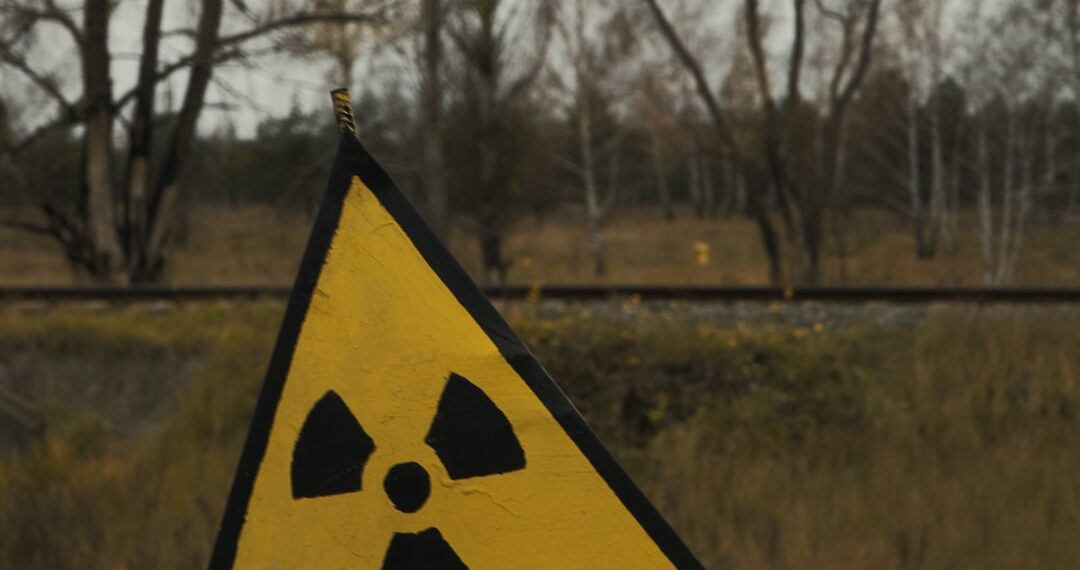
Chernobyl Exclusion Zone: Exploring the Site of the World’s Worst Nuclear Disaster in Ukraine’s Kyiv – A Unique and Haunting Experience
Ukraine is a country located in Eastern Europe, bordered by Russia, Belarus, Poland, Slovakia, Hungary, Romania, and Moldova. Its capital is Kyiv, the largest city in Ukraine. Kyiv is known for its beautiful architecture, rich history, and vibrant culture. However, not far from the city lies the Chernobyl Exclusion Zone, the site of the world’s worst nuclear disaster.
The Chernobyl disaster occurred on April 26, 1986, when a reactor at the Chernobyl Nuclear Power Plant exploded, releasing radioactive material into the atmosphere. The disaster had a devastating impact on the environment and the health of the people living in the area. To this day, the Chernobyl Exclusion Zone remains off-limits to the public, except for guided tours.
Visiting the Chernobyl Exclusion Zone is a unique and haunting experience. The tour starts in Kyiv, where visitors are picked up early in the morning and taken by bus to the Zone. Along the way, the guide provides information about the history of the area, the disaster, and the ongoing efforts to contain the radiation.
As you approach the Zone, the landscape begins to change. The forests become thicker, and the buildings become more dilapidated. When you arrive at the checkpoint, you must show your passport and sign a waiver acknowledging the risks of entering the Zone. From there, you are taken to the first stop on the tour, the abandoned city of Pripyat.
Pripyat was once a thriving city, home to over 50,000 people. It was built in the 1970s to house the workers of the Chernobyl Nuclear Power Plant. However, after the disaster, the city was evacuated, and it has remained abandoned ever since. Walking through the empty streets of Pripyat is a surreal experience. The buildings are crumbling, the playgrounds are rusted, and the trees have grown through the concrete. The silence is eerie, broken only by the occasional sound of a bird or the wind.
As you explore the city, the guide points out the most significant landmarks, such as the amusement park, the hospital, and the school. The amusement park was set to open on May 1, 1986, but the disaster occurred just days before. The Ferris wheel still stands, a haunting reminder of what could have been. The hospital was where the first responders were brought after the explosion. It is now a shell of its former self, with broken windows and graffiti covering the walls. The school is filled with textbooks, notebooks, and children’s drawings, left behind by the children who were forced to leave their homes.
After leaving Pripyat, the tour takes you to the Chernobyl Nuclear Power Plant. You can see the sarcophagus, a massive concrete structure built to contain the reactor’s remnants. The guide explains the events leading up to the disaster, the mistakes made by the workers, and the heroic actions of the first responders. You can feel the weight of the history as you stand in front of the reactor, knowing that the radiation levels are still high.
The final stop on the tour is the Red Forest, the most contaminated area in the Zone. The forest got its name because the trees turned red from the radiation exposure. The guide provides Geiger counters, and you can see the radiation levels spiking as you walk through the forest. It is a sobering reminder of the lasting impact of the disaster.
Visiting the Chernobyl Exclusion Zone is not for everyone. It is a physically and emotionally demanding experience. The radiation levels are still high, and visitors are required to wear protective clothing and follow strict rules. However, for those who are interested in history, science, and the human condition, it is an unforgettable experience.
The tour guides are knowledgeable and passionate about the subject matter. They provide a wealth of information, including the science behind radiation exposure, the history of the Soviet Union, and the cultural significance of the area. They are also respectful of the tragedy and the people affected by it.
In conclusion, visiting the Chernobyl Exclusion Zone is a unique and haunting experience. It provides a glimpse into the past, a reminder of the dangers of nuclear energy, and a tribute to the people who suffered in the aftermath of the disaster. It is not for everyone, but for those who are interested, it is a journey that will stay with them for a lifetime.