“Discover Zambia: Unveiling the Wonders of Wildlife, Waterfalls, and Rich Heritage”
Exploring Zambia’s Top Attractions: Uncovering Historical Sites, National Parks, and Cultural Festivals
Zambia, a landlocked country in southern Africa, is a hidden gem that offers a plethora of attractions for tourists seeking adventure, culture, and natural beauty. From its rich history to its stunning national parks and vibrant cultural festivals, Zambia is a destination that should be on every traveler’s bucket list.
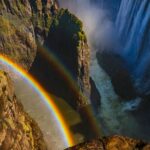
One of the most significant historical sites in Zambia is the Victoria Falls, a UNESCO World Heritage Site. Known locally as Mosi-oa-Tunya, or “The Smoke That Thunders,” Victoria Falls is one of the most spectacular waterfalls in the world. The falls are located on the Zambezi River, which forms the border between Zambia and Zimbabwe. The awe-inspiring sight of the falls, combined with the thunderous roar of the water, creates an unforgettable experience for visitors. In addition to the falls themselves, the surrounding area offers a variety of activities, such as bungee jumping, white-water rafting, and helicopter tours, making it a must-visit destination for adventure seekers.
Another historical site worth visiting is the Shiwa Ng’andu estate, a grand English-style manor house built in the 1920s by British settler Sir Stewart Gore-Browne. The estate, located in the remote northern region of Zambia, offers a fascinating glimpse into the country’s colonial past. Visitors can tour the beautifully preserved manor house, explore the lush gardens, and learn about the history of the estate and its eccentric founder. The estate also serves as a base for exploring the nearby Kapishya Hot Springs and the stunning Lake Shiwa Ng’andu.
Zambia’s national parks are another major draw for tourists, offering some of the best wildlife viewing opportunities in Africa. The country is home to 20 national parks and 34 game management areas, which together cover an impressive 30% of the country’s land area. One of the most famous parks is South Luangwa National Park, known for its high concentration of wildlife and diverse landscapes. The park is home to over 60 mammal species, including elephants, lions, leopards, and the endemic Thornicroft’s giraffe. The Luangwa River, which runs through the park, attracts large numbers of hippos and crocodiles, making for some thrilling wildlife encounters.
Another must-visit national park is Kafue National Park, the largest and oldest park in Zambia. Covering an area larger than Belgium, Kafue offers a vast and diverse landscape, ranging from the lush wetlands of the Busanga Plains to the miombo woodlands and the rocky outcrops of the Ngoma Forest. The park is home to a wide variety of wildlife, including rare and endangered species such as the African wild dog, cheetah, and black rhinoceros. Kafue is also a birdwatcher’s paradise, with over 500 recorded bird species, including the endemic Chaplin’s barbet.
In addition to its natural attractions, Zambia is also a country rich in culture, with over 70 ethnic groups living within its borders. One of the best ways to experience Zambia’s diverse cultural heritage is by attending one of its many vibrant festivals. The Kuomboka Ceremony, held by the Lozi people in the Western Province, is one of the most famous and colorful events in the country. The ceremony, which takes place at the end of the rainy season, involves the king and his entourage moving from their flooded capital to higher ground in a spectacular procession of traditional canoes, accompanied by drumming, dancing, and singing.
Another notable festival is the N’cwala Ceremony, celebrated by the Ngoni people in the Eastern Province. The N’cwala is a warrior festival that commemorates the Ngoni’s military victories and pays homage to their ancestors. The highlight of the festival is the presentation of the first fruits of the harvest to the paramount chief, followed by traditional dancing, music, and feasting. The N’cwala offers a unique opportunity for visitors to witness the rich cultural traditions of the Ngoni people and learn about their fascinating history.
For those interested in the arts, the annual Zambia International Film Festival (ZIFF) is a must-attend event. Held in the capital city of Lusaka, ZIFF showcases the best of local and international films, documentaries, and short films, with a focus on promoting African cinema. The festival also features workshops, panel discussions, and networking events, providing a platform for filmmakers, industry professionals, and film enthusiasts to come together and celebrate the art of cinema.
In conclusion, Zambia is a country that offers a wealth of attractions for tourists, from its stunning natural landscapes and diverse wildlife to its rich cultural heritage and vibrant festivals. Whether you’re an adventure seeker, a history buff, or a lover of the arts, Zambia has something to offer everyone. So why not add this hidden gem to your travel bucket list and uncover the wonders of Zambia for yourself?


Related
All related contents.
Related Posts

Discover Zambia: A Journey Through the Heart of Africa
Explore the wild wonders of Zambia at Kafue National Park.

Discover Zambia’s mining history in charming Kabwe.

Tagline: Explore the heart of Zambia in Chingola and discover the Chimfunshi Wildlife Orphanage, a safe haven for chimpanzees where you can witness their remarkable rehabilitation journey.
Explore the untamed beauty of Lower Zambezi National Park – a paradise for wildlife enthusiasts and nature lovers.
Discover the untamed beauty of Zambia’s South Luangwa National Park.

Discover the awe-inspiring beauty of Zambia’s Livingstone and take the plunge into Devil’s Pool for an unforgettable adventure.
A natural wonderland in Zambia, witness the world’s largest mammal migration at Kasanka National Park.

Discover the vibrant mix of modernity and traditional culture in Lusaka, Zambia’s bustling capital city.

Discover the beauty of Siavonga and Lake Kariba in Zambia – a paradise for fishing and boating enthusiasts

Discover the beauty of Zambia’s nature at Munda Wanga Environmental Park in Lusaka.
Discover the beauty and history of Kitwe, Zambia.

Experience the wonder of Zambia’s natural beauty at Mosi-oa-Tunya National Park, home to majestic wildlife and the breathtaking Victoria Falls.

Discover the rich cultural heritage of Zambia at Kabwata Cultural Village in Lusaka.
Tagline: Zambia’s Livingstone – Home to the Majestic Victoria Falls
Zambia Visa Requirements: Application Process and Processing Time

Discover the origins of humanity at Kabwe’s Broken Hill Man Memorial Site in Zambia.

Experience the heart of Zambia’s industry and culture in Ndola.

Discover Zambia’s rich heritage and natural wonders at Livingstone Museum.

Discover the wild side of Zambia at Kalimba Reptile Park in Lusaka.
Discover thrilling adventures and cultural wonders in Livingstone, Zambia.

Discover Zambia’s past and present at Lusaka National Museum.