ROAMOPEDIA
Zimbabwe's Climate
Zimbabwe Climate: A Guide to Year-Round Weather and Best Times to Visit
windmill on grass field during golden hour
Zimbabwe: A year-round destination with diverse weather patterns and activities for every season.

Zimbabwe Climate: A Guide to Year-Round Weather and Best Times to Visit

Zimbabwe Climate: A Guide to Year-Round Weather and Best Times to Visit

Zimbabwe is a landlocked country located in southern Africa. It is known for its diverse wildlife, stunning landscapes, and rich cultural heritage. The country has a tropical climate, which means that it experiences warm temperatures throughout the year. However, the weather can vary significantly depending on the season, and it is essential to know what to expect before planning a trip to Zimbabwe.

The climate in Zimbabwe is divided into two main seasons: the dry season and the wet season. The dry season runs from May to October, while the wet season runs from November to April. During the dry season, the weather is generally warm and sunny, with little to no rainfall. The wet season, on the other hand, is characterized by heavy rainfall and high humidity.

May to August is the peak of the dry season in Zimbabwe. During this time, the weather is mild, with temperatures ranging from 10°C to 28°C. The skies are clear, and there is little to no rainfall, making it an ideal time for outdoor activities such as game drives, hiking, and bird watching. The dry season is also the best time to visit Zimbabwe’s national parks, including Hwange National Park, Mana Pools National Park, and Matobo National Park. These parks offer some of the best wildlife viewing opportunities in Africa, and visitors can expect to see elephants, lions, leopards, and other animals in their natural habitats.

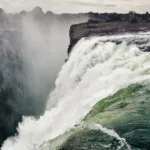
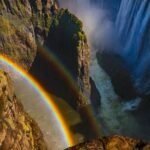
September and October are the hottest months in Zimbabwe, with temperatures reaching up to 35°C. However, the weather is still dry and sunny, making it an excellent time to visit the country’s many attractions. The Victoria Falls, one of the world’s largest waterfalls, is a must-see destination in Zimbabwe. The falls are at their fullest during the wet season, but they are still impressive during the dry season. Visitors can take a helicopter ride over the falls or go bungee jumping from the Victoria Falls Bridge.

The wet season in Zimbabwe runs from November to April. During this time, the weather is hot and humid, with temperatures ranging from 20°C to 30°C. The rainfall can be heavy, and visitors should be prepared for occasional thunderstorms. The wet season is not the best time to visit Zimbabwe’s national parks, as the heavy rainfall can make the roads impassable and the wildlife harder to spot. However, the wet season is an excellent time to visit the country’s many waterfalls, including the Victoria Falls, the Chinhoyi Caves, and the Mutarazi Falls.

December to February is the peak of the wet season in Zimbabwe. The rainfall is at its heaviest during this time, and visitors should be prepared for frequent thunderstorms. However, the wet season is also the best time to see Zimbabwe’s many bird species. The country is home to over 670 bird species, including the African fish eagle, the lilac-breasted roller, and the southern ground hornbill. Visitors can go on bird watching tours in the country’s many national parks and nature reserves.

March to April is the end of the wet season in Zimbabwe. The rainfall begins to decrease, and the weather becomes milder. This is an excellent time to visit the country’s many cultural attractions, including the Great Zimbabwe Ruins, the Matobo Hills, and the National Heroes Acre. These sites offer a glimpse into Zimbabwe’s rich cultural heritage and are a must-see for anyone interested in history and archaeology.

When planning a trip to Zimbabwe, it is essential to pack appropriately for the weather. During the dry season, visitors should pack light clothing, sunscreen, and a hat to protect themselves from the sun. Insect repellent is also recommended, as mosquitoes can be a problem in some areas. During the wet season, visitors should pack waterproof clothing, including a raincoat and waterproof shoes. It is also essential to bring insect repellent, as mosquitoes are more prevalent during the wet season.

In conclusion, Zimbabwe has a tropical climate, with two main seasons: the dry season and the wet season. The dry season runs from May to October, while the wet season runs from November to April. The best time to visit Zimbabwe depends on what activities you plan to do and what attractions you want to see. The dry season is the best time for outdoor activities and wildlife viewing, while the wet season is the best time for bird watching and visiting waterfalls. Visitors should pack appropriately for the weather and be prepared for occasional thunderstorms and mosquitoes. Zimbabwe is a beautiful country with much to offer, and a trip there is sure to be an unforgettable experience.

  • Print
  • +-
    Font Size