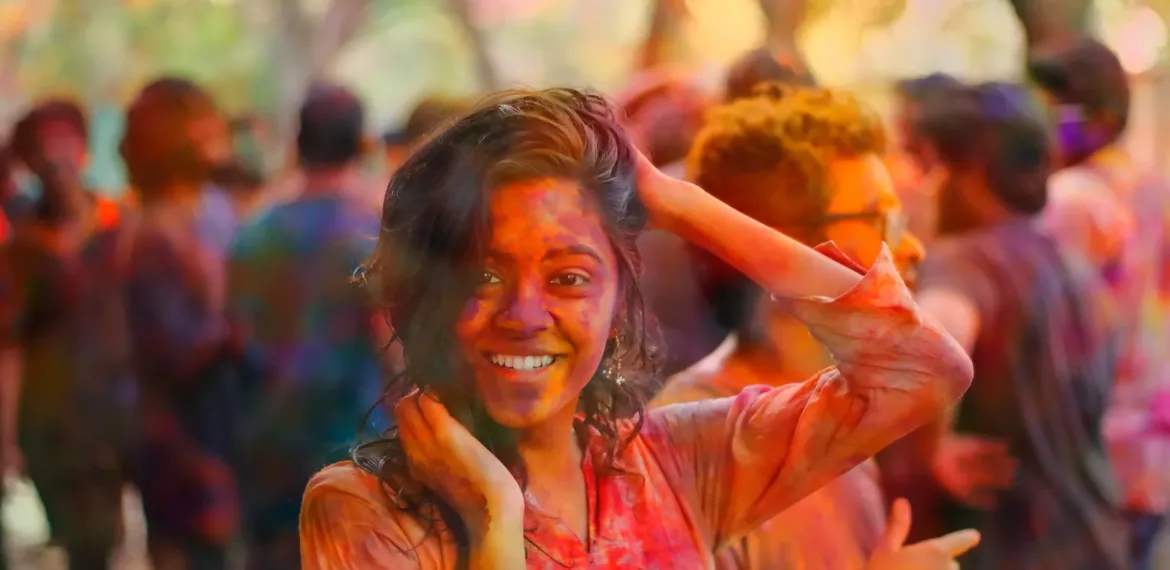
“Discover Zimbabwe’s rich culture and avoid cultural missteps during your travels.”
Related
All related contents.
Related Posts

Discover the rich natural and cultural heritage of Zimbabwe at the Natural History Museum in Bulawayo.

Discover the rich history of Masvingo and the Great Zimbabwe Ruins, a window into the past of an ancient civilization.

Discover the beauty of Zimbabwe’s Kariba: where nature meets adventure.

Discover the wonders of Zimbabwe’s past at Great Zimbabwe National Monument.

Experience the natural wonders of Zimbabwe at Matobo National Park in Bulawayo.

Tagline: Discover the charm and history of Bulawayo, Zimbabwe’s cultural capital.

Discover the vibrant essence of Zimbabwean and African art at the National Gallery of Zimbabwe in Harare.
Discover the natural wonders of Zimbabwe at Lake Kariba.

Experience the vibrant culture and natural beauty of Harare, Zimbabwe’s bustling capital city.

Discover the beauty of Mutare, Zimbabwe’s hidden gem in the Eastern Highlands.

Discover the natural beauty of Zimbabwe at Mukuvisi Woodlands in Harare.

Discover the rich history and architectural wonders of Zimbabwe at Bulawayo and Khami Ruins.

Discover the natural beauty of Zimbabwe’s Chimanimani Mountains.

Discover the wild side of Zimbabwe at Antelope Park in Gweru.

Discover the wild beauty of Zimbabwe at Kariba and Matusadona National Park.
Experience the thrill of Africa’s untamed wilderness in Hwange National Park, Zimbabwe’s largest national park.
Discover the natural beauty of Zimbabwe at Nyanga National Park in the Eastern Highlands.
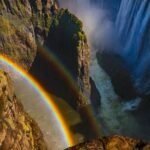
Experience the wonder of nature at Zimbabwe’s Victoria Falls.
Discover the wonder of Victoria Falls in Zimbabwe – where adventure meets natural beauty.
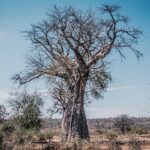
Explore the wild beauty of Zimbabwe’s Hwange National Park and experience the African Big Five in their natural habitat.
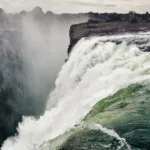
Experience Zimbabwe: A Curated Collection of the Nation’s Most Captivating Sights
Discover the wonders of Zimbabwe in Chinhoyi, where adventure and natural beauty converge.
Discover the captivating history and natural beauty of Masvingo, Zimbabwe.

Discover the beauty of Zimbabwe at Kuimba Shiri Bird Sanctuary in Harare.
Discover Zimbabwe’s untamed wilderness at Gonarezhou National Park.