Contents
Thai culture runs on Theravada Buddhism, a social hierarchy expressed through the wai greeting, and a shared festival calendar that stops much of the country for days at a time. Most of the etiquette below comes down to two things: keeping your feet low and your manner unhurried around anything connected to a temple, a monk or an elder.
Buddhism and daily life
Around 93.46 per cent of the population identified as Buddhist in the 2018 census1, overwhelmingly of the Theravada tradition, with Muslim communities concentrated in the south making up most of the rest. Temples, or wats, are everywhere outside the biggest cities, and it is common to see monks collecting alms on foot at dawn. None of this asks anything of a visitor, but a quiet, unhurried manner inside a wat compound is expected of everyone who walks through the gate, not just of worshippers.
Festivals that shape the calendar
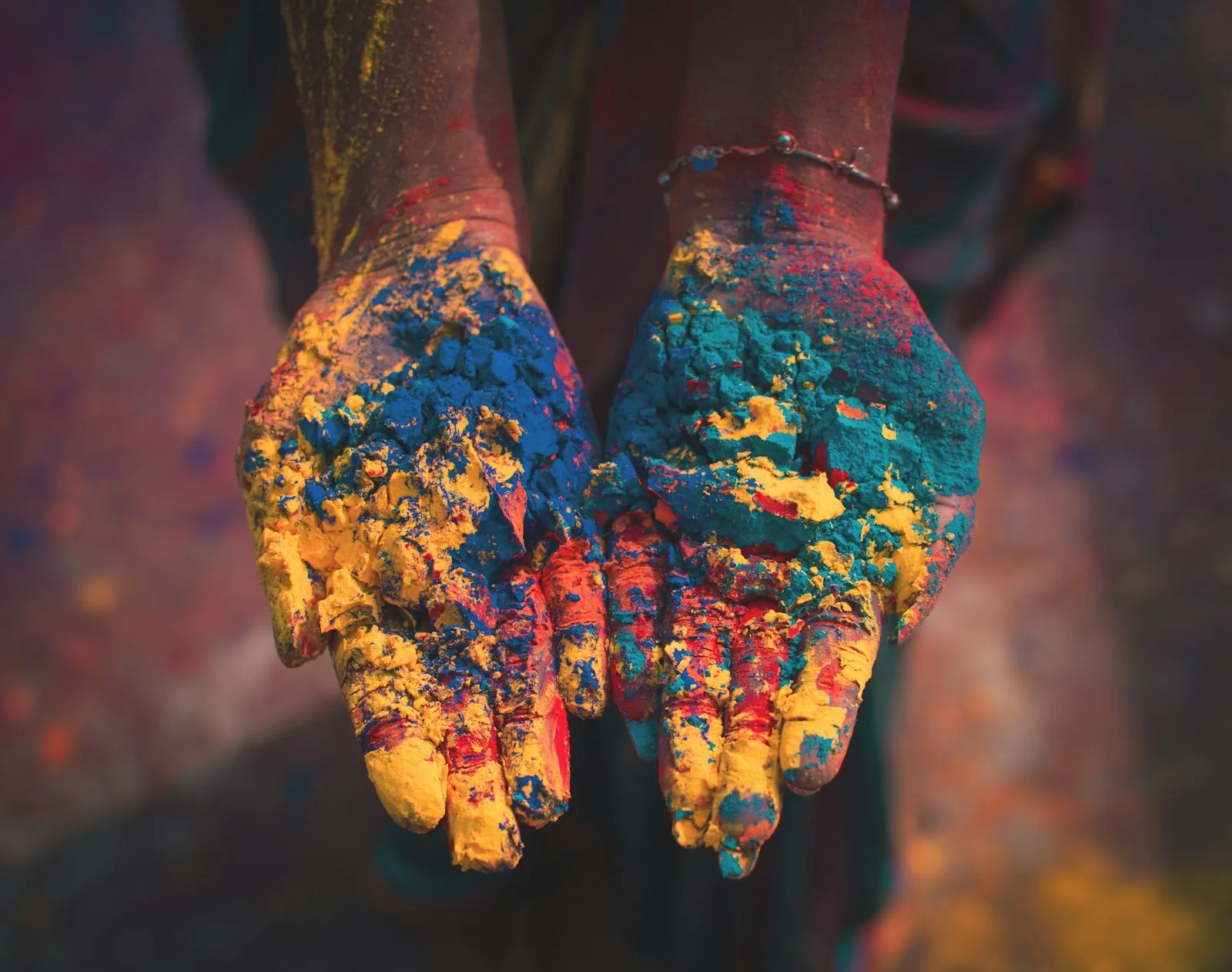
Songkran, the Thai New Year, is a statutory holiday fixed to 12–14 April by the Thai cabinet in 19892 and was added to UNESCO’s Intangible Cultural Heritage list in 20233. Some destinations run longer: Bangkok’s 2026 programme starts events on 9 April4, well ahead of the public holiday. The public water-throwing tourists know it for sits alongside quieter rituals: pouring scented water over elders’ hands and over Buddha images, and visiting a temple to make merit. Loy Krathong falls on the full moon of the 12th month of the traditional lunar calendar, which lands on 24 November in 20265; people float a small banana-leaf or bread basket, a krathong, on a river or canal to let go of a grudge or bad luck from the year. Because one date is fixed and the other moves with the moon, check both against the year you are travelling before booking around them.
The wai and greetings
The wai (palms pressed together, fingertips near the chin, with a slight bow) is Thailand’s standard greeting, and also serves for thanks, apology and goodbye. The higher the hands and the deeper the bow, the more respect it signals; a foreign visitor is not expected to initiate one with staff or strangers but should return a wai offered to them. It usually comes with “sawasdee ka” from a woman or “sawasdee khrap” from a man, the polite particles that mark the speaker’s gender in Thai6.
Language
Thai is the sole official language, written in its own script and spoken with five tones that change a word’s meaning rather than its emphasis; the same syllable can mean different things depending on pitch alone. It has roughly 71 million speakers, and Northern, Southern and Isan (Northeastern) Thai are related regional varieties whose classification as dialects or separate languages is disputed among linguists7, alongside Central Thai, the standard taught in schools and used in Bangkok. Learning the tones is hard to do from a phrasebook; getting the polite particle right at the end of a sentence goes further with locals than near-perfect vocabulary.
Etiquette: head and feet
The head is considered the most important part of the body and the feet the lowest and least respectful8; avoid touching anyone’s head, even a child’s, and avoid pointing your feet at a person, a Buddha image or a monk. The same rule extends to objects associated with status or knowledge, such as books, so resting your feet on one is read the same way as resting them on a person.
Etiquette: temples and dress
Bangkok’s Grand Palace and most working temples require shoulders, knees and ankles to be covered9, with sleeveless tops, shorts and see-through fabric turned away at the gate; shoes come off before the main worship hall. Rental or purchase of a sarong or long trousers is usually available at the entrance for anyone caught out.
Etiquette: eating
Thai food is eaten with a spoon in the right hand and a fork in the left10, the fork used only to push food onto the spoon; chopsticks appear at the table mainly for noodle soups and Chinese-style dishes, not for rice-based plates.
Practical tips
- Return a wai rather than initiate one with hotel or shop staff; a smile and “khap khun khrap/ka” (thank you) cover most everyday interactions.
- Dress for temple visits before you arrive rather than counting on renting on-site during a busy festival week.
- If you accidentally point a foot at someone on crowded transport, a smile and a small apology is enough.
- Keep your voice and temper down in a disagreement; a raised voice is read as a loss of composure rather than a sign of being right.
What to check before you go
- Confirm the current year’s Loy Krathong date before booking, since it moves with the lunar calendar.
- Check whether your destination runs an extended Songkran programme beyond the fixed 12–14 April holiday.
- Pack at least one outfit that covers shoulders and knees for temple visits.
- The emergency number and currency are in the facts box.