Why go
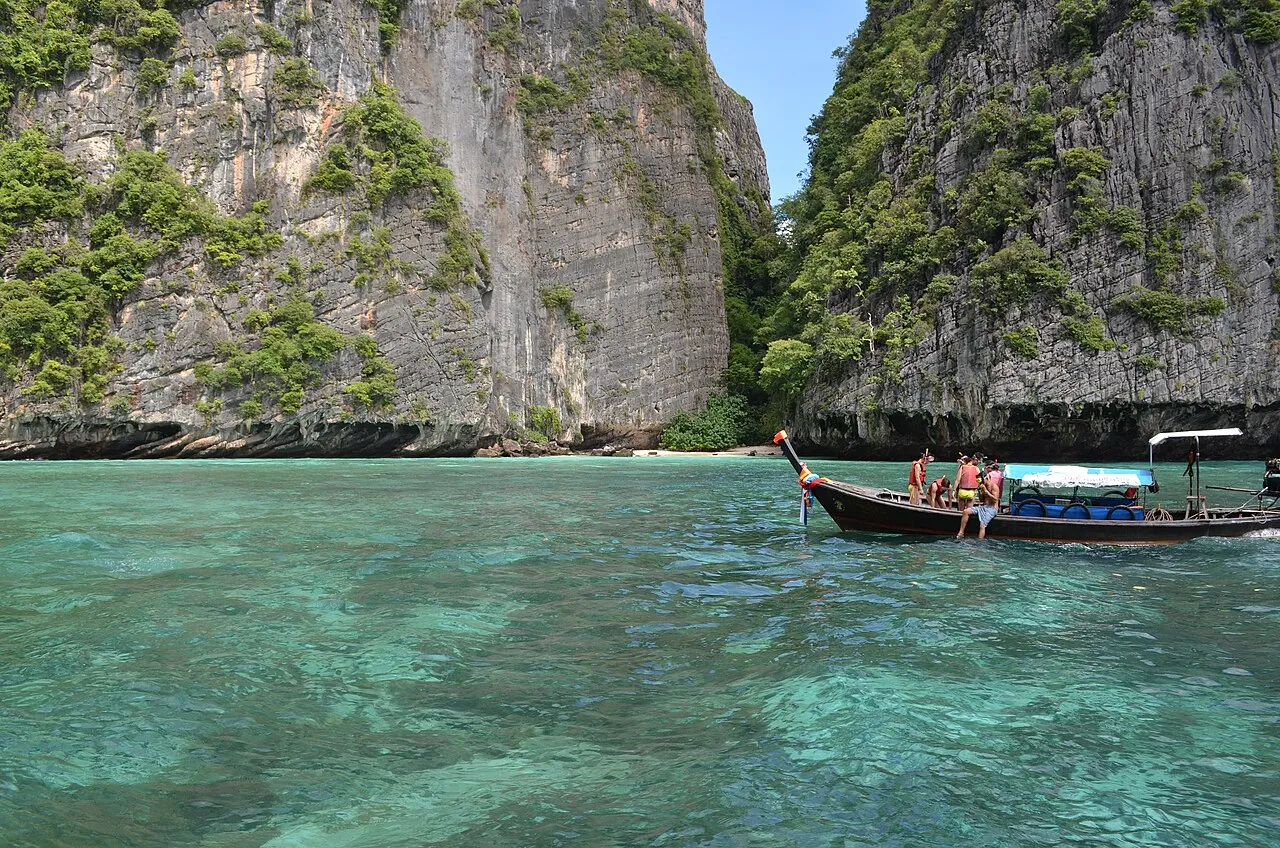
“Similan” is a Yawi word meaning “nine”1, and the name still describes the park’s core: nine islands — Ko Bon, Ko Bangu, Ko Similan, Ko Payu, Ko Ha, Ko Miang, Ko Payan, Ko Payang and Ko Huyong — listed by Thailand’s national park authority as Mu Ko Similan National Park. A tenth island, Ko Tachai, was annexed to the park in 1988, adding 12 square kilometres to its area, which is why some maps and operators count ten islands rather than nine. The park was gazetted in 1982 as Thailand’s 43rd national park, covering 87,500 rai (about 140 square kilometres) of sea and land, of which only 16,250 rai (about 26 square kilometres)2 is actual island.
The islands sit in the Andaman Sea roughly 90 kilometres from Hat Patong pier in Phuket, or 70 kilometres from Thap Lamu pier further north near Khao Lak, which is the shorter and more common departure point. From Thap Lamu, the crossing takes about 90 minutes by speedboat2; day trips and liveaboards from Phuket run longer, since they cover the extra distance down the coast first.
Divers rate the Similans among the best sites in Thailand for a reason: the sea here averages around 60 feet (18 metres) deep, shallow enough for good light to reach the reefs, and the park is an Important Bird Area as well as a marine one, supporting the vulnerable pale-capped pigeon on the forested islands above the waterline. Underwater, Ko Similan itself has rock formations in shapes people read as deer, leaves, brains and mushrooms1, sitting alongside the coral. Go for the diving and snorkelling first; the islands’ white beaches are the surface-interval reward.
What you will see
Above water, each of the nine core islands is numbered one to nine by the park in addition to its name, a leftover of how rangers and boat crews refer to them on the water rather than a separate naming system. Ko Similan and Ko Miang carry the park’s ranger stations and are where most day-trip boats land, with short nature trails through the island forest for bird and butterfly watching2 between dives.
Below water is the main event. The park’s own material lists sharks, blue marlin, and reef fish such as butterfly fish and angelfish2 among the regular sightings, alongside the whale sharks and turtles that draw repeat visitors. Ko Tachai, the island annexed in 1988, was closed to tourists from October 2016 to let its reef recover from over-tourism, reopening in October 2018 under the park’s daily visitor quota1 described below.
Visiting: hours, admission, booking
Admission and the facts box hours are on this page. Read the hours figure with care: the park’s official page does not publish a single daily gate-opening time, because the whole park only exists to visitors during the open season below — the 07:00–20:00 figure in the box is the daily hours for the park’s on-site welfare shop, the only same-facility hours the official page states, not a guarantee of when a given day’s boat will land or leave.
What is fixed is the season. The park is open from 15 October to 15 May and closed the rest of the year, from 16 May to 14 October2, while the southwest monsoon makes the crossing and the anchorages unsafe; nobody dives or camps here outside that window, whatever a tour operator’s website might imply. Since the 2018 reopening after a period of over-tourism, the park has also capped visitor numbers at 3,850 people a day1, down from an estimated 7,000 a day beforehand, so book a day trip a little ahead in high season (December to March) rather than turning up at the pier and hoping.
Admission is charged per person at the gate or through your tour operator; the facts box carries the current foreign-adult rate. Diving and equipment, boat transfer, and any overnight camping on Ko Miang or Ko Similan are booked and paid separately from the park fee itself.
Getting there
Almost every visitor arrives by boat rather than under their own power, since there is no public ferry timetable and no way to reach the islands overland. Speedboats and day-trip catamarans leave from Thap Lamu pier near Khao Lak, about 100 kilometres by road from Phuket airport2, and most tours are sold as a full return package: hotel pickup in Phuket or Khao Lak, the boat crossing, snorkelling or diving stops, and lunch on one of the islands. Independent travel — turning up at the pier without a booked boat — is possible but leaves you competing with tour groups for space and without a fixed return time, so most people book through an operator instead.
Liveaboard diving trips run from Phuket and Khao Lak too, usually as multi-day itineraries that also cover Koh Bon, Koh Tachai and Richelieu Rock further north, rather than day trips confined to the core nine islands.
Nearby
The park sits well off the west coast of Phang Nga province, closer to Khao Lak than to Phuket town, so anyone building a longer Andaman itinerary usually pairs a Similan day trip with a few nights in Khao Lak rather than a same-day round trip from Phuket. Back on Phuket itself, the Phuket page covers Patong Beach, the Old Town and the island’s other beaches for the days you are not out on the water.
_Za3zm0.webp)