“Discover Algeria: Unveil the Wonders of Ancient History, Pristine National Parks, and Vibrant Culture”
Exploring Algeria’s Top Attractions: A Journey Through History, Nature, and Culture
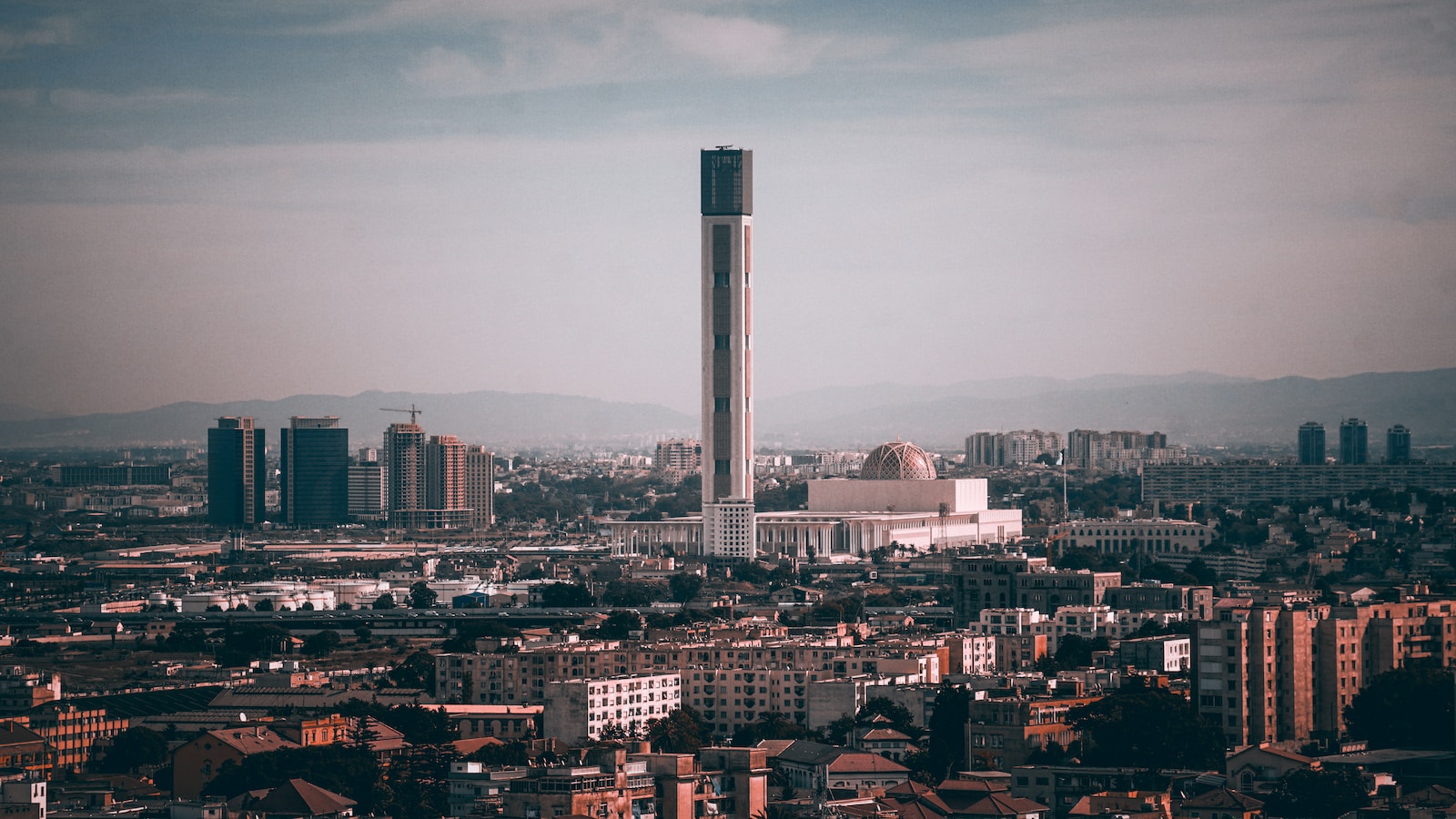
Algeria, the largest country in Africa, is a land of contrasts, with its ancient cities, Roman ruins, stunning landscapes, and vibrant culture. This North African gem is a treasure trove of history, nature, and culture, offering a unique experience for travelers seeking adventure and discovery. From the bustling streets of Algiers to the serene beauty of the Sahara Desert, Algeria’s top attractions are sure to leave a lasting impression on those who venture to explore them.
The journey begins in Algiers, the capital city of Algeria, which is a fascinating blend of old and new. The city’s rich history is evident in its architecture, with French colonial buildings standing alongside ancient mosques and palaces. One of the most iconic landmarks in Algiers is the Ketchaoua Mosque, which dates back to the 17th century and has served as both a mosque and a cathedral during its long history. The mosque is located in the heart of the Casbah, a UNESCO World Heritage site that is a labyrinth of narrow streets, staircases, and traditional houses. Exploring the Casbah is like stepping back in time, as you wander through its winding alleys and discover hidden treasures around every corner.
As you continue your journey through Algeria, you’ll find that the country is home to some of the most well-preserved Roman ruins in the world. The ancient city of Timgad, also known as Thamugadi, is a prime example of this. Founded in the 1st century AD by Emperor Trajan, Timgad was designed as a perfect Roman city, with a grid layout, a forum, a basilica, and an impressive triumphal arch. Today, visitors can walk through the ruins and marvel at the intricate mosaics and well-preserved structures that have stood the test of time.
Another must-see historical site in Algeria is the ancient city of Djémila, which is nestled in the mountains and offers stunning views of the surrounding countryside. Djémila, which means “beautiful” in Arabic, was once a thriving Roman city and is now a UNESCO World Heritage site. The city’s ruins include a forum, basilicas, temples, and a theater, all of which showcase the incredible craftsmanship and architectural prowess of the Romans.
Algeria’s natural beauty is just as captivating as its historical sites, with the vast Sahara Desert being one of the country’s most awe-inspiring attractions. The desert covers more than 80% of Algeria and offers a unique and unforgettable experience for those who venture into its golden sands. One of the best ways to explore the Sahara is by embarking on a camel trek, which allows you to fully immerse yourself in the desert’s serene beauty and experience the traditional nomadic lifestyle of the Tuareg people. As you traverse the dunes, you’ll be treated to breathtaking vistas and unforgettable sunsets, making the Sahara an essential stop on any Algerian adventure.
In addition to its desert landscapes, Algeria also boasts stunning coastal scenery, with the Turquoise Coast being a prime example. This stretch of coastline, which is located in the Kabylie region, is known for its crystal-clear waters, sandy beaches, and picturesque fishing villages. The Turquoise Coast is a haven for water sports enthusiasts, with opportunities for swimming, snorkeling, and scuba diving in the warm Mediterranean waters. The coastal town of Bejaia is a popular destination along the Turquoise Coast, offering a charming mix of history, culture, and natural beauty.
Algeria’s rich culture is another aspect that makes the country a fascinating destination for travelers. The country is home to a diverse array of ethnic groups, including Berbers, Arabs, and Tuaregs, each with their own unique customs, traditions, and languages. This cultural diversity is reflected in Algeria’s vibrant arts scene, which includes traditional music, dance, and crafts. One of the best ways to experience Algerian culture is by attending one of the country’s many festivals, such as the Timgad International Music Festival, which showcases a variety of musical styles from around the world, or the Ghardaia Carpet Festival, which celebrates the region’s traditional weaving techniques.
Algeria’s museums also offer a fascinating insight into the country’s history and culture. The Bardo National Museum of Prehistory and Ethnography in Algiers is a must-visit for anyone interested in Algeria’s ancient past, with its extensive collection of artifacts and exhibits showcasing the country’s prehistoric and early historic periods. The Museum of Modern Art of Algiers, on the other hand, offers a glimpse into Algeria’s contemporary art scene, featuring works by both local and international artists.
As you explore Algeria’s top attractions, you’ll also have the opportunity to sample the country’s delicious cuisine, which is a mouthwatering blend of Mediterranean, Arab, and Berber influences. Traditional Algerian dishes include couscous, tagine, and mechoui, which are often accompanied by fresh salads, olives, and crusty bread. Be sure to also try some of the country’s sweet treats, such as makroud, a date-filled pastry, or kalb el louz, a semolina and almond cake soaked in syrup.
In conclusion, Algeria is a captivating destination that offers a wealth of history, nature, and culture for travelers to discover. From the ancient ruins of Timgad and Djémila to the breathtaking beauty of the Sahara Desert and the Turquoise Coast, Algeria’s top attractions are sure to leave a lasting impression on those who venture to explore them. So why not embark on a journey through this fascinating North African country and experience all that it has to offer?

Related
All related contents.
Related Posts

Discover the ancient beauty of Algiers’ Casbah.

Experience the beauty and culture of Annaba, Algeria.

Discover the vibrant culture and stunning beauty of Oran, Algeria’s gem by the sea.

Discover Oran’s rich cultural heritage at Le Theatre d’Oran.

Explore the captivating beauty and history of Algiers, Algeria’s jewel city.

Discover the mesmerizing allure of Algeria’s Hoggar Mountains and immerse yourself in the wonders of the Sahara Desert.

Discover the cultural treasures of Tlemcen, Algeria – where history and art come alive.

Experience the breathtaking beauty of Constantine’s iconic bridges.

Discover Algeria’s Spanish heritage at Santa Cruz Fort in Oran, with stunning views of the city from atop a hill.

Discover the ancient wonders of Tassili n’Ajjer National Park in Djanet, Algeria.

Discover the rich history and architecture of Tlemcen at the Great Mosque, a true gem of Almoravid style.
Step back in time and explore the captivating Tipaza Roman Ruins in Algeria’s scenic coastal town of Tipaza.

Notre Dame d’Afrique: A serene sanctuary with breathtaking views of the Mediterranean.

Discover the beauty of Setif with Ain El Fouara Fountain.
Discover the ancient beauty of Constantine, Algeria’s City of Bridges.

Emir Abdelkader Mosque in Constantine: A tribute to Algeria’s national hero and a symbol of stunning architecture.

Discover the natural wonders of Gouraya National Park in Bejaia, Algeria.
From Ancient Ruins to Modern Marvels: Algeria’s Top Tourist Attractions
Discover the rich history of Annaba through the fascinating ruins of Hippone.

Explore the treasures of Algeria’s past at Bardo National Museum in Algiers.

Explore the enchanting beauty of Algeria’s Ghardaia and M’zab Valley, where history and tradition meet in the intricate designs of the Mozabite architecture.