“Bosnia and Herzegovina: Where history meets modernity, and ancient bridges hold tales of a world-changing event.”

Related
All related contents.
Related Posts
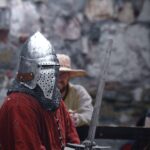
Bosnia and Herzegovina – Where History Meets Beauty at Kastel Fortress and Banja Luka

Discover the natural beauty of Bosnia and Herzegovina at Sarajevo’s Vrelo Bosne.

Bosnia and Herzegovina: Where history meets beauty at the heart of Sarajevo’s Sebilj.

Bosnia and Herzegovina: Discover the Beauty of Jajce and Pliva Waterfall

Bosnia and Herzegovina – A land of resilience and rich history, home to the iconic Sarajevo Tunnel Museum.

Discover the beauty and strength of Bosnia and Herzegovina through the iconic Stari Most bridge in Mostar.

Bosnia and Herzegovina’s Sarajevo: A Cultural Mosaic of History and Architecture.
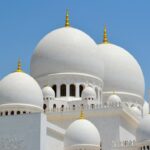
Discover the beauty of Bosnia and Herzegovina through its rich history and stunning architecture, including the impressive 16th-century Gazi Husrev-beg Mosque in Sarajevo.

Discover the charm of Banja Luka: a city rich in history, culture, and natural beauty.

Exploring the Rich Culture and History of Bosnia and Herzegovina

Bosnia and Herzegovina’s Visegrad: Home to the iconic Mehmed Paša Sokolović Bridge, a UNESCO World Heritage site.

Bosnia and Herzegovina’s hidden gem – Jajce, a town of natural beauty and historic charm.
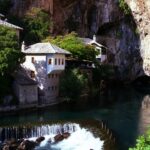
Discover the serenity and beauty of Blagaj Tekija in Bosnia and Herzegovina.

Discover the beauty of Bosnia and Herzegovina with a visit to Mostar’s iconic Koski Mehmed Pasha Mosque.

Bosnia and Herzegovina: Discover the rich history and culture of Sarajevo’s Baščaršija.

Experience the beauty of Bosnia and Herzegovina’s Mostar with its iconic landmarks and rich history

Discover the rich history and beauty of Bosnia and Herzegovina at Počitelj Fortress.
Discover the beauty of Bosnia and Herzegovina through Trebinje and Hercegovačka Gračanica.

Experience the spiritual journey of a lifetime at Medjugorje’s Apparition Hill.
Bosnia and Herzegovina’s Travnik: Discover the Beauty of Ottoman Architecture and Natural Wonders.