Discover the hidden gems of Muyinga, Burundi’s enchanting northeastern city.
“Discover the hidden gems of Muyinga, Burundi’s enchanting northeastern city.”
Muyinga
Burundi is a small, landlocked country in East Africa. It is bordered by Rwanda to the north, Tanzania to the east and south, and the Democratic Republic of Congo to the west. With a population of approximately 11 million people, Burundi is one of the poorest countries in the world.
The capital city of Burundi is Bujumbura, which is located on the shores of Lake Tanganyika. This city is the economic and cultural center of the country, and it is home to many important institutions, including the University of Burundi and the National Museum of Burundi.
Burundi’s economy is primarily based on agriculture, with coffee being the country’s main export. However, the country has struggled with political instability and ethnic conflict, which has hindered its development. In recent years, the government has made efforts to promote economic growth and stability, but progress has been slow.
One of the challenges facing Burundi is its high population density. The country’s small size and growing population have put pressure on the land, leading to deforestation and soil erosion. This has had a negative impact on agriculture, which is the main source of income for many Burundians.
Despite these challenges, Burundi has much to offer visitors. The country is home to a diverse range of wildlife, including elephants, lions, and hippos. The Kibira National Park is a popular destination for tourists, offering hiking trails and opportunities for wildlife viewing.
Burundi is also known for its rich cultural heritage. The country has a long history of traditional dance and music, and visitors can experience these traditions at festivals and cultural events throughout the year. The Burundian drum is particularly famous, and it is considered a symbol of the country’s cultural identity.
One of the most important aspects of Burundian culture is its oral tradition. Storytelling is an important part of Burundian life, and many of the country’s legends and myths have been passed down through generations. These stories often feature animals as characters, and they offer insights into the values and beliefs of Burundian society.
Burundi’s history has been marked by conflict and political instability. In the 1990s, the country was torn apart by ethnic violence, which led to the deaths of hundreds of thousands of people. The government has since made efforts to promote reconciliation and peace, but tensions remain.
Despite these challenges, Burundi is a country with a rich cultural heritage and a vibrant natural environment. Visitors to the country can experience the beauty of Lake Tanganyika, explore the country’s national parks, and learn about the traditions and history of its people. While the country still faces many obstacles, its people remain resilient and optimistic about the future.
Muyinga Market
Nestled in the heart of East Africa, Burundi is a small country that is often overlooked by tourists. However, for those who are willing to venture off the beaten path, there are many hidden gems to be found in this beautiful nation. One such gem is the Muyinga Market, located in the northeastern part of the country.
The Muyinga Market is a vibrant hub of activity, where locals come to buy and sell a wide variety of goods. From fresh produce to handmade crafts, the market offers something for everyone. Walking through the bustling aisles, you will be greeted by the sights and sounds of vendors hawking their wares, the smells of spices and fresh baked bread, and the chatter of locals bargaining for the best prices.
One of the most striking things about the Muyinga Market is the diversity of goods on offer. You can find everything from traditional Burundian clothing and jewelry to imported electronics and household items. The market is also a great place to sample local cuisine, with vendors selling everything from grilled meat skewers to fresh fruit smoothies.
Despite its vibrant atmosphere, the Muyinga Market is not without its challenges. Like many markets in developing countries, it can be a chaotic and overwhelming experience for first-time visitors. It is important to keep your wits about you and be aware of your surroundings, as pickpocketing and other petty crimes can be a problem in crowded areas.
However, with a little bit of caution and common sense, the Muyinga Market is a fantastic place to explore and immerse yourself in Burundian culture. Whether you are looking to haggle for a unique souvenir or simply soak up the sights and sounds of daily life in Burundi, the market is an experience not to be missed.
One of the things that makes the Muyinga Market so special is the sense of community that pervades the area. Vendors and customers alike are friendly and welcoming, eager to share their stories and experiences with visitors. It is a great place to meet locals and learn more about Burundi beyond the usual tourist hotspots.
If you are planning a trip to Burundi, be sure to add the Muyinga Market to your itinerary. It is a true hidden gem, offering a glimpse into the daily life and culture of this fascinating country. Whether you are a seasoned traveler or a first-time visitor, the market is sure to leave a lasting impression on you.
Kibira National Park
Burundi is a small landlocked country located in East Africa, bordered by Tanzania, Rwanda, and the Democratic Republic of Congo. Despite its small size, Burundi is home to some of the most beautiful landscapes and natural wonders in the region, including the Kibira National Park.
The Kibira National Park is one of Burundi’s most prized possessions, covering an area of 400 square kilometers. It is located in the northwestern part of the country and is characterized by lush green forests, rolling hills, and stunning waterfalls. The park is home to a variety of wildlife species, including chimpanzees, baboons, colobus monkeys, and over 200 bird species.
One of the main attractions of the Kibira National Park is its dense forest, which is estimated to be over 200 years old. The forest is home to a variety of plant species, including the East African mahogany, which is highly valued for its wood. The park is also home to several waterfalls, including the Chutes de la Kagera, which is one of the highest waterfalls in the region, with a height of over 100 meters.
The Kibira National Park is also a popular destination for birdwatchers, with over 200 bird species recorded in the park. Some of the most popular bird species include the African grey parrot, the great blue turaco, and the red-faced barbet. The park is also home to several species of primates, including chimpanzees, baboons, and colobus monkeys.
Visitors to the Kibira National Park can also enjoy a variety of outdoor activities, including hiking, camping, and nature walks. The park has several hiking trails, ranging from easy to difficult, that offer visitors the chance to explore the park’s lush forests and stunning waterfalls. Camping is also allowed in designated areas of the park, allowing visitors to spend the night in the heart of the park’s wilderness.
Despite its beauty and natural wonders, the Kibira National Park faces several challenges, including poaching and deforestation. The park has been a target for poachers, who hunt wildlife species for their meat and ivory. Deforestation is also a major threat to the park’s ecosystem, with illegal logging and charcoal production being the main culprits.
To address these challenges, the Burundi government has implemented several measures to protect the Kibira National Park. The government has increased the park’s ranger force, providing them with equipment and training to combat poaching and illegal logging. The government has also launched several awareness campaigns to educate the local population on the importance of protecting the park’s ecosystem.
the Kibira National Park is a must-visit destination for anyone traveling to Burundi. Its lush forests, stunning waterfalls, and diverse wildlife make it one of the most beautiful natural wonders in the region. However, visitors must also be aware of the challenges facing the park and do their part in protecting its ecosystem. By supporting the government’s efforts to combat poaching and deforestation, visitors can help ensure that the Kibira National Park remains a natural treasure for generations to come.
Rugombo Waterfall
Burundi is a small country in East Africa that is often overlooked by tourists. However, this country is home to many beautiful natural wonders, including the Rugombo Waterfall. This waterfall is a must-visit destination for anyone traveling to Burundi.
The Rugombo Waterfall is located in the western part of Burundi, near the border with the Democratic Republic of Congo. It is situated on the Rusizi River, which flows into Lake Tanganyika. The waterfall is approximately 20 meters high and is surrounded by lush green vegetation.
To get to the Rugombo Waterfall, you will need to take a short hike through the forest. The hike is not too difficult and takes about 30 minutes. Along the way, you will see many different types of trees and plants, as well as small streams and pools of water. It is a beautiful and peaceful walk that will help you to connect with nature.
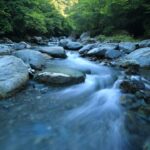
Once you reach the waterfall, you will be amazed by its beauty. The water cascades down the rocks in a graceful and powerful manner, creating a mist that fills the air. The sound of the water is soothing and calming, and you will feel at peace as you stand and admire the waterfall.
There are many different ways to enjoy the Rugombo Waterfall. You can simply stand and admire it from a distance, or you can get up close and feel the water on your skin. There is a small pool at the base of the waterfall where you can swim or wade in the water. This is a great way to cool off on a hot day and to get a closer look at the waterfall.
If you are feeling adventurous, you can also climb up the rocks next to the waterfall. This will give you a different perspective on the waterfall and will allow you to see it from a higher vantage point. However, you should be careful when climbing and make sure to wear appropriate footwear.
The Rugombo Waterfall is not just a beautiful natural wonder, it also has cultural significance for the people of Burundi. The Rusizi River is an important source of water and food for many people in the region, and the waterfall is considered to be a sacred site. It is believed that the waterfall has healing powers and that it can bring good luck to those who visit it.
If you are planning a trip to Burundi, make sure to include a visit to the Rugombo Waterfall on your itinerary. It is a beautiful and peaceful destination that will help you to connect with nature and to appreciate the beauty of this small African country. Whether you are a seasoned traveler or a first-time visitor, the Rugombo Waterfall is a destination that should not be missed.
Ruvubu National Park
Burundi is a small country located in East Africa, known for its stunning natural beauty and diverse wildlife. One of the most popular tourist destinations in the country is the Ruvubu National Park, which is home to a wide variety of flora and fauna.
The Ruvubu National Park is located in the north-eastern part of Burundi, covering an area of approximately 5,400 square kilometers. The park is named after the Ruvubu River, which runs through it, providing a constant source of water for the animals that live there.
The park is home to a diverse range of wildlife, including elephants, buffalos, lions, leopards, and several species of antelopes. It is also home to over 400 species of birds, making it a bird-watcher’s paradise. Visitors can take guided tours of the park to spot the different animals and birds that live there.
One of the most popular activities in the Ruvubu National Park is hiking. The park has several hiking trails that take visitors through the different habitats and landscapes of the park. From dense forests to open grasslands, visitors can experience the different ecosystems that make up the park.
Another popular activity in the park is camping. The park has several camping sites that offer visitors the opportunity to spend a night in the wilderness. Visitors can enjoy a campfire under the stars, listen to the sounds of the animals at night, and wake up to the beautiful sunrise over the park.
The Ruvubu National Park is also an important conservation area. It is home to several endangered species, including the African wild dog and the chimpanzee. The park has several conservation programs in place to protect these animals and their habitats. Visitors can learn about these programs and the work being done to protect the wildlife in the park.
In addition to its wildlife, the Ruvubu National Park is also known for its stunning scenery. The park has several waterfalls, including the impressive Karera Falls, which drops 30 meters into a deep pool below. Visitors can swim in the pool or take a refreshing shower under the waterfall.
The park also has several viewpoints that offer panoramic views of the park and the surrounding landscape. From these viewpoints, visitors can see the Ruvubu River winding its way through the park, the lush green forests, and the open grasslands.
Visitors to the Ruvubu National Park should be prepared for the rugged terrain and the hot and humid climate. The park is best visited during the dry season, from June to September, when the weather is cooler and the animals are more visible.
the Ruvubu National Park is a must-visit destination for anyone traveling to Burundi. With its diverse wildlife, stunning scenery, and important conservation programs, the park offers visitors a unique and unforgettable experience. Whether you’re a nature lover, a hiker, or a bird-watcher, the Ruvubu National Park has something for everyone.