“Discover the Heart of Africa: Embrace Burundi’s Rich Culture with Respect and Understanding.”
Related
All related contents.
Related Posts

Discover the rich history and natural beauty of Burundi in Bujumbura, home to the Livingstone-Stanley Monument.
Discover the natural beauty of Burundi in Rutana.
Discover the hidden gems of Muyinga, Burundi’s enchanting northeastern city.

Discover the natural beauty of Burundi at Rusizi National Park.

Discover the beauty of Bujumbura and unwind at Saga Beach on the tranquil shores of Lake Tanganyika.

Discover the rich heritage of Burundi at Gasumo Royal Palace in Bujumbura.
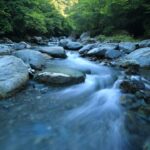
Discover the beauty of Burundi with a Rusizi River adventure.

Bujumbura: Discover the Source of the Nile and Find Your Peaceful Escape.

Bujumbura’s Musee Vivant: Experience Burundi’s rich culture and wildlife up close.

Discover the hidden gem of Africa in Burundi, where Bujumbura and Lake Tanganyika meet for a serene and picturesque getaway.

Experience the vibrancy of Burundi’s capital city in Bujumbura.

Discover the vibrant past of Burundi at Gitega National Museum.

Discover the natural wonders of Burundi at Ruvubu National Park, home to majestic elephants, buffaloes, and antelopes.
Discover the rich history and natural beauty of Gitega, Burundi’s political capital.

Discover the wild side of Burundi at Parc des Reptiles in Bujumbura.

Discover the vibrant culture and natural wonders of Ngozi, Burundi.

Discover the natural beauty of Burundi – Bujumbura and Karera Waterfalls await!

Discover the natural beauty of Burundi from the summit of Mount Heha.

Experience the natural wonders of Burundi at Kibira National Park, home to exotic wildlife and breathtaking scenery.
Adventuring in the Heart of Africa: Burundi’s Top Travel Destinations

Discover the wonders of nature in Burundi’s Kigwena Natural Forest Reserve