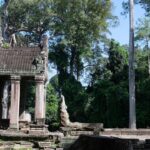
Explore the wonders of ancient Angkor and soak in the vibrant energy of Siem Reap.
“Explore the wonders of ancient Angkor and soak in the vibrant energy of Siem Reap.”
Siem Reap
Cambodia is a country rich in history and culture, and one of the best places to experience this is in the city of Siem Reap. Siem Reap is home to the ancient wonders of Angkor Wat, Bayon Temple, Ta Prohm, and Angkor Thom. These temples are some of the most impressive and well-preserved examples of Khmer architecture in the world, and they offer a glimpse into the fascinating history of this region.
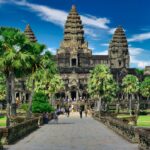
Angkor Wat is perhaps the most famous of the temples in Siem Reap. This massive temple complex was built in the 12th century and was originally dedicated to the Hindu god Vishnu. Later, it was converted to a Buddhist temple and has remained a place of worship ever since. The temple is surrounded by a moat and features five towers that represent the peaks of Mount Meru, the home of the gods in Hindu mythology. The intricate carvings and bas-reliefs that cover the walls of Angkor Wat are some of the most impressive examples of Khmer art in the world.
Bayon Temple is another must-see attraction in Siem Reap. This temple was built in the late 12th or early 13th century and is known for its many towers, each of which features a face carved into the stone. These faces are thought to represent the bodhisattva Avalokiteshvara, who is associated with compassion in Buddhism. The temple is also home to many intricate carvings and bas-reliefs that depict scenes from daily life in ancient Cambodia.
Ta Prohm is a temple that has been left largely untouched since it was rediscovered in the 19th century. The temple was built in the late 12th or early 13th century and was dedicated to the mother of King Jayavarman VII. The temple is now famous for the way that the jungle has taken over the ruins, with massive trees and vines growing out of the stone. This creates a haunting and otherworldly atmosphere that is unlike anything else in Siem Reap.
Finally, Angkor Thom is a massive temple complex that was built in the late 12th century. The complex is surrounded by walls and features many impressive structures, including the Bayon Temple and the Terrace of the Elephants. The Terrace of the Elephants is a long platform that is decorated with carvings of elephants and other animals. It was used by the king as a viewing platform for public ceremonies and processions.
Exploring these ancient wonders is an unforgettable experience. The temples are all located within a short distance of each other, so it is easy to visit all of them in a single day. However, it is worth taking your time to fully appreciate the intricate carvings and bas-reliefs that cover the walls of these temples. Many of the carvings tell stories from ancient Cambodian mythology, and they offer a fascinating glimpse into the beliefs and values of the Khmer people.
It is also worth noting that Siem Reap has much more to offer than just these ancient temples. The city is home to a vibrant night market, where you can find all sorts of souvenirs and local handicrafts. There are also many excellent restaurants and bars in the city, where you can sample delicious Khmer cuisine and relax with a cold beer after a long day of exploring the temples.
Siem Reap is a truly unique destination that offers a glimpse into the fascinating history and culture of Cambodia. The ancient temples of Angkor Wat, Bayon Temple, Ta Prohm, and Angkor Thom are some of the most impressive examples of Khmer architecture in the world, and they are well worth a visit. However, the city also offers much more than just these ancient wonders, with a vibrant nightlife and excellent food and drink options. If you are looking for a destination that combines history, culture, and adventure, then Siem Reap should definitely be on your list.
Angkor Wat
Cambodia is a country that is steeped in heritage and culture, and one of the best ways to experience this is by exploring the ancient temples of Siem Reap. Siem Reap is a city located in the northwestern part of Cambodia, and it is home to some of the most magnificent temples in the world. These temples are a testament to the grandeur and sophistication of the Khmer Empire, which was once one of the most powerful empires in Southeast Asia.
One of the most famous temples in Siem Reap is Angkor Wat. This temple is the largest religious monument in the world and was built in the 12th century. The temple was originally constructed as a Hindu temple but was later converted into a Buddhist temple. The temple is surrounded by a moat and is accessed through a series of gates. The temple is known for its intricate bas-reliefs and carvings, which depict scenes from Hindu mythology.
Another temple worth exploring in Siem Reap is Bayon Temple. This temple is known for its iconic stone faces, which are carved into the walls of the temple. The temple was built in the late 12th century and was the state temple of King Jayavarman VII. The temple is located in the center of Angkor Thom, which was the capital city of the Khmer Empire.
Ta Prohm is another temple that is worth exploring in Siem Reap. This temple is known for its jungle setting and its fusion of nature and architecture. The temple was built in the late 12th and early 13th centuries and was dedicated to the mother of King Jayavarman VII. The temple is known for its overgrown trees, which have grown around and through the temple’s structures.
Angkor Thom is another must-visit destination in Siem Reap. This was the last capital of the Khmer Empire and was built in the late 12th century. The city was fortified with walls and moats and was home to many of the empire’s most important buildings and temples. The city is accessed through a series of gates, each of which is decorated with intricate carvings and sculptures.
Exploring the temples of Siem Reap is an unforgettable experience. These temples are a testament to the grandeur and sophistication of the Khmer Empire and are a reminder of the incredible architectural achievements of this ancient civilization. The temples are also a reminder of the importance of preserving our cultural heritage and the need to protect these ancient structures for future generations.
Visiting Siem Reap’s temples is not just about exploring ancient ruins. It is also an opportunity to learn about the history and culture of Cambodia, to experience the local way of life, and to interact with the friendly and welcoming people of this beautiful country. Whether you are a history buff, an architecture enthusiast, or simply looking for a unique and unforgettable travel experience, Siem Reap’s temples are a must-visit destination. So pack your bags, book your ticket, and get ready to discover the ancient wonders of Cambodia.
Bayon Temple
Bayon Temple is one of the most iconic structures in the Angkor Archaeological Park, located in Siem Reap, Cambodia. Built in the late 12th century by King Jayavarman VII, the temple is known for its impressive architecture and intricate carvings.
As visitors approach the temple, they are immediately struck by the 54 towers that rise up from the central sanctuary. Each tower is adorned with four faces, believed to represent the bodhisattva Avalokiteshvara, who embodies compassion in the Buddhist religion. The faces are said to represent the four virtues of the bodhisattva: kindness, compassion, sympathy, and equanimity.
The temple is also known for its bas-reliefs, which depict scenes from everyday life in ancient Cambodia. These carvings offer a glimpse into the culture and society of the Khmer Empire, which once ruled over much of Southeast Asia.
One of the most famous bas-reliefs at Bayon Temple is the Churning of the Ocean of Milk, which depicts the Hindu creation myth. The relief shows a group of gods and demons churning the ocean in order to create the elixir of immortality. The story is a metaphor for the struggle between good and evil, and the constant cycle of creation and destruction.
Despite its impressive architecture and historical significance, Bayon Temple has not always been well-preserved. The temple suffered significant damage during the civil war in Cambodia in the 1970s, and many of its carvings were looted or destroyed. In recent years, however, efforts have been made to restore and protect the temple, and it has become a popular destination for tourists from around the world.
Visitors to Bayon Temple can explore the various levels and galleries of the structure, which offer different perspectives on the temple’s architecture and carvings. The upper level, in particular, offers stunning views of the surrounding jungle and the other temples in the Angkor Archaeological Park.
As with all of the temples in the Angkor Archaeological Park, visitors to Bayon Temple are encouraged to respect the site’s historical and cultural significance. This includes refraining from climbing on the structures or touching the carvings, which can cause damage over time.
Overall, a visit to Bayon Temple is a must for anyone interested in exploring the ancient wonders of Cambodia. With its impressive architecture, intricate carvings, and rich history, the temple offers a fascinating glimpse into the culture and society of the Khmer Empire, and a unique opportunity to connect with the past.
Ta Prohm
Cambodia is a country steeped in history, and nowhere is this more apparent than in the ancient temples of Siem Reap. The most famous of these temples is undoubtedly Angkor Wat, but there are many other incredible sites to explore in the area, including Bayon Temple, Ta Prohm, and Angkor Thom.
One of the most unique and captivating temples in Siem Reap is Ta Prohm. Unlike many of the other temples in the area, Ta Prohm has been left largely untouched by restoration efforts, allowing visitors to see the temple in its natural state. The temple was built in the late 12th and early 13th centuries and was originally dedicated to the mother of King Jayavarman VII.
As you make your way through Ta Prohm, you’ll be struck by the incredible sight of massive trees growing out of the temple’s ruins. These trees, which include the famous strangler figs, have taken over the temple, their roots winding through the stone walls and creating a hauntingly beautiful scene. In some places, the trees have grown so large that they’ve caused significant damage to the temple, leading to ongoing restoration efforts to preserve the site.
Despite its state of disrepair, Ta Prohm still boasts some incredible features. The temple’s central sanctuary is home to a statue of Prajnaparamita, the Buddhist goddess of wisdom, which is one of the few remaining original statues in the temple. The temple’s eastern gopura, or entrance gate, is also impressive, featuring intricate carvings of demons and other mythical creatures.
One of the most fascinating things about Ta Prohm is the way it gives visitors a glimpse into the past. As you wander through the temple’s halls and courtyards, you’ll see evidence of the way the temple was built and how it functioned. For example, the temple’s central sanctuary was originally covered in gold, and you can still see traces of the gold leaf on the walls and ceilings. You’ll also see evidence of the temple’s water management system, which included a series of canals and reservoirs that allowed the temple to function even during the dry season.
While Ta Prohm may not be as well-known as some of Siem Reap’s other temples, it’s definitely worth a visit. The temple’s unique blend of natural and man-made beauty, combined with its fascinating history, make it a must-see for anyone interested in Cambodia’s ancient past. Whether you’re a history buff, a nature lover, or just someone looking for a unique and unforgettable experience, Ta Prohm is sure to leave a lasting impression. So if you’re planning a trip to Siem Reap, be sure to add Ta Prohm to your itinerary and discover one of Cambodia’s most incredible ancient wonders for yourself.
Angkor Thom
Cambodia is a country rich in history and culture, with ancient wonders that continue to amaze visitors from all over the world. One of the most popular destinations in Cambodia is the city of Siem Reap, which is home to some of the most impressive ancient temples and ruins in the world. In this article, we will explore the ancient wonders of Siem Reap, including Angkor Wat, Bayon Temple, Ta Prohm, and Angkor Thom.
Angkor Wat is undoubtedly the most famous and iconic temple in Cambodia. It is a massive complex that was built in the 12th century and is considered one of the largest religious monuments in the world. The temple was originally built as a Hindu temple but was later converted into a Buddhist temple. It is known for its intricate carvings and stunning architecture, which is a mix of Khmer and Indian styles. Visitors can explore the temple’s many halls and galleries, including the central sanctuary, which houses a massive Buddha statue.
Another popular temple in Siem Reap is Bayon Temple, which is located in the center of Angkor Thom. Bayon Temple is known for its massive stone faces that adorn the temple’s towers. The temple was built in the late 12th century and is considered one of the most unique temples in Cambodia. Visitors can explore the temple’s many galleries and hallways, which are adorned with intricate carvings and sculptures.
Ta Prohm is another famous temple in Siem Reap, which is known for its unique blend of nature and architecture. The temple was built in the late 12th century and was originally a Buddhist monastery. It was left untouched for many years and was eventually rediscovered in the 19th century. Today, the temple is famous for the large trees that have grown around and through the temple’s ruins. Visitors can explore the temple’s many courtyards and galleries, which are adorned with intricate carvings and sculptures.
Finally, Angkor Thom is a massive complex that was built in the late 12th century. It was the last capital of the Khmer Empire and is known for its impressive architecture and massive city walls. The complex includes several temples, including the Bayon Temple, as well as several other important structures, such as the Terrace of the Elephants and the Terrace of the Leper King. Visitors can explore the many galleries and courtyards of the complex, which are filled with intricate carvings and sculptures.
Siem Reap is a city rich in history and culture, with ancient wonders that continue to amaze visitors from all over the world. The city is home to some of the most impressive ancient temples and ruins in the world, including Angkor Wat, Bayon Temple, Ta Prohm, and Angkor Thom. These ancient wonders are a testament to the ingenuity and creativity of the Khmer people and are a must-see for anyone visiting Cambodia. Whether you are a history buff or simply looking to explore the beauty of ancient architecture, Siem Reap’s ancient wonders are sure to leave you in awe.
Pub Street
Cambodia is a country steeped in history and rich cultural heritage. It is home to some of the most remarkable ancient wonders in the world, including the famous Angkor Wat, Bayon Temple, Ta Prohm, and Angkor Thom. These archaeological sites have become a popular tourist destination attracting millions of visitors every year.
Siem Reap, the gateway to the Angkor temples, is the perfect place to start your journey into the ancient world of Cambodia. The city is a vibrant hub of activity, with bustling markets, lively restaurants, and a buzzing nightlife. But the real magic lies in the ancient ruins that dot the surrounding countryside.
Angkor Wat is the most famous of all the temples in Cambodia, and for good reason. It is an awe-inspiring sight, with its massive towers rising up out of the jungle. The temple was built in the early 12th century by King Suryavarman II and is considered one of the greatest architectural achievements of all time.
The temple is a representation of Mount Meru, the home of the gods in Hindu mythology. The central tower symbolizes the peak of the mountain, while the surrounding walls and moat represent the mountains and oceans that surround it. The intricate carvings and sculptures that adorn the temple walls depict scenes from Hindu mythology and the life of King Suryavarman II.
Bayon Temple is another must-see site in Siem Reap. It is located in the heart of Angkor Thom, the ancient capital of the Khmer Empire. The temple is known for its iconic smiling faces that adorn the towers. There are 54 towers in total, each with four faces looking out in all directions.
The temple was built in the late 12th century by King Jayavarman VII and was dedicated to Buddhism. The carvings and sculptures on the temple walls depict scenes from everyday life, as well as Buddhist and Hindu mythology.
Ta Prohm is a temple that has been left largely untouched since it was rediscovered in the 19th century. The temple is famous for the large trees that have grown up around and through the ruins. It is a hauntingly beautiful sight, with the roots of the trees snaking their way through the temple walls and towers.
The temple was built in the late 12th and early 13th centuries by King Jayavarman VII and was dedicated to his mother. The carvings and sculptures on the temple walls depict scenes from Buddhist mythology, as well as everyday life in ancient Cambodia.
Finally, Angkor Thom is the last stop on our journey through the ancient wonders of Cambodia. The city was the last capital of the Khmer Empire and was built in the late 12th century by King Jayavarman VII. The city is surrounded by a massive wall and moat, with five monumental gates that lead into the city.
The most famous of these gates is the South Gate, which is flanked by giant statues of gods and demons. The city itself is home to a number of temples and monuments, including the famous Bayon Temple.
the ancient wonders of Cambodia are a testament to the creativity and ingenuity of the Khmer people. These temples and ruins are not just impressive feats of engineering and architecture, but also provide a glimpse into the rich cultural heritage of Cambodia. Whether you are a history buff, an architecture enthusiast, or just someone looking to explore a new culture, Siem Reap and the surrounding temples are a must-see destination.