Cambodia: Embrace the Rich Culture and Avoid Cultural Faux Pas.
Related
All related contents.
Related Posts

Discover the vibrant culture of Cambodia at Phnom Penh’s Central Market – your ultimate shopping destination.

Unleash Your Inner Adventurer at Beng Mealea, Siem Reap, Cambodia

Discover the charm of Cambodia’s Kampot: where history, nature, and cuisine unite.

Cambodia’s Rich Heritage: A Tour of Its Temples, Markets, and Cuisine

Experience serenity at Otres Beach, Cambodia’s hidden gem.
Discover the ancient wonders of Angkor Wat in Siem Reap, Cambodia.
Explore the wonders of ancient Angkor and soak in the vibrant energy of Siem Reap.

Discover the natural beauty of Cambodia’s Kep National Park with breathtaking coastal vistas and scenic jungle hikes.
Step back in time at Preah Khan, a mystical temple hidden in the heart of Siem Reap’s jungle.

Discover the grandeur of Cambodia’s royalty at the Royal Palace in Phnom Penh.

Discover the charm of Cambodia’s Battambang: where history meets adventure.

Discover the coastal charm of Kep, Cambodia – a seafood lover’s paradise with stunning beaches and scenic national park.

Remember the tragedy and honor the victims at the Killing Fields of Choeung Ek in Cambodia’s capital, Phnom Penh.

Experience the charm of Cambodia’s past and present in Phnom Penh’s bustling streets.

Discover the mystical beauty of Bokor National Park in Kampot, Cambodia.

Explore the dark past of Cambodia at Tuol Sleng Genocide Museum in Phnom Penh.

Discover the gem of Khmer art at Banteay Srei, Siem Reap, with its stunning pink sandstone carvings.

Experience the magic of Ta Prohm in Siem Reap, Cambodia – where nature and history collide.
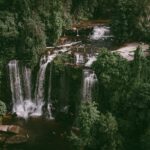
Experience the wonders of ancient Cambodia at Phnom Kulen National Park in Siem Reap.
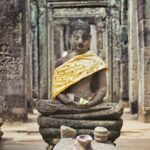
Experience the enigmatic charm of Bayon Temple in Siem Reap, Cambodia.

Ride the Bamboo Train in Battambang for an unforgettable adventure through Cambodia’s scenic countryside.

Discover paradise in Cambodia’s Sihanoukville – where beach dreams come true.