ROAMOPEDIA
Diocletian's Palace
Step back in time and explore the grandeur of Diocletian’s Palace in Split, Croatia.
“Step back in time and explore the grandeur of Diocletian’s Palace in Split, Croatia.”
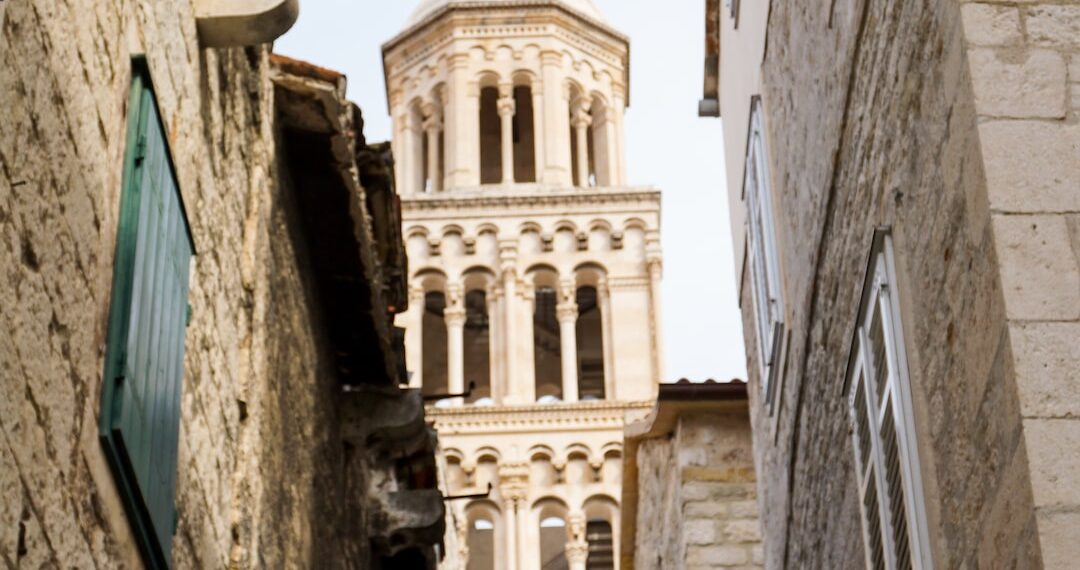
Uncovering the Wonders of Diocletian’s Palace in Split, Croatia

Croatia is a country that is steeped in history and culture, and one of its most impressive landmarks is the ancient Diocletian’s Palace, located in the city of Split. This impressive palace complex was built for Emperor Diocletian in the 4th century, and it is one of the best-preserved examples of Roman architecture in the world.

The palace is a sprawling complex that covers over 30,000 square meters, and it is made up of a series of courtyards, halls, and living quarters. The walls of the palace are made of white marble and limestone, and they are adorned with intricate carvings and decorations that are a testament to the skill of the Roman craftsmen who built them.

One of the most impressive features of the palace is the Peristyle, which is the central courtyard that is surrounded by columns and arches. This was the heart of the palace, and it was where Diocletian would have held court and received guests. Today, the Peristyle is a popular gathering place for tourists and locals alike, and it is a great spot to sit and take in the history and beauty of the palace.

Another highlight of the palace is the Temple of Jupiter, which is located at the northern end of the Peristyle. This temple was dedicated to the Roman god Jupiter, and it is one of the best-preserved examples of Roman religious architecture in the world. The temple is adorned with intricate carvings and decorations, and it is a testament to the religious and cultural importance of the Roman Empire.

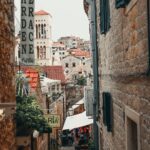
As you wander through the palace, you will come across a number of other impressive halls and courtyards, such as the Vestibule, which is the entrance hall to the palace. This hall is adorned with intricate carvings and decorations, and it is a great spot to take in the grandeur of the palace.

The palace also contains a number of living quarters, which were used by the emperor and his retinue. These quarters are located in the southern part of the palace, and they are a great spot to get a glimpse into what life was like for the emperor and his court. One of the most impressive living quarters is the Diocletian’s Mausoleum, which was built for the emperor’s tomb. Today, the mausoleum has been converted into a Christian cathedral, and it is a great spot to reflect on the history and culture of Split.

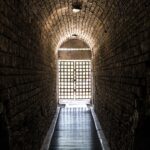
One of the best ways to experience the palace is to take a guided tour, which will provide you with a wealth of information about the history and architecture of the palace. You will also get to see some of the hidden corners of the palace that are not accessible to the general public, such as the underground chambers and tunnels that were used by the emperor’s guards.

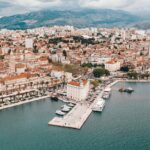
In addition to the palace itself, there are a number of other attractions in the area that are worth visiting. One of the most popular is the Riva, which is a promenade that runs along the waterfront of Split. This is a great spot to take a stroll and enjoy the sea views, and there are also a number of restaurants and cafes where you can stop and enjoy a meal or a drink.

Another popular attraction in the area is the Marjan Hill, which is a nature reserve that offers stunning views of Split and the surrounding area. The hill is covered in pine forests and walking trails, and it is a great spot to escape the hustle and bustle of the city and enjoy some peace and quiet.

Overall, the Diocletian’s Palace is a must-see attraction for anyone visiting Split or Croatia. This impressive complex is a testament to the history and culture of the Roman Empire, and it is a great spot to learn about the past while enjoying the beauty of the present. Whether you are interested in history, architecture, or just want to take a stroll through a beautiful complex, the Diocletian’s Palace is a destination that should not be missed.

  • Print
  • +-
    Font Size